(LOS ANGELES COUNTY, CALIFORNIA) Los Angeles County took direct aim at masked immigration raids this week, voting to move forward with a new local law that would ban most face coverings worn by law enforcement officers, including federal immigration agents, while they are on duty and dealing with the public in the county’s unincorporated areas. The Board of Supervisors voted 4-0 on December 2, 2025, to approve the first reading of an ordinance that would require officers to show their faces and wear visible identification, including their agency name and either their last name or badge number, whenever they interact with the public.
Purpose and focus of the ordinance

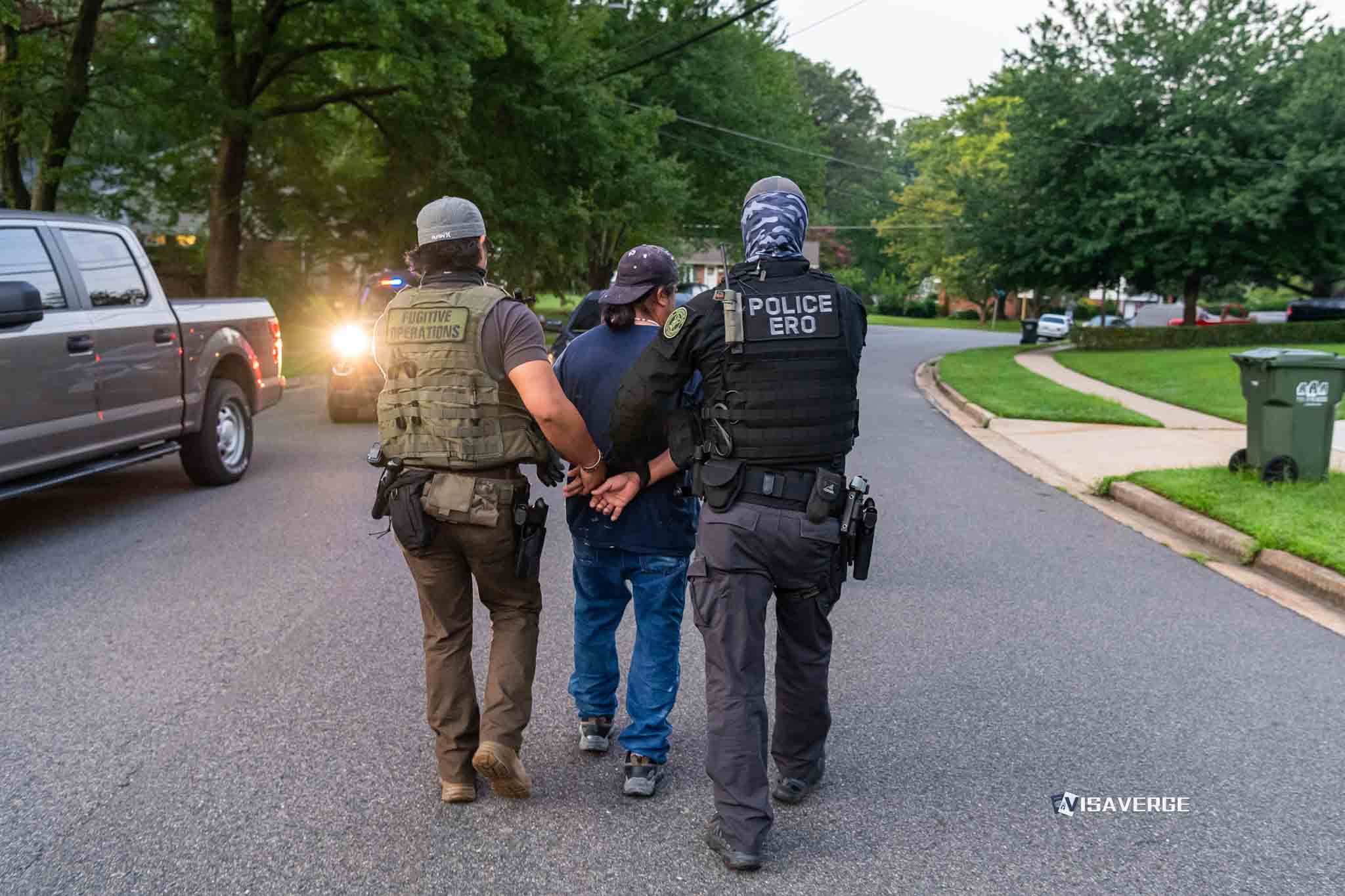
The measure, authored by Supervisor Janice Hahn, is aimed squarely at the way U.S. Immigration and Customs Enforcement (ICE) has carried out operations in neighborhoods outside city limits, where many immigrant families live and work. County officials said they were responding to a pattern of raids in which ICE teams used masks or ski masks and unmarked vehicles, actions that frightened residents and made it hard to know whether people were dealing with real officers or impostors.
Hahn summarized the intent plainly: residents should always be able to see who is arresting, questioning, or searching them.
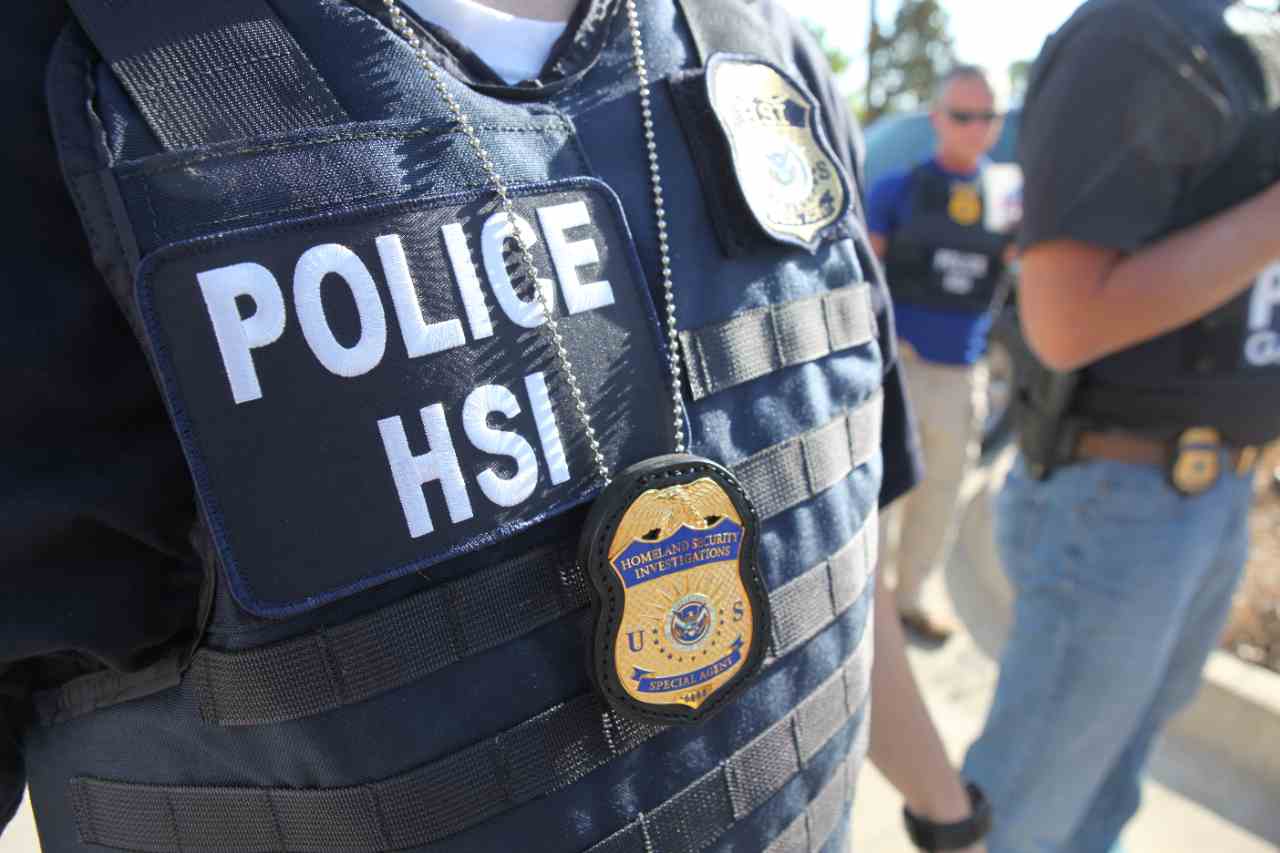
“In Los Angeles County, police do not hide their faces,” Hahn said during the meeting, calling the use of masks by officers “intimidation, plain and simple.” She argued that allowing armed officers to cover their faces during street operations erodes public trust and gives cover to people who might pretend to be police to commit crimes.
Supporters of the ordinance say this risk is especially acute for immigrants, who already fear both deportation and scams targeting people without legal status.
Who would be covered
Under the proposal, all law enforcement officers operating in unincorporated areas of Los Angeles County would be covered. That includes:
- Sheriff’s deputies
- Local police officers
- State officers
- Federal agents such as ICE
The rule would make it illegal for them to wear masks or other facial coverings while on duty and interacting with the public, unless a clear exemption applies. It would not matter whether the contact is part of an immigration raid, a traffic stop, or any other enforcement action: if they are dealing with the public, their faces and identification would have to be visible.
Explicit exemptions
County lawyers included several explicit exemptions to avoid interfering with officer safety or emergency operations. Masks or coverings would still be allowed for:
- Medical reasons, such as doctor-ordered face coverings or breathing devices
- Motorcycle riders wearing helmets
- SWAT team members during tactical operations
- Officers working undercover (no need to reveal identity during those assignments)
- Protection against environmental hazards, such as smoke, chemicals, or other dangerous conditions
Federal response and legal conflict
Even with these exceptions, the proposal has already triggered a sharp dispute with the federal government.
- Tricia McLaughlin, an assistant secretary at the Department of Homeland Security, has argued that the ordinance violates the Supremacy Clause of the U.S. Constitution, which gives federal law priority over state and local rules.
- She has said Los Angeles County cannot dictate how federal officers, including ICE agents, carry out their duties.
- Federal officials are widely expected to sue if the ordinance is finally adopted, setting up a court battle over how far a local government can go in trying to limit the appearance and conduct of federal immigration raids.
County lawyers say they wrote the measure to focus on public safety and transparency, not to restrict immigration enforcement itself. Still, they acknowledge recent ICE operations were the direct trigger for the proposal.
Community concerns and rationale
According to analysis by VisaVerge.com, immigrant advocates in the region have long complained that masked agents in unmarked vehicles create confusion during raids—especially in mixed-status households where some members may be U.S. citizens 🇺🇸 and others may lack legal status. Residents often do not know which agency is at their door and are scared to ask for badge numbers when they cannot see faces.
Hahn and other supporters argue that requiring visible identification will:
- Help communities feel safer reporting crimes
- Encourage cooperation with investigations
- Reduce the chance that residents refuse to open doors or answer questions out of fear
They emphasize the ordinance would not stop ICE or any other agency from enforcing federal law; it would only require that enforcement in most public situations be done without hiding faces.
For general information on federal immigration enforcement, ICE provides guidance and policy material on its official website at U.S. Immigration and Customs Enforcement.
Legislative timeline and next steps
The legislative path for the county rule still has one more formal step.
- The first vote occurred on December 2, 2025, passing with four votes in favor and one abstention from Supervisor Kathryn Barger.
- The Board set a second and final vote for December 9, 2025.
- If the supervisors approve the ordinance again on December 9, it would take effect 30 days later, likely placing the start date in January 2026.
A concise timeline:
| Step | Date | Result/Implication |
|---|---|---|
| First vote (1st reading) | December 2, 2025 | Passed 4-0 (1 abstention) |
| Second and final vote | December 9, 2025 | Scheduled — final approval required |
| Effective date (if approved) | 30 days after final vote | Likely January 2026 |
| Geographic coverage | — | All unincorporated areas of Los Angeles County |
Note: Cities within Los Angeles County (e.g., Los Angeles, Long Beach) would not be covered by this county law and would need separate ordinances if they wished to adopt similar rules.
Key dates: Dec 2 first vote (4-0, 1 abstention), Dec 9 final vote, then 30-day window to take effect (likely Jan 2026). Cities within LA County aren’t covered unless they pass their own rules.
Potential legal consequences and broader implications
The clash highlights a long-running tension between local leaders in Los Angeles County and federal immigration authorities over street-level enforcement tactics. Los Angeles County has for years limited cooperation with certain federal immigration actions while maintaining it will still prosecute serious crimes.
Possible outcomes and impacts include:
- If ICE agents ignore the county rule and continue wearing masks during raids, defense attorneys may argue that arrests made under those conditions undermine due process or public trust.
- If federal courts side with DHS and strike down the ordinance under the Supremacy Clause, local governments nationwide may be deterred from trying to restrict how federal immigration teams operate.
- Either way, the dispute is likely to move from street-level practice into courtrooms after the December 9 vote and any subsequent legal response from Washington.
Who will be most affected
The people most directly affected are residents of the sprawling unincorporated stretches of Los Angeles County—ranging from apartment complexes near industrial zones to rural pockets where farmworkers and mixed-status families share housing. Many have reported law enforcement appearing at doors or in streets with covered faces and unknown badges.
Whether the county’s move will reduce those occurrences or simply shift the battle into legal proceedings will become clearer after the December 9 vote and the expected federal response.
Los Angeles County advanced an ordinance to ban most face coverings by law enforcement in unincorporated areas, requiring visible agency identification and either last name or badge number. Authored by Supervisor Janice Hahn, the measure includes exemptions for medical needs, helmets, SWAT, undercover work and environmental hazards. The Department of Homeland Security argues it conflicts with federal authority, and a legal challenge is expected if the Board approves a final vote on December 9; implementation could begin in January 2026.