- ICE detention in Kentucky county jails more than doubled in just five months.
- Approximately 72% of detainees are classified as non-criminal immigration violators.
- Local facilities face severe capacity pressure and operational strain due to rapid growth.
(KENTUCKY) — The League of Women Voters of Kentucky released an analysis on March 12, 2026, finding that more than 1,000 people sit in ICE custody inside Kentucky county jails, a level that has more than doubled in five months.
The group said the growth in detention inside Kentucky county jails mirrors a broader national rise and is reshaping how local jail systems handle federal detainees alongside their usual populations.
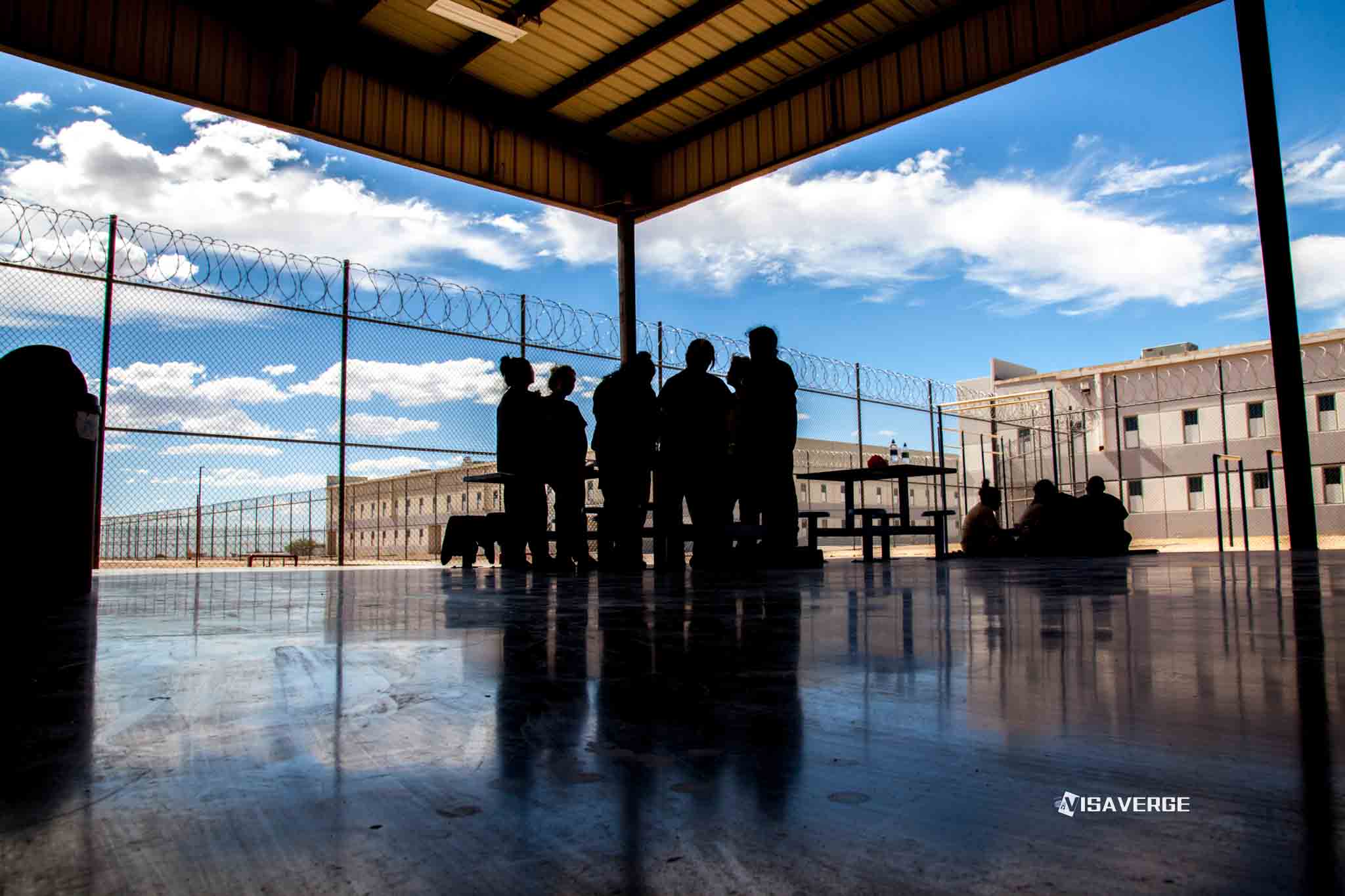
The analysis put new attention on the state’s role in a detention expansion that has pushed facilities, staffing and services in directions many county officials did not plan for, even as federal authorities frame detention as civil custody with required standards.
League of Women Voters of Kentucky researchers said ICE detainees show up in local jails through contracts or intergovernmental service agreements, arrangements that let federal authorities use county bed space when demand rises.
As of February 5, 2026, ICE reported an average daily population of 1,041 detainees held in Kentucky jails, the analysis found.
Only 28% of people held in Kentucky were identified as having a criminal record, while 72% were classified as “non-criminal” or “other immigration violators,” based on the ICE figures cited in the analysis.
The report also highlighted capacity pressure across the jail network, saying five Kentucky jails operated over capacity as ICE detention rose.
Grayson County Jail, one of the facilities cited, was reported to hold 759 people despite having only 717 available beds, though the analysis noted local officials contested the figure and cited fluctuating populations.
Several county facilities carried some of the largest ICE detainee populations in the state, including the Boone County Jail, Hopkins County Jail, Grayson County Jail, the Campbell County Detention Center and the Oldham County Detention Center.
Sheriffs and jail administrators in Kentucky typically manage frequent movement in and out of custody, and ICE detention can add another layer of transfers tied to bed space, court locations and transportation logistics.
Detainees can cycle through county jails as ICE reassigns people to available beds, routes them for hearings, or shifts them for transport needs, making the day-to-day footprint hard to capture in a single snapshot.
Those transfers can affect local operations in ways residents notice, including crowding, staffing needs and medical services inside facilities that already manage high turnover.
Visitation policies and access for attorneys can also change with higher custody levels, particularly when people move quickly between facilities or sit in locations far from family.
Rapid changes also mean a reported jail roster can lag real-time movement, because detainee locations can change quickly as ICE moves people within the detention network.
ICE has not issued a statement focused on the Kentucky analysis, but the agency has offered broad assurances about conditions and care while acknowledging deaths in custody in early 2026 notifications.
In multiple notifications regarding detainee deaths dated March 6, 2026, ICE said, “ICE is committed to ensuring that all those in custody reside in safe, secure and humane environments. Comprehensive medical care is provided from the moment individuals arrive and throughout the entirety of their stay.”
A DHS spokesperson defended a policy requiring seven days’ notice for congressional visits to detention centers on March 3, 2026, calling it a “commonsense measure to ensure the safety of staff, law enforcement, visitors, and detainees alike.”
Acting ICE Director Todd Lyons discussed the use of funds from the “One Big Beautiful Bill Act” during a Senate hearing on February 13, 2026, saying the agency would “fully implement a new detention model by the end of Fiscal Year 2026.”
Official documents released around the time of Lyons’ testimony described the facilities as aiming to “ensure the safe and humane civil detention of aliens in ICE custody, while helping ICE effectuate mass deportations.”
The Kentucky figures emerged as detention nationwide climbed to a record high of over 73,000 people by mid-January 2026, the analysis said.
Federal policy choices helped drive the rise in detention demand, with the analysis pointing to funding, mandatory detention and expanded enforcement operations as forces pushing more people into custody.
The One Big Beautiful Bill Act provided approximately $45 billion in additional funding for ICE detention and enforcement, according to the analysis.
A July 2025 ICE memo mandated detention for all individuals with pending immigration cases who arrived by crossing the border illegally, regardless of asylum claims, the analysis said.
The memo has become the subject of ongoing litigation in the Fifth Circuit, the analysis said.
Enforcement initiatives described as Operation PARRIS and “Operation Metro Surge” shifted focus toward aggressive community arrests and “re-screening” of legal refugees who have not yet obtained green cards, the analysis said.
Those shifts can produce detention demand beyond border apprehensions, because community arrests and re-screening can bring people into ICE custody from homes and workplaces rather than from ports of entry.
Advocates raised due process concerns tied to how quickly people can move through the system and how difficult it can be for families and lawyers to locate detainees.
The analysis said ICE detainees are often omitted from public inmate lists, which can complicate family contact and attorney access when a person disappears from a local community and relatives try to confirm where they are held.
Uncertainty over a detainee’s location can also affect time-sensitive legal steps, including filing habeas corpus claims, because court deadlines and filing decisions can hinge on where a person is detained.
The analysis also described housing and economic ripple effects in immigrant communities, saying mass detentions can contribute to housing insecurity when detained individuals can no longer contribute to household incomes.
The report placed those concerns alongside a broader debate over detention conditions and health care after deaths in custody.
The analysis said 2025 was recorded as the deadliest year for ICE detention, and it said at least six deaths in custody were reported in the first six weeks of 2026.
Kentucky’s growing detention role is also tied to the way county facilities can scale quickly during enforcement surges, especially when multiple jails sit within driving distance of transport routes and court locations.
That scaling can come with operational strain inside jails, including pressure on classification systems that separate populations, added transportation demands and higher volume for medical and mental health services.
The League of Women Voters of Kentucky analysis linked Kentucky’s rising ICE detainee count with a national detention buildup that has pushed more people into county facilities, not only large federal detention centers.
Some local officials have disputed specific bed-and-population figures cited in public discussions, and the analysis referenced that tension in its example from Grayson County.
The report’s emphasis, however, centered on the broader trajectory of growth and what it means when ICE custody expands faster than local systems can add space, staff and services.
ICE and DHS have framed oversight rules and detention management as essential to safety and order, including the seven-day notice policy for congressional visits described by the DHS spokesperson in early March.
At the same time, detainee deaths and medical care remain at the center of scrutiny, with ICE repeating in March that it provides “Comprehensive medical care” throughout a person’s stay in custody.
Readers seeking official data and updates can use ICE’s public ICE Detention Management Statistics page, which provides detention figures that can shift with transfers and daily population changes.
ICE posts statements and press releases on its ICE Newsroom – Press Releases and Statements page, including notifications that carry the agency’s standardized language about detention conditions and medical care.
DHS also publishes broader policy and oversight communications on the DHS Official Website, where agency-wide positions such as congressional-visit rules can appear as officials respond to oversight questions.
Even with those public sources, day-to-day custody figures can move quickly, because detainees can transfer between facilities in response to bed space, court schedules and transport logistics that change from one day to the next.