- Kazakhstan and the EU aim to finalize a visa facilitation agreement by the end of 2026.
- The deal focuses on reducing administrative burdens and lowering application fees for Kazakh citizens.
- Negotiations distinctly exclude immediate visa-free travel, focusing instead on streamlining existing legal procedures.
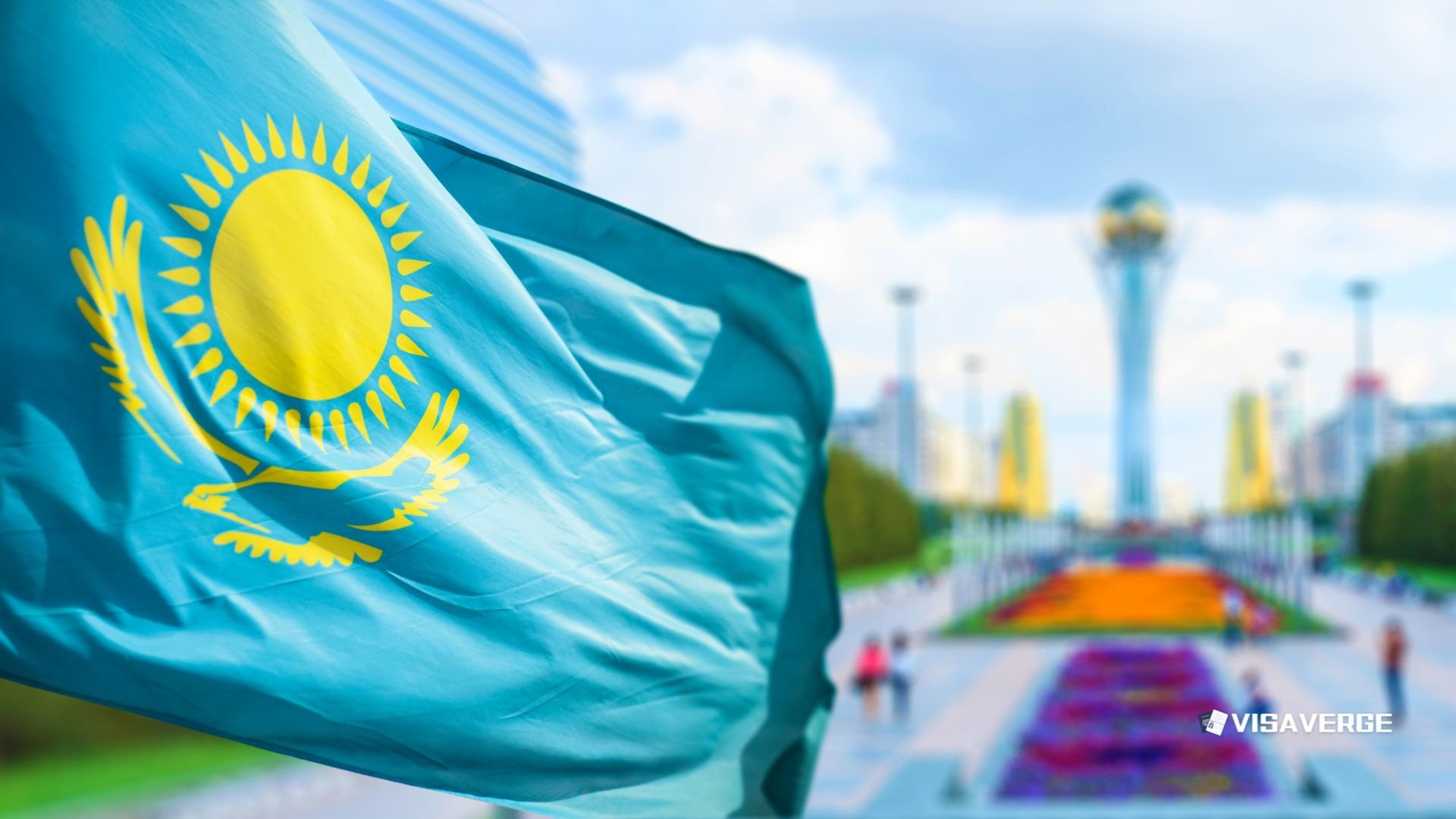
(ASTANA, KAZAKHSTAN) — Kazakhstan and the European Union are moving toward a final agreement on visa facilitation during 2026, Kazakhstan Foreign Minister Yermek Kosherbayev said on March 18, 2026, marking the clearest signal yet that months of talks are edging closer to a deal.
Kosherbayev’s comments pointed to negotiations that are advancing but not yet complete. The discussions concern visa facilitation, not visa-free travel, and both sides are still working through draft agreements.
Talks between Kazakhstan and the EU formally began on December 2, 2025 in Brussels. Since then, negotiators have held two rounds centered on visa facilitation and readmission, laying out a structured bilateral agenda rather than making a political declaration without follow-through.
That process gained momentum in Astana on March 3, 2026, when the second round of negotiations brought both parties together to discuss the key parameters of draft agreements covering visa facilitation and readmission of citizens. Those talks focused on mobility for citizens, stronger people-to-people contacts and a legal framework for cooperation in migration management.
The first round in Brussels was co-chaired by Johannes Luchner, Deputy Director-General of the European Commission’s Directorate-General for Migration and Home Affairs, and Alibek Bakayev, Kazakhstan’s Deputy Minister of Foreign Affairs. Their roles helped define the talks as a formal policy process with identified negotiators and a set agenda.
| India | China | ROW | |
|---|---|---|---|
| EB-1 | Apr 01, 2023 ▲31d | Apr 01, 2023 ▲31d | Current |
| EB-2 | Jul 15, 2014 ▲303d | Sep 01, 2021 | Current |
| EB-3 | Nov 15, 2013 | Jun 15, 2021 ▲45d | Jun 01, 2024 ▲244d |
| F-1 | May 01, 2017 ▲174d | May 01, 2017 ▲174d | May 01, 2017 ▲174d |
| F-2A | Feb 01, 2024 | Feb 01, 2024 | Feb 01, 2024 |
For Kazakhstan, the proposed visa facilitation deal is tied to a practical complaint that officials have raised repeatedly: the weight of the current application process. Kazakh officials have said applicants now may need between 20 and 30 types of documents to obtain a visa for some European countries.
Negotiators are trying to ease that burden. Kazakhstan is seeking to reduce the number of required documents, lower visa application fees and streamline procedures that affect ordinary applicants.
Those aims give the talks immediate relevance beyond diplomacy. A deal on visa facilitation would target the paperwork, cost and administrative friction involved in getting visas, while also fitting into a broader policy framework on mobility and migration cooperation.
European representatives have also signaled that the process is moving in a workable direction. They have expressed confidence in the negotiations, praised Kazakhstan’s constructive and pragmatic approach to migration policy issues and said they are ready to continue at a steady pace.
That language has mattered because it suggests neither side is treating the talks as stalled or symbolic. Both sides say they are on track to finalize an agreement in 2026, though no final text has been announced.
The distinction between visa facilitation and visa-free travel remains central to the discussion. The current negotiations are aimed at making visa procedures easier and cheaper, not at eliminating visa requirements altogether.
Kosherbayev drew that line himself when addressing the broader question of visa-free access. He said the issue remains open for discussion, but added that the sides are “not rushing things right now.”
That phrasing leaves visa-free travel outside the immediate scope of the current push. It also places the present effort in a narrower category, one focused on process and access rather than a full lifting of entry requirements.
In practical terms, visa facilitation usually carries more limited ambitions than visa-free travel. In this case, the stated goals are to reduce the administrative burden on applicants, bring down fees and build a more manageable system for travel documentation between Kazakhstan and the EU.
For people applying now, that could matter as much as the broader politics. Kazakh officials’ reference to between 20 and 30 types of documents for some European countries captures why the issue has become a policy priority in Astana.
The negotiations also tie visa policy to migration management. The draft agreements cover not only visa facilitation but readmission, linking easier legal travel procedures with a framework for cooperation on the return of citizens.
That dual structure helps explain why the talks have proceeded in a formal and methodical way. Brussels and Astana have each hosted a round, and both meetings focused on draft agreements rather than broad statements of intent.
Such sequencing also gives the negotiations a diplomatic weight that goes beyond a technical visa adjustment. This is the first time the EU has opened visa facilitation and readmission talks with a Central Asian country.
That fact places Kazakhstan in new territory in its relationship with the bloc. It also gives the talks a regional dimension, because the opening of this channel could be read as a recognition of Kazakhstan’s standing in the EU’s engagement with Central Asia.
Still, officials have not presented the current process as a shortcut to visa-free entry. The message from both sides has been one of steady progress within defined limits.
Kosherbayev’s March 18, 2026 statement fit that pattern. He pointed to a final agreement on visa facilitation during 2026, while leaving the broader issue of visa-free travel for another day.
European representatives have adopted a similar tone. Their public confidence has been paired with an emphasis on continuing negotiations at a steady pace, suggesting a process that is moving forward without claiming more than the talks currently cover.
That careful framing may help manage expectations. Visa facilitation can produce tangible changes for applicants, but it does not amount to the abolition of visas, and officials have been explicit in keeping that distinction in view.
Kazakhstan’s own earlier policy move forms part of the backdrop. The country unilaterally lifted visa requirements for EU nations in 2017, a step that officials now cite as part of a longer relationship-building process.
That 2017 decision gives the current negotiations added context. It shows that movement on travel rules did not begin with the December 2, 2025 launch in Brussels, but has grown out of a broader effort to deepen ties.
From Astana’s perspective, the current talks appear to build on that earlier opening by seeking reciprocal easing from the EU side, even if the immediate goal is facilitation rather than a visa waiver. The emphasis remains on reducing barriers that applicants face now.
From the EU side, the negotiations bring migration management into the same frame as mobility. The draft agreements discussed in Brussels and Astana pair easier procedures with cooperation on readmission, showing that the talks are designed to balance access with formal obligations.
That balance helps explain why the negotiations have advanced in stages. The first round established the process under named co-chairs, while the second round in Astana moved into the key parameters of draft agreements.
Officials have described the direction of travel in positive terms, but they have stopped short of declaring success before the work is done. The agreement they are targeting remains a goal for 2026, not a completed rule change.
For applicants and families watching the process, the distinction matters. Nothing in the current negotiations has been presented as immediate visa-free entry to the EU for Kazakh citizens.
What is on the table is narrower, but still potentially meaningful: fewer documents, lower fees, simpler procedures and a legal framework for cooperation in migration management. Those changes could alter the visa process even without removing it.
The talks have also become a marker of Kazakhstan’s wider diplomatic engagement with Europe. By reaching the point where both sides speak of a final agreement in 2026, Astana and Brussels have moved the issue from aspiration to active negotiation.
Whether that timetable holds will depend on the remaining rounds of discussion and the ability of both sides to convert draft texts into a final deal. For now, the clearest conclusion is that Kazakhstan and the EU have brought visa facilitation talks closer to the finish line, while leaving visa-free travel as a separate question still waiting its turn.