Key Takeaways
- Kamala Harris pledges marijuana legalization, signaling a shift in federal policy and impacting legislation, economy, and society.
- Legalization could boost the economy, eliminate banking restrictions, and create jobs, but faces regulatory challenges.
- Cannabis policy reform aims to address social justice issues, particularly reducing racial discrepancies in marijuana-related arrests.
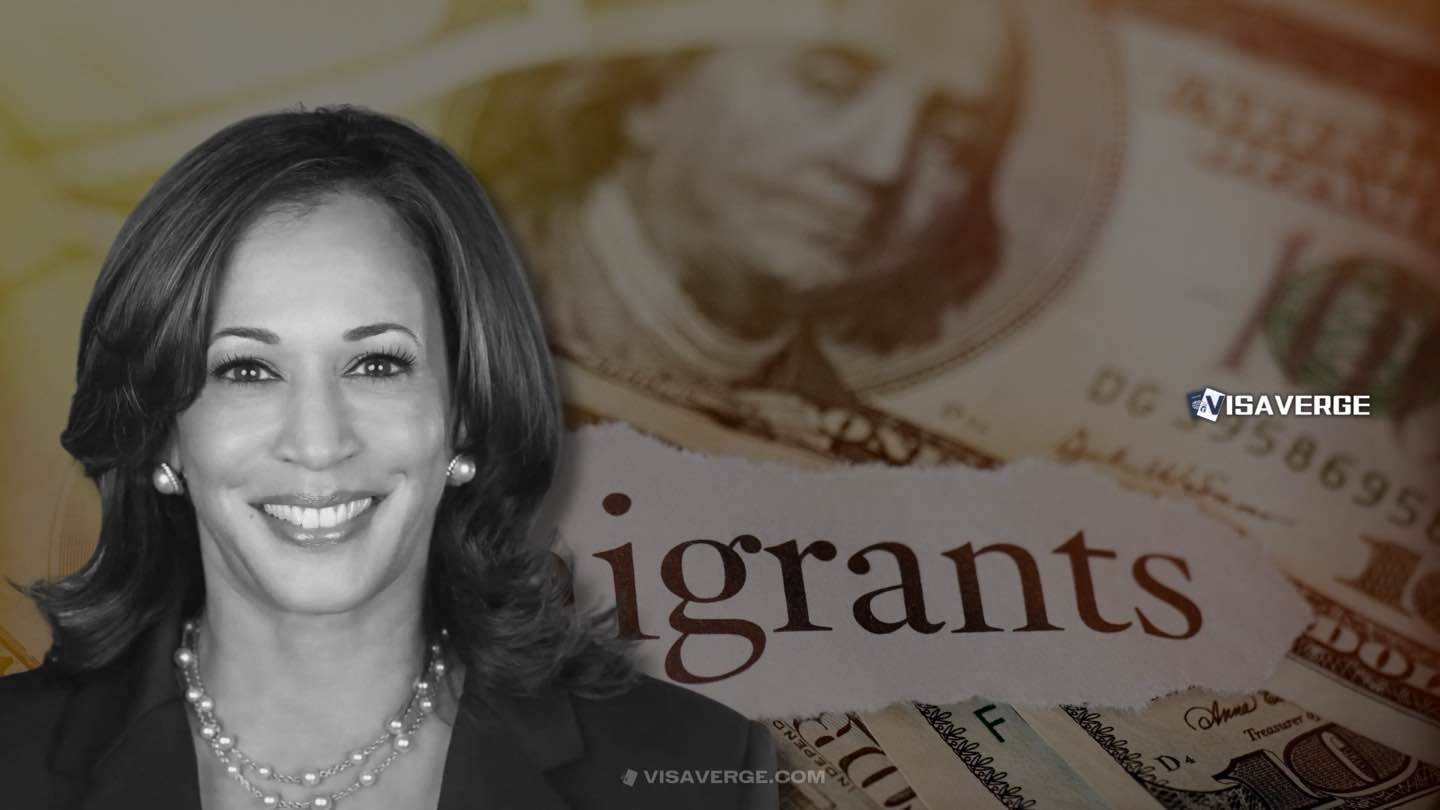
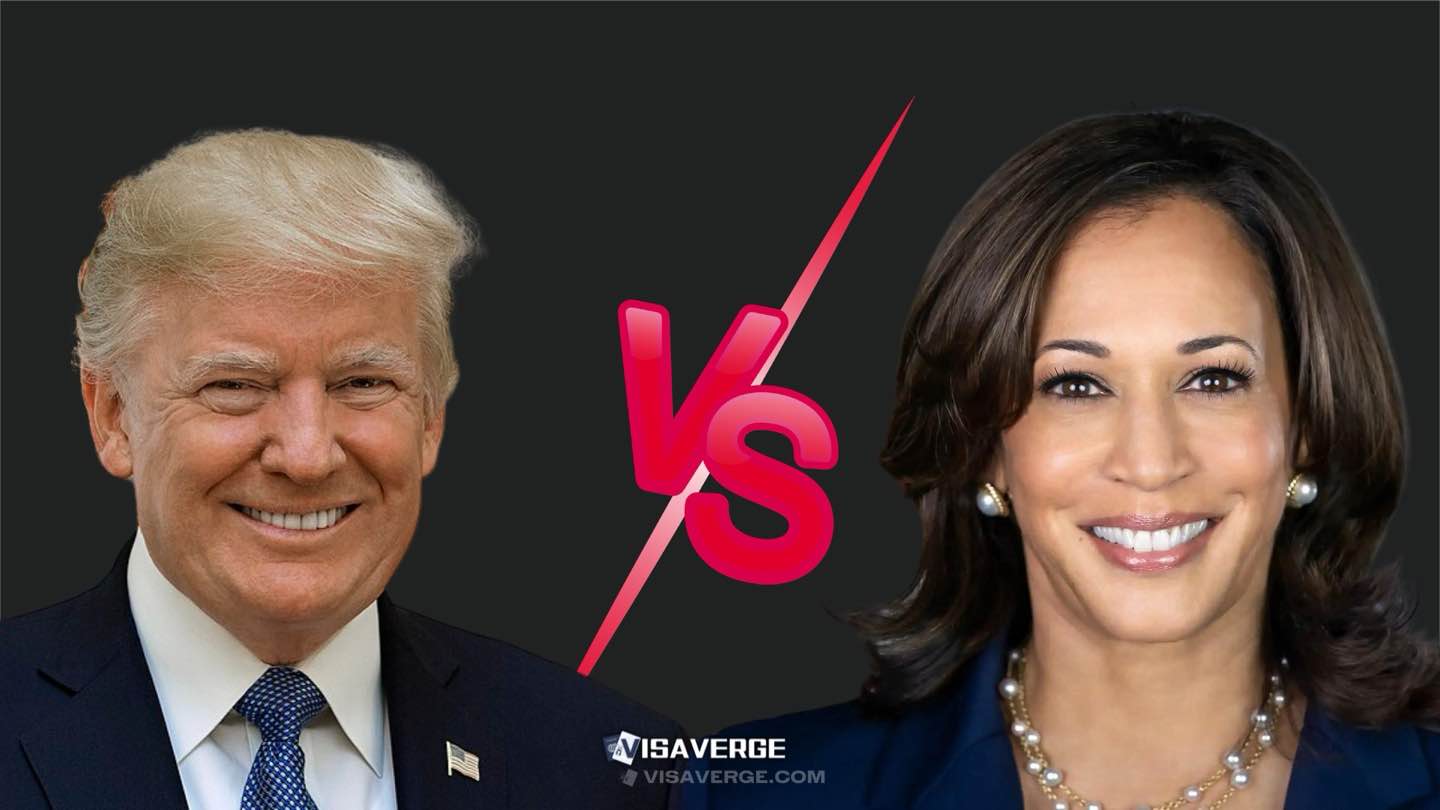
Vice President Kamala Harris has made headlines with her promise to fully legalize marijuana if she becomes President. This pledge signifies a noteworthy shift in the U.S. federal stance on cannabis and has set the stage for conversations on its potential impacts across various sectors. Let’s dive into the background and expected outcomes of this initiative, considering legislative changes, economic prospects, and societal effects.
Legislative Context and Landscape

Federal Moves
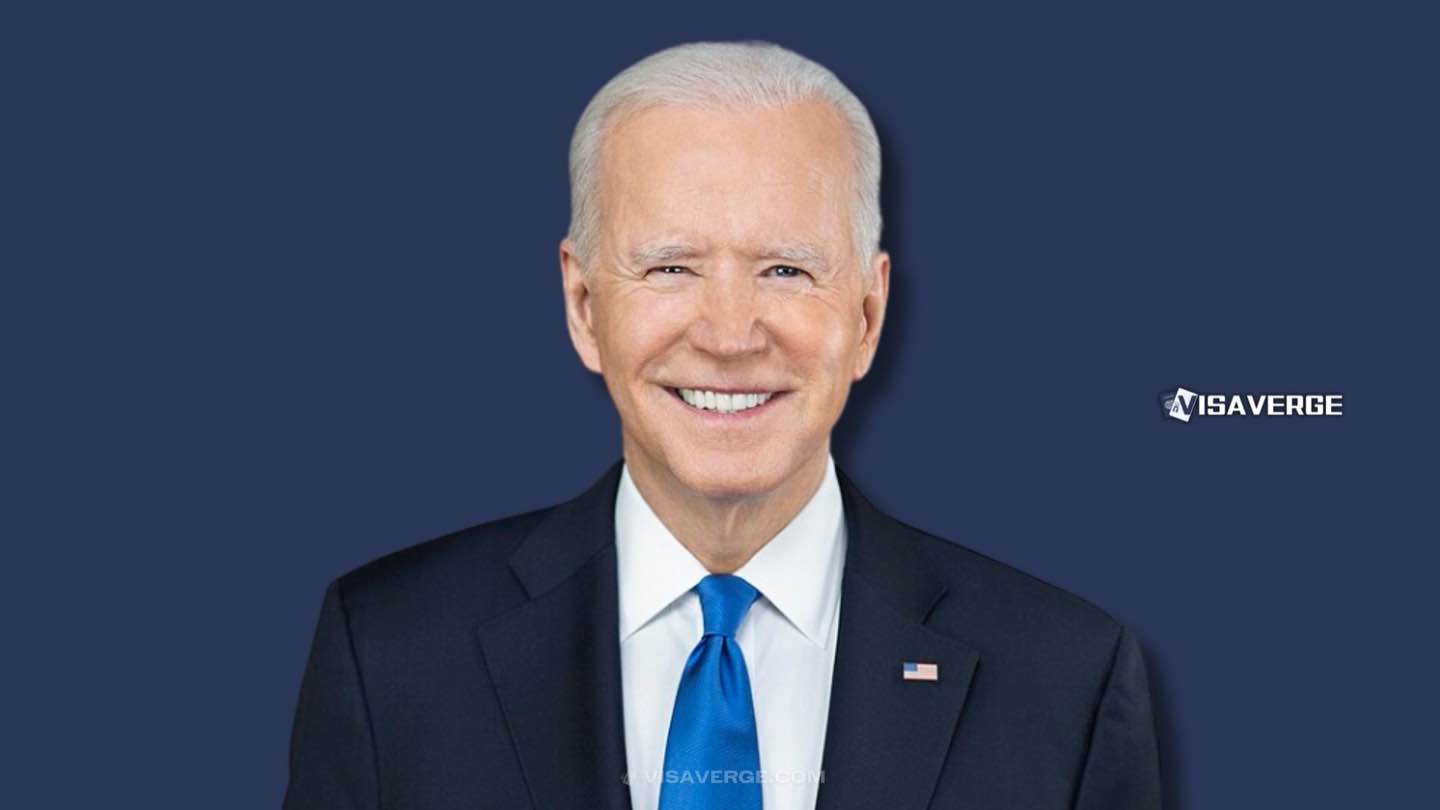
Kamala Harris’s plan to legalize marijuana at the national level reflects a more advanced position compared to the current administration. Presently, President Joe Biden has shown intentions to ease marijuana punishment by reclassifying the substance to a less harmful category and issuing pardons for some offenses related to marijuana. However, full legalization remains beyond his current agenda. Harris looks to make cannabis legalization a reality by breaking down legal barriers that predominantly affect Black Americans, as reported by VisaVerge.com.
State-Level Progress
By 2024, recreational marijuana use is legal in 24 states and Washington, D.C., whereas medical marijuana is lawful in 38 states. New York, for instance, has witnessed economic gains, including job creation and increased tax revenue from legal marijuana markets. Despite this, the legislative scene is mixed, with some states still opposed or maintaining tight regulations.
Economic Impacts
Tax and Employment Benefits
Marijuana legalization promises major economic benefits. In the past year alone, states earned over $4 billion in taxes from the marijuana industry. Fully legal markets might push economic output even higher, as seen in New York where predictions suggest a $4.1 billion output and over 30,000 jobs created.
Industry Growth
Federal legalization could spark a boom in the cannabis industry by erasing banking limitations and enabling interstate commerce. These changes could pull in large investments and promote industry innovation. However, the industry would face challenges such as heightened competition and complex regulations.
Social Effects
Criminal Justice Reform
A key driver behind Harris’s proposal is the push for criminal justice reform. Current marijuana laws have hit Black communities hard, with Black individuals arrested for marijuana-related offenses at rates four times higher than white individuals. Legalization could lead to the clearing of past convictions and lower incarceration rates, aligning with larger criminal justice reform efforts.
Public Health
Though legalization might improve access to regulated cannabis and reduce black-market dealings, it also raises public health concerns. Critics fear more availability might mean higher usage and associated health risks. However, supporters say regulation could improve safety by ensuring product quality and limiting exposure to dangerous substances.
Public Support and Political Views
Public Opinion
Support for marijuana legalization is high in the U.S., with a 2024 Pew Research Center survey showing 88% of Americans in favor of legalizing marijuana for medical or recreational use. This strong backing indicates that Harris’s proposal is in tune with public sentiment and could gain notable voter support.
Political Reactions
Harris’s announcement has drawn varied responses from political figures. Generally, Democrats back legalization due to its potential economic perks and alignment with social justice. Republicans are more split, with some expressing worry about community safety and increased drug usage. Former President Donald Trump has shown some support for state-led initiatives but remains cautious about federal legalization.
International Comparisons
Looking at other countries can shed light on potential outcomes for the U.S. Canada, for example, has successfully rolled out nationwide cannabis legalization, resulting in controlled markets contributing significantly to the economy. These examples highlight the opportunities and hurdles of moving from prohibition to regulation.
Conclusion
Kamala Harris’s commitment to fully legalizing marijuana could represent a major policy change in the United States. This initiative holds potential for economic growth through increased tax revenues and job creation, while also tackling social justice issues by reforming outdated criminal laws. But achieving this goal requires careful handling of regulations and cooperation across political lines. As public support continues to rise, this effort stands to alter America’s approach to cannabis policy, possibly setting a new standard for future administrations.
For more information on current marijuana policies and reform efforts, you can visit the official webpage of the U.S. Department of Justice.
Learn Today
Legalization: The process of making an act, such as cannabis use, permissible by law throughout a jurisdiction.
Reclassification: Changing the legal status or category of a substance to indicate a shift in its perceived risk or harm.
Interstate Commerce: Economic activity involving the exchange of goods or services across state borders, potentially influenced by federal policies.
Criminal Justice Reform: Efforts to change policies and laws to ensure fair treatment, often aiming to reduce discriminatory practices and over-incarceration.
Public Sentiment: The general opinion or feeling of the public towards a particular issue, influencing political and social outcomes.
This Article in a Nutshell
Kamala Harris’s promise to fully legalize marijuana could redefine U.S. policy, enabling economic growth and social justice. By erasing legal barriers impacting Black communities and boosting tax revenue, her initiative taps into high public support. Yet, political consensus is crucial. This shift may set a precedent for future administrations.
— By VisaVerge.com
Read more:
• Kamala Harris Proposes Stricter Asylum Policies at U.S.-Mexico Border
• Kamala Harris Criticized by Ex-Border Patrol Chief on Immigration
• Kamala Harris’s Potential Presidential Run and Immigration Impact
• Kamala Harris’s Immigration Policy in 2024 Spotlight
• Kamala Harris’s Short-term and Long-term Immigration Strategies