Key Takeaways
01
A California court ruling highlights conflicts between federal immigration laws and state-legal cannabis industries, impacting H-1B visa petitions.
02
Judge Seeborg ruled software support for state-legal cannabis doesn’t violate federal law, influencing immigration policy and visa approvals.
03
The case emphasizes the need for clearer federal guidelines on immigration’s interaction with state-legal cannabis businesses.
A landmark ruling from a California court has sparked renewed discussion on the complex overlap of federal immigration laws and state-legal cannabis industries. On December 3, 2024, a pivotal legal decision by Chief U.S. District Judge Richard Seeborg in the Northern District of California favored Treez Inc., a company offering software solutions to state-legal cannabis enterprises. This case underscores the intricate challenges faced by businesses caught between conflicting federal and state laws.
Understanding the Case
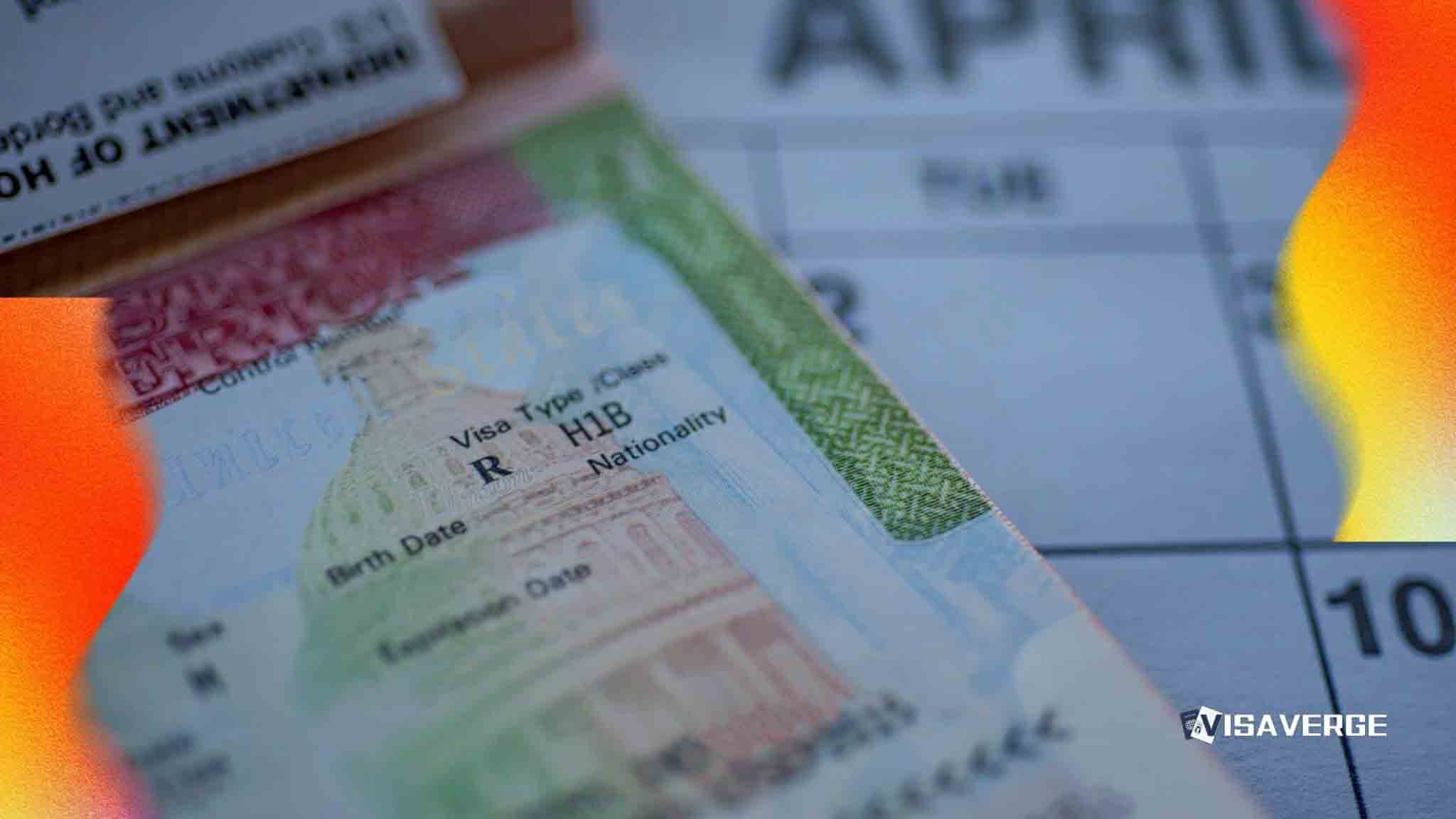
Treez Inc., a California 🇺🇸-based tech firm, crafts software tools, like point-of-sale and inventory management systems, primarily for cannabis dispensaries operating under state law. At the heart of this legal issue was Ameya Vinayak Pethe, a talented software engineer from India who was initially given H-1B visa status in January 2022 for work in Missouri. Trouble arose when Treez attempted to alter his visa for a move to Pennsylvania, with the U.S. Citizenship and Immigration Services (USCIS) rejecting the request in October 2022.
USCIS cited an “illegality rule,” claiming Pethe’s work indirectly supported activities contravening the Controlled Substances Act (CSA). This marked a noticeable shift from previous approvals of Treez’s petitions and those of other companies servicing state-legal cannabis firms. Such stands manifest the broader challenges facing industries operating within the legal gray areas formed by opposing federal and state cannabis regulations.
Legal Arguments and Judge Seeborg’s Decision
Treez contested the USCIS’s decision on multiple grounds:
- They argued that USCIS lacked legal standing to assess the federal legality of an employer’s operations.
- USCIS purportedly created a new rule without following necessary procedures as laid out by the Administrative Procedure Act (APA).
- The denial seemed arbitrary, given previous USCIS approvals for similar cases.
While Judge Seeborg found the first argument lacking, he recognized the procedural violations under the APA as a significant concern. However, his decision ultimately hinged on the third argument, pointing out that Pethe’s role as a software engineer was detached from any direct breach of federal law.
Judge Seeborg concluded that providing software support to state-legal cannabis dispensaries doesn’t equate to “aiding and abetting” under the CSA. Pethe’s work was separate from activities such as cultivating or distributing cannabis, and thus, did not warrant the visa application’s rejection.
Broader Implications of the Ruling
This ruling has wide-reaching implications for both immigration policy and businesses associated with the state-legal cannabis sector.
- Federal vs. State Discrepancies Over Cannabis: This case amplifies persistent conflicts between federal marijuana bans and state legalization. Companies like Treez, which operate strictly within state-legal frameworks, often find themselves in precarious positions when dealing with federal bodies.
USCIS’s use of the CSA to deny H-1B visas for employees of such companies reflects a broader challenge faced by service providers, including software companies and financial institutions, when navigating these legal discrepancies.
-
Precedent for H-1B Visa Approvals: The ruling by Judge Seeborg sets an important precedent for H-1B visa petitions involving employees of businesses related to state-legal cannabis operations. It reinforces that roles not directly involved in federally prohibited activities should not be grounds for visa denials.
This decision may embolden other businesses in similar positions to question unfavorable USCIS decisions, potentially leading to broader changes in how immigration authorities interpret their roles concerning state-legal cannabis industries.
-
Regulatory Inconsistency: The case also highlights issues of inconsistency within USCIS procedures. Treez had received approvals for several H-1B petitions under comparable circumstances from 2016 to 2021. The abrupt change in agency policy, without clear explanations, raises questions about transparency and accountability in immigration enforcement.
Treez’s legal representatives argued that such inconsistency undermines predictability for employers who rely on skilled foreign workers, especially in burgeoning sectors like cannabis technology.
Impact on the Industry
For Treez Inc. and other companies supporting state-legal cannabis operations, this case’s outcome is viewed as victory. Advocates in the industry have long argued that service providers working with legal state entities should not face penalties from federal agencies.
Treez’s CEO, John Yang, expressed relief over the court’s recognition of the company’s rights to provide lawful technology services without being unfairly targeted. He reaffirmed the corporation’s commitment to supporting its workforce and fostering innovation within the legal cannabis sector.
Nonetheless, hurdles remain. Specific components of the case, such as potential sanctions against USCIS for ignoring court orders, have been referred to a magistrate judge for further review. Furthermore, outstanding motions related to these proceedings could affect future outcomes.
Conclusion
The ruling supporting Treez Inc. represents a significant milestone in the landscape where immigration law meets cannabis policy in the United States. It emphasizes the demand for clearer directions from federal entities on their interaction with businesses operating under state-legal yet federally banned frameworks.
As more states embrace the legalization of marijuana, and associated industries continue to flourish, such cases are likely to increase, prompting additional scrutiny of federal policies that do not align with the evolving legal environments at the state level. For now, Judge Seeborg’s decision offers hope to companies maneuvering these challenges and reinforces the principle that immigration decisions should be consistent and fair, rather than subject to arbitrary interpretations of federal law.
This case may also inspire other businesses facing similar hurdles to challenge USCIS decisions, potentially influencing how immigration authorities adapt to the growing overlap of state laws and federal immigration policies. For more details about the dynamics of H-1B visa classifications and process adjustments, you can visit the official USCIS website.
Analysis from VisaVerge.com suggests that such legal battles exemplify the ongoing evolution of how immigration policies intersect with rapidly changing legal and social landscapes. As the cannabis industry’s legal recognition expands, so too, must the frameworks guiding immigrant work eligibility, ensuring they are fair and transparent in these advancing times.
Learn Today
H-1B Visa: A non-immigrant visa allowing U.S. companies to employ foreign workers in specialty occupations.
Controlled Substances Act (CSA): U.S. law regulating the manufacture and distribution of drugs considered controlled substances.
Administrative Procedure Act (APA): A law governing the process by which federal agencies develop and issue regulations, ensuring legal procedures.
Aiding and Abetting: Legal doctrine holding someone accountable for assisting another person in committing a crime.
Federal vs. State Discrepancies: Conflicts arising when state laws legalize activities prohibited by federal law, such as cannabis use.
This Article in a Nutshell
A recent ruling from California highlights the clash between federal immigration laws and state-legal cannabis industries. Judge Seeborg favored Treez Inc., rejecting USCIS’s denial of an H-1B visa. This decision sets a precedent for similar cases, urging fair processing for roles indirectly associated with state-legal, federally-banned activities.
— By VisaVerge.com
Read more:
• Federal Judge Overturns Keeping Families Together Program
• Judge J. Campbell Barker Strikes Down Biden Migrant Spouse Program
• Texas Judge Blocks Biden’s Immigration Policy for Undocumented Spouses
• Judge Orders End to ICE Arrests at Homes in Southern California
• Anita Kumari Gupta Faces Delhi High Court Contempt for Abusing Judge
Read more:
• Federal Judge Overturns Keeping Families Together Program
• Judge J. Campbell Barker Strikes Down Biden Migrant Spouse Program
• Texas Judge Blocks Biden’s Immigration Policy for Undocumented Spouses
• Judge Orders End to ICE Arrests at Homes in Southern California
• Anita Kumari Gupta Faces Delhi High Court Contempt for Abusing Judge