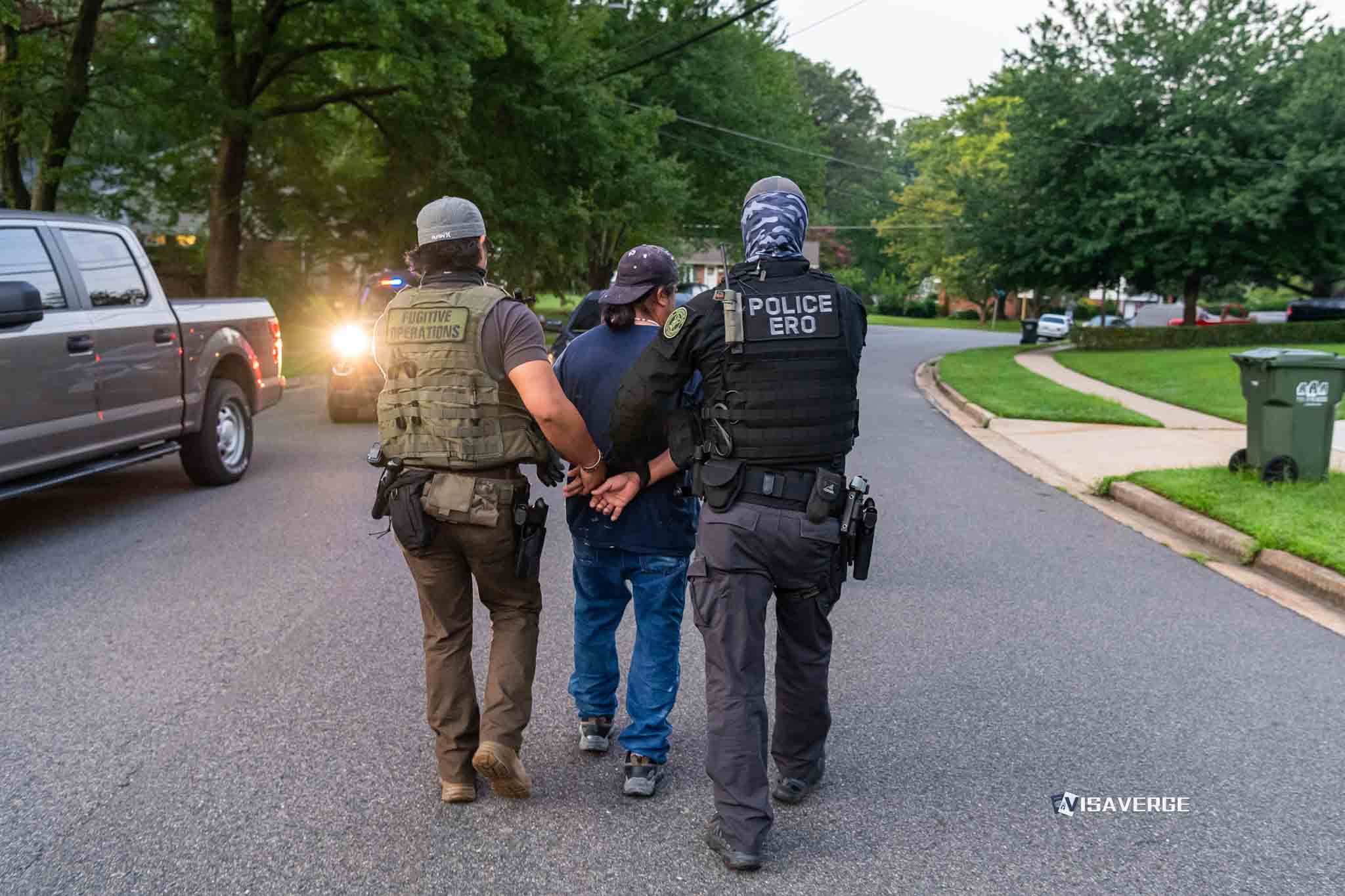
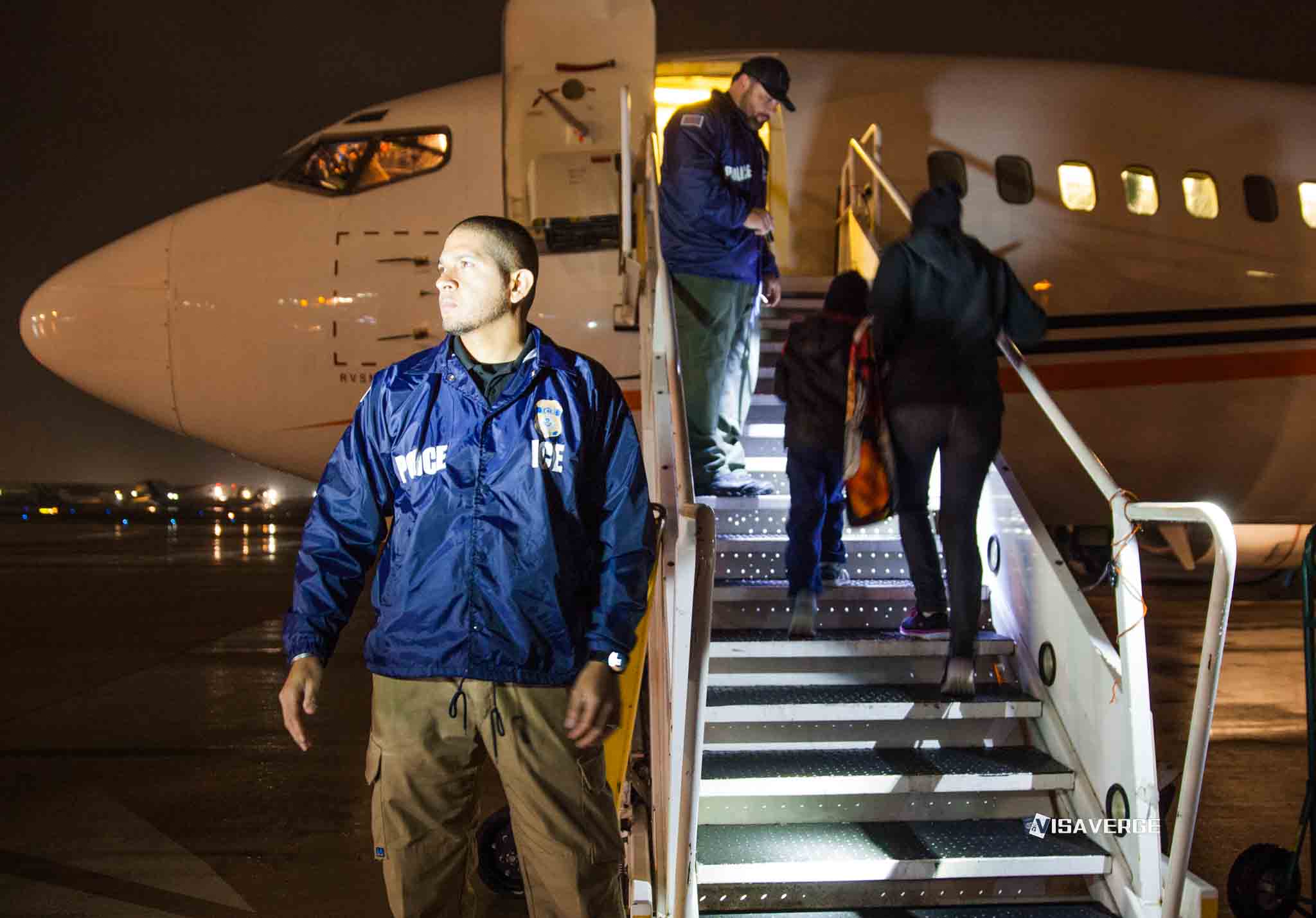
(CHICAGO) U.S. District Judge Sara Ellis will question senior Immigration and Customs Enforcement (ICE) and Customs and Border Protection (CBP) officials on Monday over tactics used during Operation Midway Blitz in Chicago. The focus will be on use of force, tear gas, and whether agents followed her orders regarding body-worn cameras.
The hearing is set for 10:30 a.m. on Monday, October 20, 2025, at the Dirksen Federal Courthouse. It will test both the necessity and the legality of these immigration enforcement actions in the United States 🇺🇸.
Judge Ellis’ Camera Order and Compliance Questions
Judge Ellis has already modified a temporary restraining order to require that all agents working under Operation Midway Blitz who have body cameras must turn them on during enforcement activities. She has said she’s not satisfied with compliance so far.
DHS attorneys have pointed to an ongoing government shutdown and uneven camera distribution to explain recording gaps. The judge has signaled those explanations may not excuse missed recordings in Chicago’s busy field operations.
Key questions: Were cameras active when force was used? Which teams had cameras assigned and trained? What supervisory steps followed any lapses?
For official background on federal guidance, see the Department of Homeland Security’s body-worn camera information: https://www.dhs.gov/body-worn-cameras.
Court Orders Under Scrutiny
The judge’s questioning will zero in on several specific incidents and broader compliance issues:
- Use of tear gas on Chicago’s South Side — Judge Ellis previously restricted tear gas against peaceful crowds without warning. She will ask whether that standard was respected.
- A PIT maneuver involving Venezuelan nationals — The court will examine whether the vehicle intervention was necessary, followed agency training, and complied with standing orders.
- Body-worn camera activation — Which agents had cameras, whether they were turned on, and why recordings are missing.
Expected witnesses include:
– CBP Deputy Incident Commander Kyle C. Harvick
– ICE Deputy Field Office Director Shawn Byers
– ICE Field Director Russell Hott (ordered to appear)
Their testimony should clarify:
– Which teams deployed force and who approved those actions
– What warnings were given to crowds or individuals
– Whether body cameras were recording during critical moments
What’s at Stake for Chicago’s Immigrant Communities
Community leaders, immigrant families, and advocates are closely watching the hearing. They warn that unannounced raids, chase tactics, and crowd-control tools can create broader fear—leading people to:
- Skip court dates
- Avoid medical care
- Keep children home from school
If the court finds improper force or noncompliance with camera rules, trust between federal officers and residents could erode further, especially in mixed-status neighborhoods.
Potential Consequences for Agencies and Officers
For frontline officers and agency leadership, the hearing carries significant operational and legal stakes:
- A finding that ICE or CBP disobeyed court orders could lead to contempt of court, with fines or even jail time for responsible officials.
- Contempt findings, though rare, can trigger:
- Internal audits
- Policy updates
- Tighter supervisory and reporting requirements
- Changes in training and documentation practices
The Role of Body Cameras
When activated as ordered, body-worn cameras can answer critical questions:
– Was a warning given before tear gas deployment?
– Did officers identify themselves clearly?
– Did drivers receive a safe opportunity to stop before a PIT maneuver?
Video evidence benefits both sides by supporting lawful actions and identifying mistakes that need correction. It also provides courts and oversight bodies a shared factual record when accounts conflict.
Focus on Specific Investigations
Judge Ellis appears likely to press DHS and agency lawyers for specifics beyond broad explanations about the shutdown:
She may request details such as:
1. Which agents were assigned cameras.
2. Who trained those agents and when.
3. When devices were issued.
4. How many cameras failed to activate during operations.
5. What supervisory actions followed any discovered lapses.
On the PIT maneuver involving Venezuelan nationals, the court will probe:
– Timing and immediate threat level
– Whether agency rules were followed
– Whether less risky alternatives existed
– Whether the occupants posed an imminent danger or were fleeing for non-violent reasons
Local Preparations and Community Impact
Chicago officials and local legal aid groups are preparing by:
– Gathering resident statements
– Reviewing available footage
– Documenting gaps created by missing camera recordings
Community attorneys say the judge’s camera order is a practical tool to:
– Reduce disputes over fact
– Encourage best practices
– Improve training where needed
If the hearing confirms broad gaps in compliance, the court could tighten rules further.
Broader Implications: National Guard Appeal and Public Safety
Judge Ellis is also weighing the federal government’s appeal of her earlier decision blocking National Guard deployment in the area. While that appeal proceeds, her block remains in place.
Monday’s testimony will likely:
– Build the record for that appeal
– Show whether federal agencies can manage public safety under court limits without military support
– Assess whether existing tools suffice to protect both public safety and peaceful assembly
Practical Effects for Service Providers and Residents
For employers, schools, and clinics serving immigrant communities, the hearing’s outcome may shape daily operations:
- Clear rules on force and recording can reduce sudden disruptions and street closures
- Mandatory camera usage can enable supervisors to coach de-escalation tactics
- Recorded evidence allows violations to be addressed based on objective facts rather than differing accounts
Closing Notes
To many Chicago families, this is a direct matter of safety and fairness: a traffic stop, a street search, or the ability to speak without fear. Monday’s hearing on Operation Midway Blitz will not resolve national immigration policy, but it will strongly influence how federal teams operate in Chicago—how they use force and whether body cameras are treated as a fundamental safeguard rather than an afterthought.
This Article in a Nutshell
On October 20, 2025, U.S. District Judge Sara Ellis will question senior ICE and CBP officials about tactics used during Operation Midway Blitz in Chicago, focusing on use of force, tear gas deployment, a PIT maneuver involving Venezuelan nationals, and compliance with her order requiring activation of body-worn cameras. DHS attorneys have attributed recording gaps to a government shutdown and uneven distribution of cameras, but the judge has expressed dissatisfaction with compliance. Testimony from CBP and ICE leaders could clarify who authorized force, whether warnings were given, and whether cameras recorded key moments. Possible consequences include contempt findings, fines, internal audits, policy updates, and tightened supervisory requirements. The hearing is closely watched by immigrant communities and service providers because its outcome will affect trust, operational practices, and safety in mixed-status neighborhoods across Chicago.