- A federal judge dismissed felony assault charges against Miguel Angel Garcia Martinez on March 10, 2026.
- Conflicting video evidence contradicted federal agents’ claims that Martinez used his vehicle as a weapon.
- The case was part of Operation Charlotte’s Web, a controversial immigration enforcement surge in North Carolina.
(CHARLOTTE, NORTH CAROLINA) — A federal judge dismissed the felony assault case on March 10, 2026, against Miguel Angel Garcia Martinez, a 24-year-old U.S. citizen accused of assaulting Border Patrol agents during an immigration enforcement surge in Charlotte, North Carolina.
The dismissal ended a prosecution that federal authorities had tied to “Operation Charlotte’s Web,” a high-profile effort involving hundreds of U.S. Customs and Border Protection and ICE agents in the Carolinas.

U.S. Attorney Russ Ferguson filed a motion to dismiss on March 9. A spokesperson for the U.S. Attorney’s Office for the Western District of North Carolina said on March 10: “Where it is just and proper to dismiss a case, we won’t hesitate to do so.”
The outcome is a notable reversal for federal enforcement messaging that has highlighted officer safety during street-level operations, even as courts and defense lawyers have increasingly scrutinized how agents describe fast-moving encounters.
DHS Secretary Kristi Noem defended the underlying operation and its agents in a general statement on February 13, 2026, saying: “Our ICE officers and CBP officers are facing a 1,300% increase in assaults against them. and an 8,000% increase in death threats. If you lay a hand on a law enforcement officer, be certain we will come after you with the full weight of the law.”
DHS responded to litigation over the Charlotte surge with a broader political attack. In response to a class-action lawsuit filed by the ACLU on February 24, 2026, a DHS spokesperson said: “The ACLU who filed the lawsuit only cares about illegal immigrants and not Americans. The allegations that immigration agents racially profile are disgusting.”
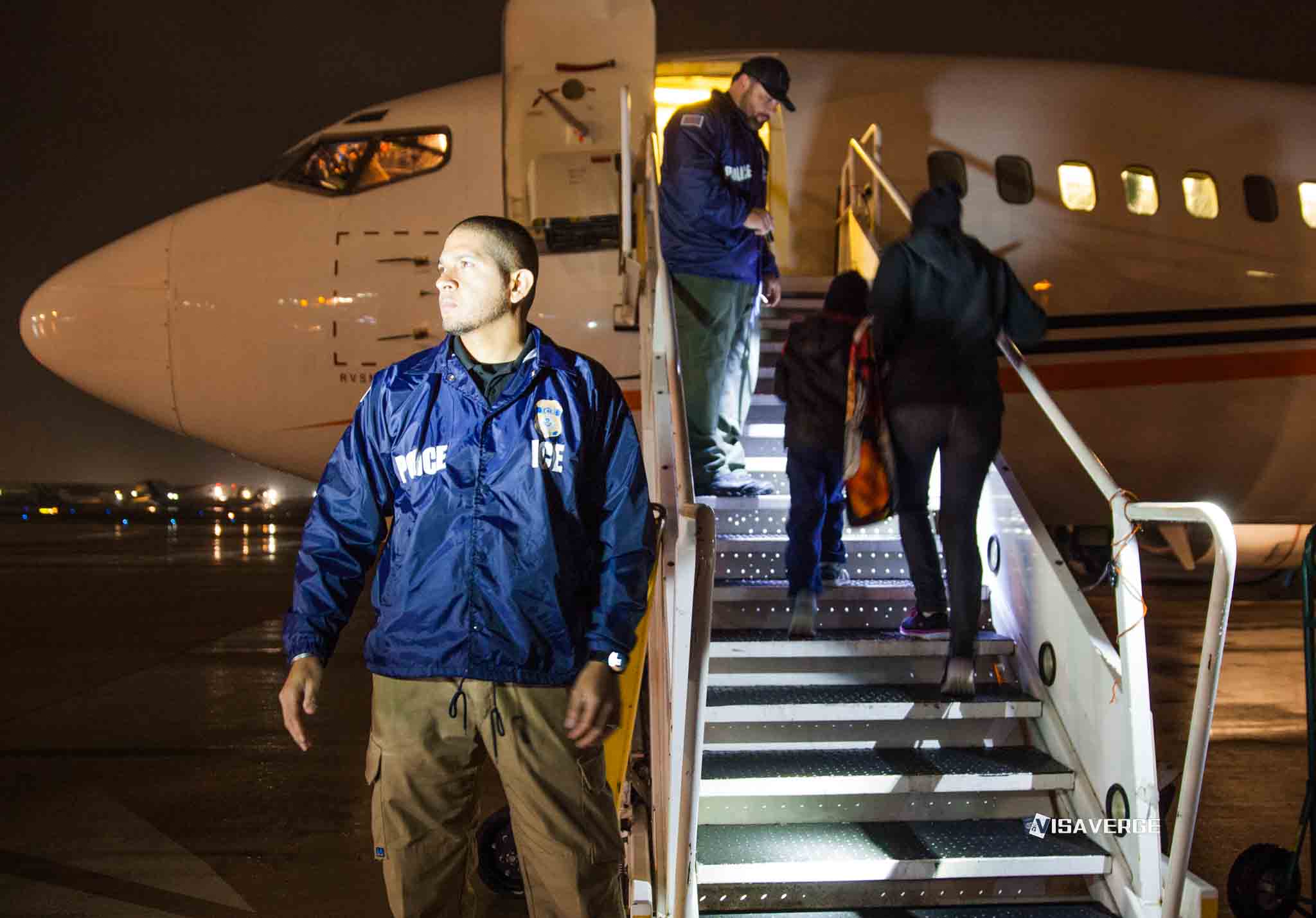
The criminal case grew out of an encounter on November 16, 2025, during “Operation Charlotte’s Web.” Federal authorities initially claimed Garcia Martinez “weaponized his vehicle” by ramming a government SUV occupied by four agents after he was spotted photographing their operations for social media.
Later reporting described video evidence that contradicted parts of that narrative. The video showed Garcia Martinez attempting to drive away from unmarked vehicles, and it captured agents—not the defendant—expressing intent to “box him in” and strike his van.
A magistrate judge dismissed the most serious charge on Nov. 26, 2025, throwing out an allegation that the vehicle was used as a deadly weapon after finding a lack of probable cause. The case then continued on a narrowed track.
A federal grand jury indicted Garcia Martinez on Jan. 22, 2026, on a reduced felony charge of “assaulting, resisting, or impeding federal officers,” an announcement the U.S. Attorney’s Office posted at Federal grand jury indicts Charlotte man felony assaulting federal officers. Prosecutors ultimately asked to dismiss the remaining charge, and the judge did so on March 10.
Cases like Garcia Martinez’s typically rely on 18 U.S.C. § 111, a federal assault statute that prosecutors use when they allege someone assaulted or resisted federal officers. Charging decisions under that law can carry steep consequences and often turn on disputed, moment-by-moment judgments about intent and threats.
The dismissal marked the collapse of one of the flagship criminal cases associated with “Operation Charlotte’s Web,” and it followed a pattern of similar dismissals in other cities, including Minneapolis and Portland. In those cases, “Section 111” assault charges against citizens and protesters were dropped after video evidence contradicted sworn statements by federal agents.
Garcia Martinez, described as a naturalized citizen and father of two, was released after facing up to eight years in prison. The prosecution centered on an encounter involving Border Patrol agents operating in Charlotte, North Carolina, during the surge.
The criminal case also ran alongside civil claims and broader legal challenges to the operation itself. On March 3, 2026, Garcia Martinez and another citizen, Willy Wender Aceituno, filed federal damages claims under the Federal Tort Claims Act against DHS, citing false arrest and excessive force, including allegations that agents shattered car windows and pulled them to the ground despite proof of citizenship.
The class-action lawsuit filed Feb. 24, 2026, challenged the legality of “Operation Charlotte’s Web,” alleging DHS agents made warrantless arrests of U.S. citizens and lawful residents without the “probable cause of removability” required by federal law. DHS has directed general statements about the operation to its newsroom, while court disputes have played out in filings and orders tied to individual cases.
A summary of the Nov. 26, 2025, ruling appeared in a publicly available case entry at FindLaw’s Miguel Angel Garcia Martinez page. The ruling, the later indictment, and the final dismissal formed the key turning points that shifted a case once framed as an assault on federal agents into a prosecution that ended without a conviction.
Updates in federal criminal cases typically appear through written orders and docket entries, while agency positions often surface through press statements. Civil claims and criminal proceedings move on separate tracks, and records from each can emerge on different timelines as disputes continue.