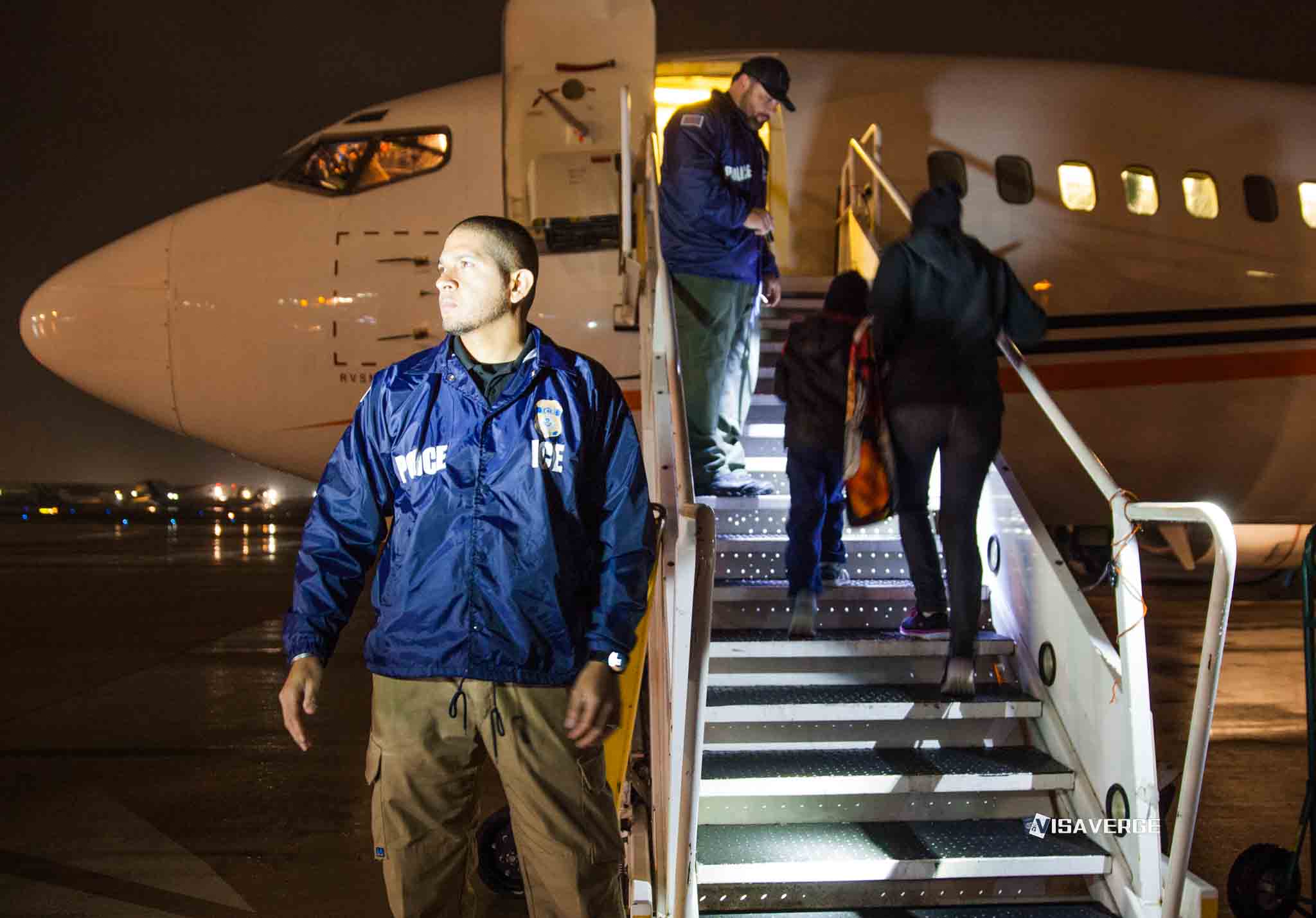
- A federal judge ordered the immediate release of a 5-year-old and his father from ICE detention in Texas.
- Judge Fred Biery criticized the government’s pursuit of deportation quotas and its impact on traumatized children.
- The Ecuadorian family must be released by February 3, 2026, after being detained during a Minnesota crackdown.
DILLEY, TEXAS — U.S. District Judge Fred Biery ordered U.S. Immigration and Customs Enforcement on Saturday to release 5-year-old Liam Conejo Ramos and his father from the Dilley ICE family detention center in Texas, directing that they go free “as soon as practicable,” but no later than February 3, 2026.
Fred Biery, a judge in the Western District of Texas, signed the order on January 31, 2026, after granting an emergency request from the family’s lawyer.
The ruling immediately barred ICE from deporting, removing or transferring Liam and his father while the court’s order governs, adding a time pressure on federal officials to complete the release process within days.
ICE must notify the family’s attorney at least two hours before the release, and the agency must file a status report confirming compliance.
Biery also directed the court clerk to close the case, signaling that the judge treated the emergency request as resolved once ICE carries out the release and reports back.
The order followed a step Biery took earlier in the week. On January 27, 2026, he blocked ICE from deporting or transferring Liam and his father from Texas.
In his opinion, Biery criticized the government’s enforcement posture in unusually sharp language. He wrote that the detention “has its genesis in the ill-conceived and incompetently-implemented government pursuit of daily deportation quotas, apparently even if it requires traumatizing children,” and referred to the government’s “ignorance of an American historical document called the Declaration of Independence.”
“Jesus said, ‘Let the little children come to me, and do not hinder them, for the kingdom of heaven belongs to such as these,'”
“Jesus Wept.”
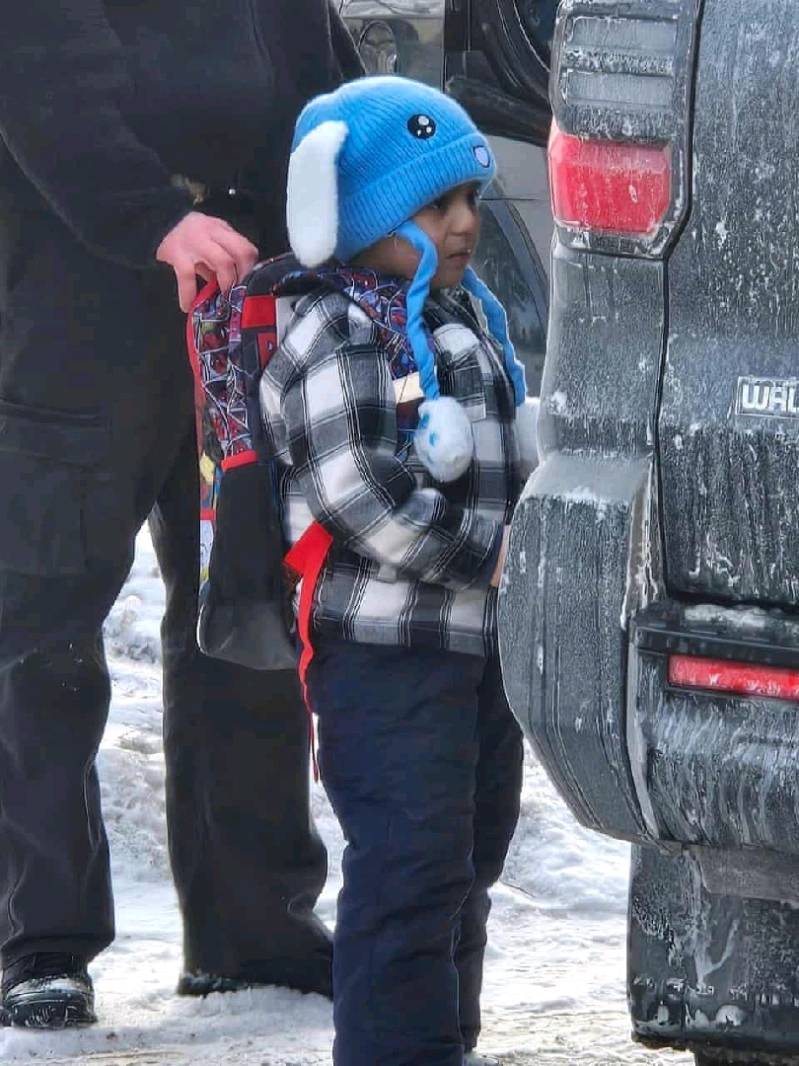
Biery’s written ruling also drew attention for including a photo of Liam wearing a blue bunny hat and carrying a Spider-Man backpack during his detention, along with Bible quotes cited in the opinion.
The court’s ban on removal or transfer functions as a protective order while the emergency matter remains under the judge’s control, preventing ICE from moving the family in a way that could complicate the court’s ability to enforce its directive.
Biery’s instruction to release them “as soon as practicable” is common in emergency detention disputes, where judges press agencies to act promptly while allowing time for the basic steps that accompany a discharge from custody.
The order set a hard deadline as well, stating that ICE must complete the release no later than Tuesday, February 3, 2026, though one source specifies Thursday, February 3.
Liam and his father, Adrian Alexander Conejo Ramos, were detained on January 20, 2026, in Columbia Heights, Minnesota, during Operation Metro Surge, which the draft described as a Trump administration crackdown with thousands of ICE and Border Patrol agents in the Minneapolis area.
The father was also reported as Adrian Conejo Arias.
The pair are Ecuadorian nationals who entered the U.S. in 2024 via a now-defunct Biden-era CBP One app system for asylum-seekers, as described in the draft.
Their asylum cases remain active and pending, docketed December 17, 2024, and supporters have argued the father has no criminal record and no deportation order.
ICE alleged the father is an “illegal alien” who fled officers and abandoned Liam in a running vehicle in a driveway.
ICE also alleged that Liam’s pregnant mother refused to take him despite offers, an account disputed by family supporters and witnesses who said she feared arrest and that multiple adults were available to care for the child.
Since the arrest in Minnesota, Liam and his father have been held at the Dilley facility, which the draft described as a family detention site housing about 1,100 people and reopened last year.
Reports cited in the draft described conditions that have featured in emergency court filings in other detention disputes, including worms in food, fights for clean water, and poor medical care.
The same draft cited reporting that ICE was holding 400 children beyond the 20-day limit as of December 2025, a claim that has fueled renewed scrutiny of family detention as the government expands enforcement operations.
Supporters also pointed to Liam’s community ties in Minnesota. He attends prekindergarten at Valley View Elementary, and he was described as the fourth Columbia Heights student detained that day.
The public narrative around the case widened after U.S. Rep. Joaquin Castro met Liam and his father for 30 minutes on January 28, 2026, and later quoted the father describing Liam’s condition in detention.
“very depressed” and “hasn’t been eating well.”
Castro quoted him as saying Liam was “very depressed” and “hasn’t been eating well.”
Reps. Jasmine Crockett and Greg Casar joined calls for the family’s release, according to the draft.
Outside the facility in Dilley, protests formed as the case spread online and through immigrant advocacy networks. The draft described detained children shouting “Libertad” on January 24 and said community supporters folded origami rabbits to symbolize Liam’s surname “Conejo,” Spanish for “rabbit.”
The case also unfolded amid heightened tension around immigration enforcement activity in Minnesota. The draft said outrage grew during the operations there and intensified after ICE killed U.S. citizens Renee Good and Alex Pretti.
In that climate, White House border czar Tom Homan suggested a federal agent “drawdown” if locals cooperate more, the draft said.
White House policy chief Stephen Miller referenced a 3,000 daily immigration arrest target, which Biery appeared to call a “quota,” according to the draft.
DHS and DOJ have not commented, the draft said.
Biery’s order, however, leaves little procedural ambiguity about what must happen next: ICE must coordinate the release with at least two hours’ notice to the family’s lawyer, confirm compliance in a status report, and complete the release by February 3, 2026.