

(ITALY) — Italy extended land border checks with Slovenia until June 18, 2026, notifying the European Commission on December 19, 2025, as it stepped up surveillance in the Friuli-Venezia Giulia region to curb irregular immigration.
Border checks and operational measures
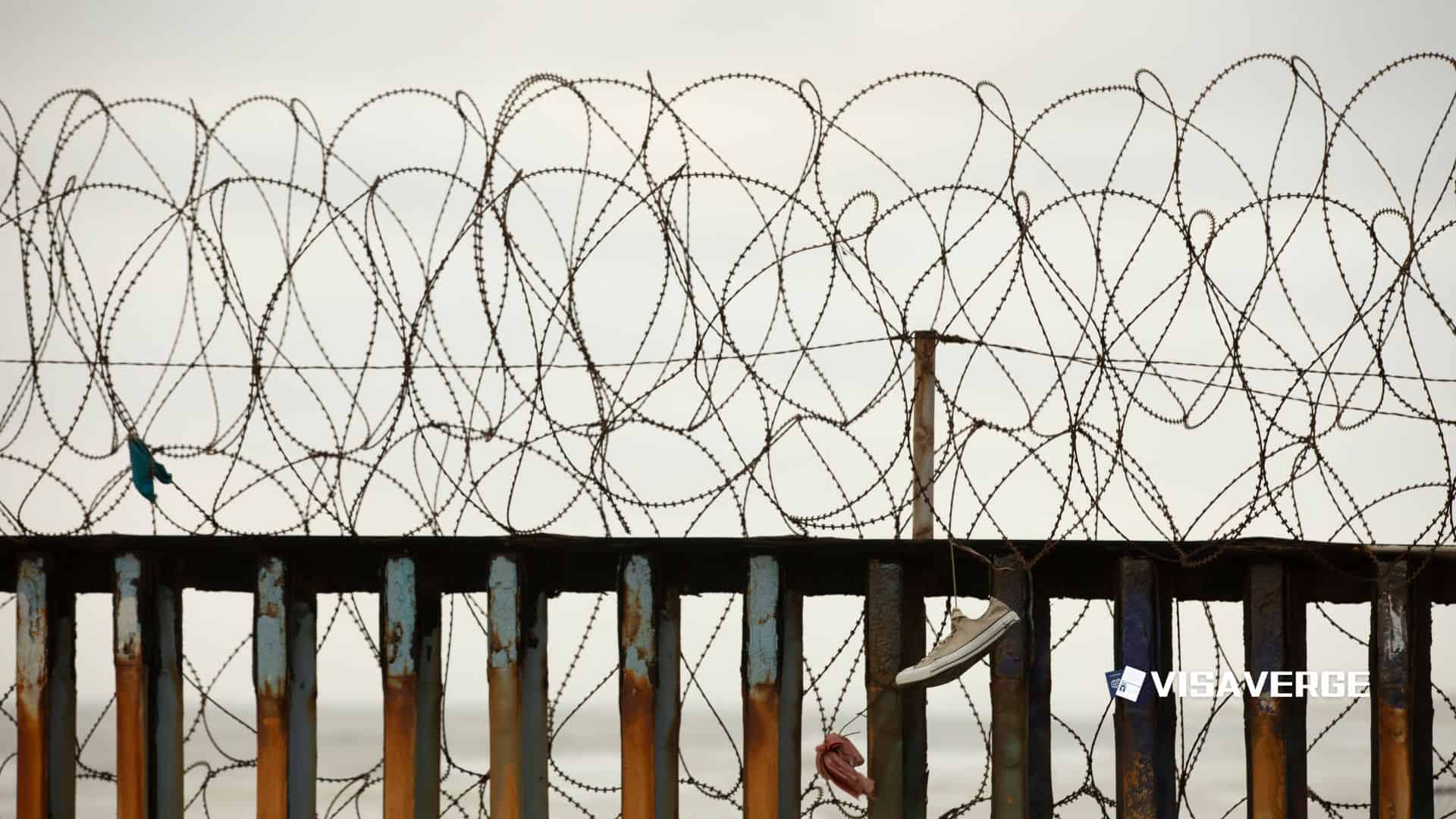
Italy implemented a range of measures at the Slovenian frontier to increase control over cross-border movement:
- Random passport inspections on road and rail traffic into Friuli-Venezia Giulia.
- Deployment of mobile control points to target transit routes.
- Advice to freight operators to carry digital and physical documentation to speed spot inspections.
The government framed the heightened surveillance around security risks linked to movement along the Western Balkan route, and concerns about possible terrorist infiltration ahead of major 2026 events: the Universal Jubilee in Rome and the Winter Olympics in Milan‑Cortina.
This extension is the fourth consecutive six-month renewal under Article 25 of the Schengen Borders Code, reflecting a sustained policy choice that affects cross-border travel and commerce in northeastern Italy.
Local impact and transit effects
The border measures have had visible effects on daily life and logistics in the Trieste area, where cross-border commuting and predictable transit are central to routines and supply chains:
- About 9,000 daily workers commuting between Trieste and Koper face random ID checks and typical delays of 10–25 minutes.
- Freight operators have been specifically advised to carry both digital and physical documentation to reduce inspection delays.
Authorities note diverging pressures across different routes into Italy: checks at the Slovenian frontier are linked to movements along the Balkans, while sea arrivals continue to test capacity on other fronts.
Migration flows and reported changes
Officials reported shifts in irregular crossing patterns following the tightened controls:
- Irregular crossings at the Slovenian frontier have reportedly dropped by 40% due to increased checks.
- Arrivals via the Central Mediterranean route to Italy rose by 43% in late 2025, maintaining pressure on sea-based surveillance.
International alignment and statements
Washington has publicly aligned with Italy’s approach, connecting border controls to efforts to steer migration toward regulated pathways.
“The U.S. and Italy reaffirm their shared commitment to counter illegal immigration and to ensure that legal migration is used as a tool to benefit our nations and not to create a security problem for our citizens. We will step up our common efforts to eradicate international organized crime groups engaged in migrant smuggling and human trafficking,”
— Joint Leaders’ Statement after a meeting between President Donald J. Trump and Prime Minister Giorgia Meloni on April 18, 2025, according to The White House.
Further reinforcement came from U.S. officials:
- Secretary of State Marco Rubio, in briefings on January 4, 2026, emphasized an “ironclad commitment” to preventing the exploitation of migration routes by “hostile regimes” and “Iranian proxies,” and said the U.S. would deploy “every tool” to support allies, according to the U.S. State Department.
- DHS Secretary Kristi Noem, in a December 2025 statement, recommended “a full travel ban on every damn country that’s been flooding our nation” and backed European partners adopting similar “common-sense” border protections, according to the DHS Newsroom.
Domestic policy package: enforcement paired with expanded legal admissions
Italy’s approach pairs stricter checks with expanded legal migration channels through the Decreto Flussi 2026–2028 and administrative reforms:
- The Decreto Flussi 2026–2028 authorizes 497,550 non‑EU workers over three years.
- For 2026, the quota is 164,850 entries.
- The first “click day” for seasonal workers begins January 12, 2026, a deadline expected to concentrate demand into a narrow application window.
Quota summary
| Period | Total authorized non‑EU workers | 2026 quota |
|---|---|---|
| 2026–2028 (three years) | 497,550 | 164,850 (for 2026) |
Digitalisation and procedural changes (Law 182/2025)
A separate but related reform changed how migrants and employers interact with Italy’s immigration system:
- Law 182/2025 (Simplification and Digitalisation Law) took effect on December 18, 2025.
- Italy moved to a “digital‑first” immigration system requiring:
- 100% online residence permit renewals.
- Real‑time monitoring of work authorizations.
- Employers are now required to register for SPID corporate credentials.
- The Interior Ministry warned that paper submissions after February 18, 2026, will be rejected, creating a firm cut-off that could affect hiring plans tied to the Flow Decree.
Asylum system tightening (Decree‑Law 146/2025)
Italy tightened access to parts of its asylum system with Decree‑Law 146/2025:
- Reception is restricted for asylum seekers who file applications more than 90 days after entry.
- Priority is given to those arriving via search and rescue operations at sea, rather than land routes.
This distinction intersects with Italy’s broader strategy to deter irregular land crossings while managing ongoing Mediterranean arrivals.
Broader implications
The combined measures underscore tensions between restored land border checks inside Schengen and the principle of free movement:
- Italy maintains temporary controls while attempting to encourage smoother compliance through digital documentation and employer registration.
- The policy mix affects cross‑border commuters, supply chains, asylum procedures, and the administrative burden on employers and migrants.
Italy’s Foreign Ministry and the U.S. Embassy in Italy have kept official communications that reflect this diplomatic and operational cooperation, including public postings on the Italian Ministry of Foreign Affairs website and the U.S. Embassy in Italy website.
Italy has extended border controls with Slovenia through mid-2026 to enhance security ahead of the Jubilee and Winter Olympics. The policy combines strict land border enforcement with a transition to a fully digital immigration system for residence permits. While land crossings decreased, Mediterranean sea arrivals have increased. Italy also established a three-year quota for nearly 500,000 legal workers to balance labor needs with national security.


