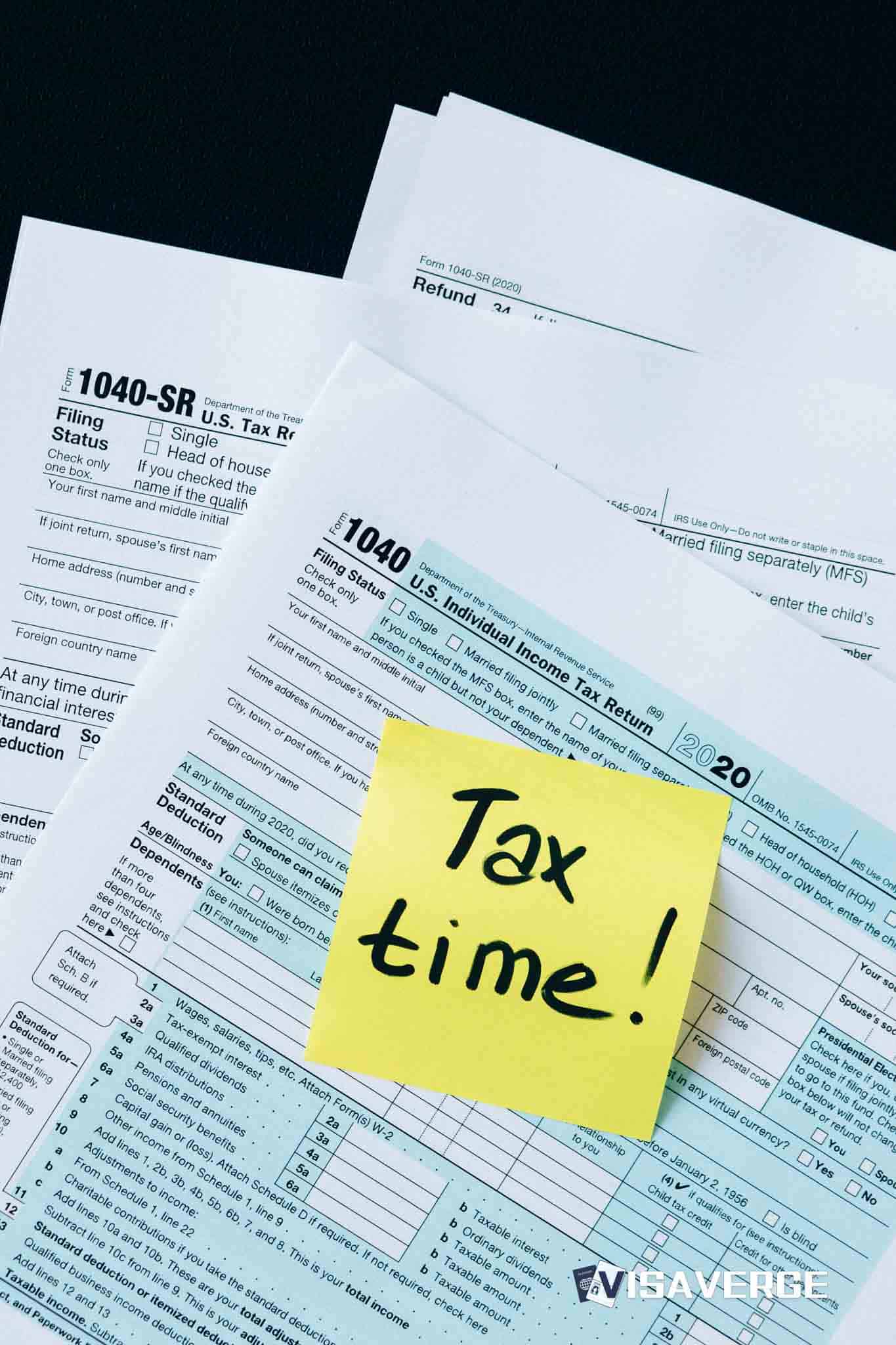
- Missing the April 15 deadline triggers failure-to-file penalties starting at 5% of unpaid taxes per month.
- Late payment penalties and daily interest accrue on unpaid balances even if you filed an extension.
- Immediate filing and partial payment limit escalating IRS charges and stop failure-to-file penalties.
(UNITED STATES) — Thousands of Americans who owe taxes on their 2025 returns and missed the April 15, 2026 filing deadline without an extension now face escalating IRS failure-to-file penalties, with charges starting at 5% per month, or partial month, on unpaid taxes and rising to as much as 25%.
Those taxpayers can also face a separate 0.5% per month late-payment penalty on unpaid balances. Interest accrues daily until the tax is paid.
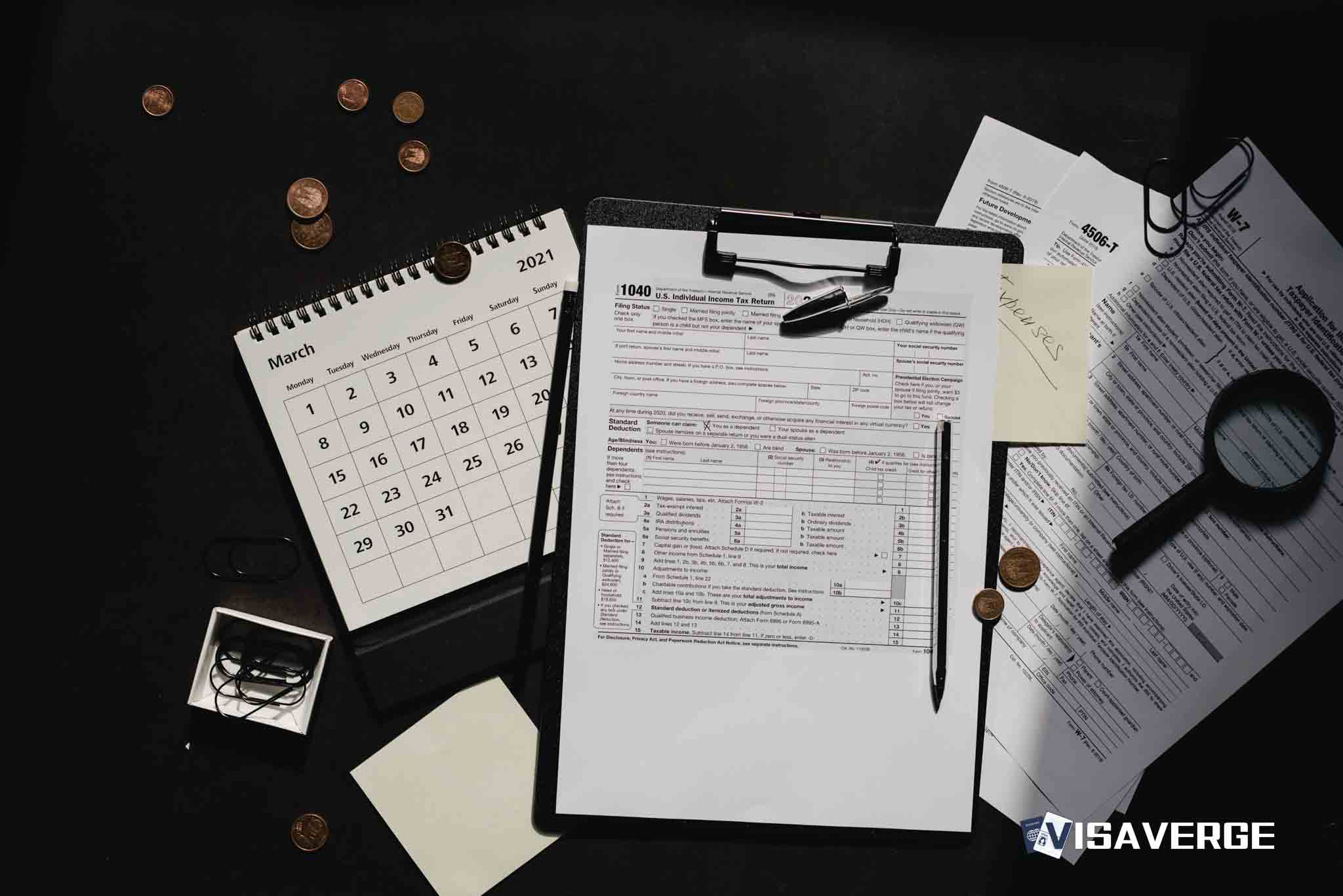
For people already past the deadline, the fastest way to limit the bill is to file immediately and pay what they can. Filing stops the IRS failure-to-file penalties from continuing to grow, while partial payment can reduce the balance that keeps drawing penalties and interest.
April 15, 2026 was the original deadline for filing Form 1040 and paying taxes owed for the 2025 tax year. Taxpayers who filed Form 4868 by that date received an extension to file until October 15, 2026, though unpaid taxes still triggered late-payment penalties and interest.
Some Americans have more time automatically. U.S. taxpayers living abroad have an automatic extension to June 16, 2026, but payments were still due April 15 to avoid interest, and combat zone personnel get 180 days after duty.
The sharpest charge is the failure-to-file penalty. It applies at 5% of unpaid taxes for each month or partial month a return is late, up to a maximum of 25%.
That penalty changes when a late-payment penalty applies in the same month. In those cases, the filing penalty is reduced by 0.5%, making the net filing penalty 4.5% for that month.
Returns that remain unfiled for more than 60 days face a floor under the penalty calculation. For 2026 filings, the minimum penalty is $525 or 100% of the underpayment, whichever is less.
That minimum can matter even when a taxpayer owes far less than a larger filer. Once a return is more than 60 days late, the standard monthly percentage is no longer the only figure at issue.
The late-payment penalty runs on a separate track. It is 0.5% per month on unpaid taxes, up to 25%, and it applies even when a taxpayer secured an extension to file.
Extensions help with paperwork, not with tax due. A taxpayer who filed Form 4868 on time avoided the late-filing penalty, but still owed payment by April 15, 2026 to avoid late-payment charges and interest on any unpaid amount.
That distinction matters for people who believed an extension delayed everything. It did not.
Interest adds another layer. It accrues daily on unpaid balances until they are paid, which means the cost of waiting can rise even when a taxpayer has already entered the penalty period.
Not everyone who missed the filing deadline faces a penalty. Taxpayers due a refund do not owe a failure-to-file or late-payment penalty because they do not owe tax.
Those filers still need to act if they want their money back. To claim a refund for the 2025 tax year, they must file by April 15, 2029, or by October 15, 2029 if an extension applied.
For taxpayers who do owe, filing now remains the clearest first step. Even if a full payment is not possible, sending in the return cuts off further IRS failure-to-file penalties, which are steeper than the late-payment charge.
Paying part of the balance can also help. Because the monthly penalties apply to unpaid taxes, reducing the unpaid amount can limit how much accrues going forward.
The IRS also offers payment plans for people who cannot pay in full at once. Taxpayers with balances under $100,000 can request a short-term plan lasting up to 180 days.
People who owe under $50,000 can seek a long-term plan with monthly payments for up to 10 years. A direct debit option is available under that arrangement.
Installment agreements can lower the late-payment penalty. For balances under those plans, the late-payment penalty is cut in half.
That reduction does not erase the balance or stop interest from accruing, but it can ease the monthly penalty burden for taxpayers who qualify and sign up. For someone already behind, the difference between the full 0.5% monthly late-payment charge and a halved rate can build over time.
Penalty relief may also be available in some cases. Taxpayers may qualify for first-time abate if they were on time for the past 3 years, and they can respond to an IRS notice by following the instructions on it.
That option does not apply automatically to every filer, and it does not replace the need to file. People seeking relief still need to deal with the return and any notices that arrive.
Taxpayers who have not yet filed but still remain eligible for an extension can use free filing tools or mail Form 4868. For most people who already missed April 15, however, the immediate issue is no longer extending the deadline but stopping added charges from piling up.
As of April 2026, the calendar now splits taxpayers into several groups. One includes people who filed and paid on time by April 15, 2026, and face no deadline problem.
Another includes people who filed Form 4868 by April 15 and have until October 15, 2026 to submit the return, though any unpaid tax from April 15 already carries late-payment penalties and daily interest. A third group includes taxpayers abroad who received the automatic extension to June 16, 2026, with the same rule that tax payment was due on April 15 to avoid interest.
Then there are those who did nothing by the April deadline. They are the group now facing the steepest immediate exposure to IRS failure-to-file penalties.
For that group, the passage of even part of a month matters because the failure-to-file penalty applies monthly or for a partial month. The charge does not wait for a full 30 days to pass.
That structure can catch taxpayers who delay in hopes of handling the return later in the summer. A return submitted after part of a month has elapsed can still trigger another month of penalty treatment.
The same logic applies to the late-payment penalty. It continues to run monthly on unpaid tax, even when the taxpayer has taken steps to buy time on the filing side.
As a result, the practical order of operations is straightforward. File the return, pay what is possible, and if needed arrange a payment plan.
Taxpayers with larger unpaid balances also need to keep the eligibility limits in mind. The short-term plan is available for balances under $100,000, while the long-term plan applies to balances under $50,000.
Those thresholds shape what options remain open after the deadline. A taxpayer whose balance falls under them can spread out payment and, in the case of an installment agreement, reduce the late-payment penalty by half.
The deadlines also matter for Americans outside the country and for military personnel. U.S. taxpayers abroad have until June 16, 2026 to file automatically, while combat zone personnel receive 180 days after duty.
Even in those cases, the payment rule stays tighter than the filing rule. Taxes owed were due April 15 to avoid interest.
For refund filers, the pressure is less immediate but still real. Missing the filing deadline does not create a penalty when the IRS owes the taxpayer money, yet the right to collect that refund does not remain open forever.
The deadline to claim a refund for the 2025 tax year is April 15, 2029. If an extension applied, that deadline becomes October 15, 2029.
That leaves a long window, but not an unlimited one. Taxpayers who assume they can always claim an old refund later risk losing it if they wait too long.
The stakes rise fastest for people who owe and remain unfiled. Once the return crosses the 60-day mark, the minimum penalty of $525 or 100% of the underpayment, whichever is less, comes into play for 2026 filings.
That figure sits on top of the broader monthly penalty structure that starts at 5% of unpaid taxes and can reach 25%. Add in the 0.5% monthly late-payment penalty and daily interest, and delay can become expensive quickly.
For taxpayers trying to contain the damage, the message is direct: file now, pay what you can now, and if necessary move quickly to request a payment plan. Those steps can stop the failure-to-file charge from growing, limit the balance exposed to monthly late-payment penalties, and reduce the late-payment rate by half if an installment agreement is in place.
The calendar that mattered most for millions of filers was April 15, 2026. For Americans abroad, another date still stands out: June 16, 2026. But for anyone who owes, missed the deadline, and has not filed, each partial month now carries a price.