- The IRS is ending paper refund checks as the default option starting in the 2026 tax season.
- Direct deposit and digital methods are 16 times more secure than physical checks sent through the mail.
- Taxpayers without bank accounts can use prepaid debit cards or mobile wallets for electronic refund delivery.
The Internal Revenue Service has moved to end most paper refund checks and make electronic refunds the default for the 2026 tax season, shifting taxpayers toward direct deposit and other digital payment options under Executive Order 14247.
The IRS generally stopped issuing paper refund checks for individual taxpayers after September 30, 2025, and officials now describe the change as part of a broader federal push to modernize how money moves to and from the government.
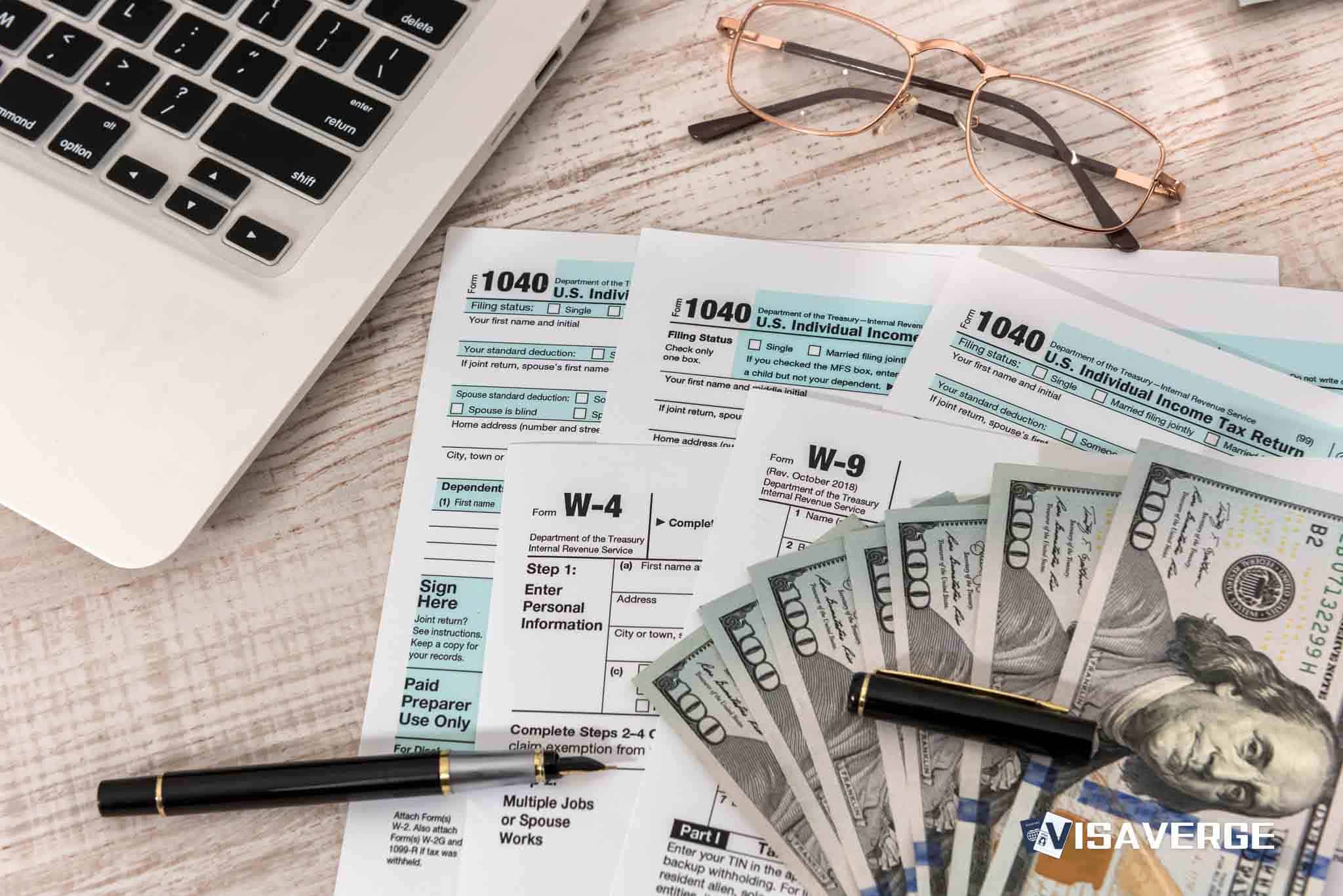
Electronic refunds, primarily direct deposit to a bank account, now sit at the center of the system. The IRS also lists other digital rails that include prepaid debit cards and transfers to secure mobile payment wallets, expanding options for filers who do not receive refunds through a traditional checking or savings account.
The change does not alter how people file their returns, the agency has said. Taxpayers can still submit returns electronically or on paper, but the refund delivery method has shifted away from mailed checks and toward electronic transfers.
Federal officials tied the move to security and administrative efficiency, with the Treasury Department citing risk in physical checks moving through the mail. Treasury also reported that paper checks are 16 times more likely to be lost, stolen, or altered than electronic funds transfers (EFT).
Speed sits at the center of the pitch to taxpayers. Direct deposit refunds often arrive in accounts within ~21 days when filed correctly, while mailed checks can take six or more weeks.
The transition also comes with a parallel digital-payment shift affecting U.S. Citizenship and Immigration Services, part of the same modernization push across agencies. As of October 28, 2025, USCIS no longer accepts paper-based payments for immigration benefit requests, and applicants must use Form G-1650 for ACH debit or other electronic methods.
For taxpayers, the main compliance step is straightforward: provide correct bank routing and account numbers when filing so the IRS can send the refund by direct deposit. That includes filers who previously relied on paper refund checks and now face a system that defaults to electronic delivery.
When the IRS lacks usable deposit details, it can slow the refund cycle. The agency can accept a return without bank information, but it may pause issuance and contact the filer for updated details, including through the Form CP53E notice.
If a filer does not respond within the time allowed after receiving that request, the IRS may still issue a paper check, but the agency warns that it can come only after a delay of about six weeks to allow time for electronic arrangements.
The new default affects U.S. taxpayers who historically received mailed checks, including filers who used paper returns but expected a traditional check in the mailbox. It also reaches nonresident filers and U.S. expatriates with U.S. tax obligations, who may need to ensure that refund delivery works with their account setup and payment method eligibility.
International or dual-status filers may need added attention because refund delivery can hinge on whether their preferred account or payment tool can accept U.S. electronic payments. The IRS and Treasury describe alternative electronic options as part of the expansion, including certain prepaid debit cards or services approved by the IRS.
The government framed the shift as a fraud-reduction and cost-saving measure as well as a customer-service change. The Treasury Department said digitizing paper records cost taxpayers over $657 million in Fiscal Year 2024 alone, and officials have argued that moving away from checks reduces handling and mailing costs while speeding payments.
Some of the most visible effects may fall on the slice of taxpayers who used paper checks as a default. Treasury estimated that approximately 7% of taxpayers (approx. 10 million individuals) who previously relied on paper checks are the primary focus of this transition.
The administration also linked payment modernization to broader enforcement and benefit debates that taxpayers may hear alongside the 2026 filing environment. Secretary of the Treasury Scott Bessent described a related policy posture in a statement dated November 20, 2025:
“Under President Trump’s leadership we are enforcing the law and preventing illegal aliens from claiming tax benefits intended for American citizens. Treasury’s Office of Tax Policy and the Internal Revenue Service have worked tirelessly to advance this initiative and ensure its successful implementation.”
Alongside the IRS refund shift, Treasury said a “major regulatory shift occurred on November 20, 2025,” when it defined refundable credits “as ‘federal public benefits’ under PRWORA,” restricting “non-qualified aliens” and those without legal status from claiming these benefits starting in tax year 2026.
Access issues remain a practical concern for filers without bank accounts, even as the government pushes toward direct deposit and other electronic methods. Treasury said the federal government has expanded partnerships with FDIC-insured institutions through programs like FDIC GetBanked and the Veterans Benefits Banking Program to provide low-cost electronic account options.
Taxpayers trying to avoid delays can reduce errors by updating bank information early and pairing e-filing with direct deposit, as the IRS and tax-preparation industry have long encouraged. Filers can also monitor progress through the IRS “Where’s My Refund?” tool, which provides status updates once the return is processed.
USCIS described its own payments overhaul in blunt terms as it moved away from checks and money orders. Matthew Tragesser, USCIS spokesman, said in a statement dated October 28, 2025:
“Modernizing financial transactions to and from the federal government is a priority for the Trump administration. Over 90% of our payments come from checks and money orders, causing processing delays and increasing the risk of fraud and lost payments. This is a no-brainer move.”
USCIS also laid out an exception pathway for people who cannot use electronic payments, including an exemption process using Form G-1651. The IRS similarly provides a waiver process for taxpayers facing extreme hardship or those with legal requirements for paper checks, although the shift makes electronic delivery the default outcome.
Officials have described the overall result as a “paperless” refund environment in 2026, with mailed checks becoming the exception rather than the norm. The transition folds into a wider push to make federal payments faster and more traceable, while cutting the administrative drag associated with printing, mailing, and reconciling paper checks.
The IRS’s public messaging has urged filers to plan for the change, with U.S. news reports highlighting the IRS position that it “urges Americans to prepare for the end of paper refund checks and opt for electronic filing and direct deposit” in the 2026 tax season.
The agencies anchored the shift in official materials published through their public information channels, including the IRS newsroom, USCIS newsroom, Treasury press releases, and the White House page that houses presidential actions related to Executive Order 14247. Those materials include guidance on electronic payments, refund delivery, and agency-specific processes for handling exceptions.
Frank J. Bisignano tied the refund changes to the executive order’s broader modernization goals in a statement dated January 27, 2026.
“These FAQs support the Executive Order in its effort to reduce fraud, improve security, lower costs, and make payments to and from the IRS faster and more reliable,” Bisignano said.
Links to agency materials include the IRS newsroom, USCIS newsroom, Treasury press releases and the White House page for presidential actions.