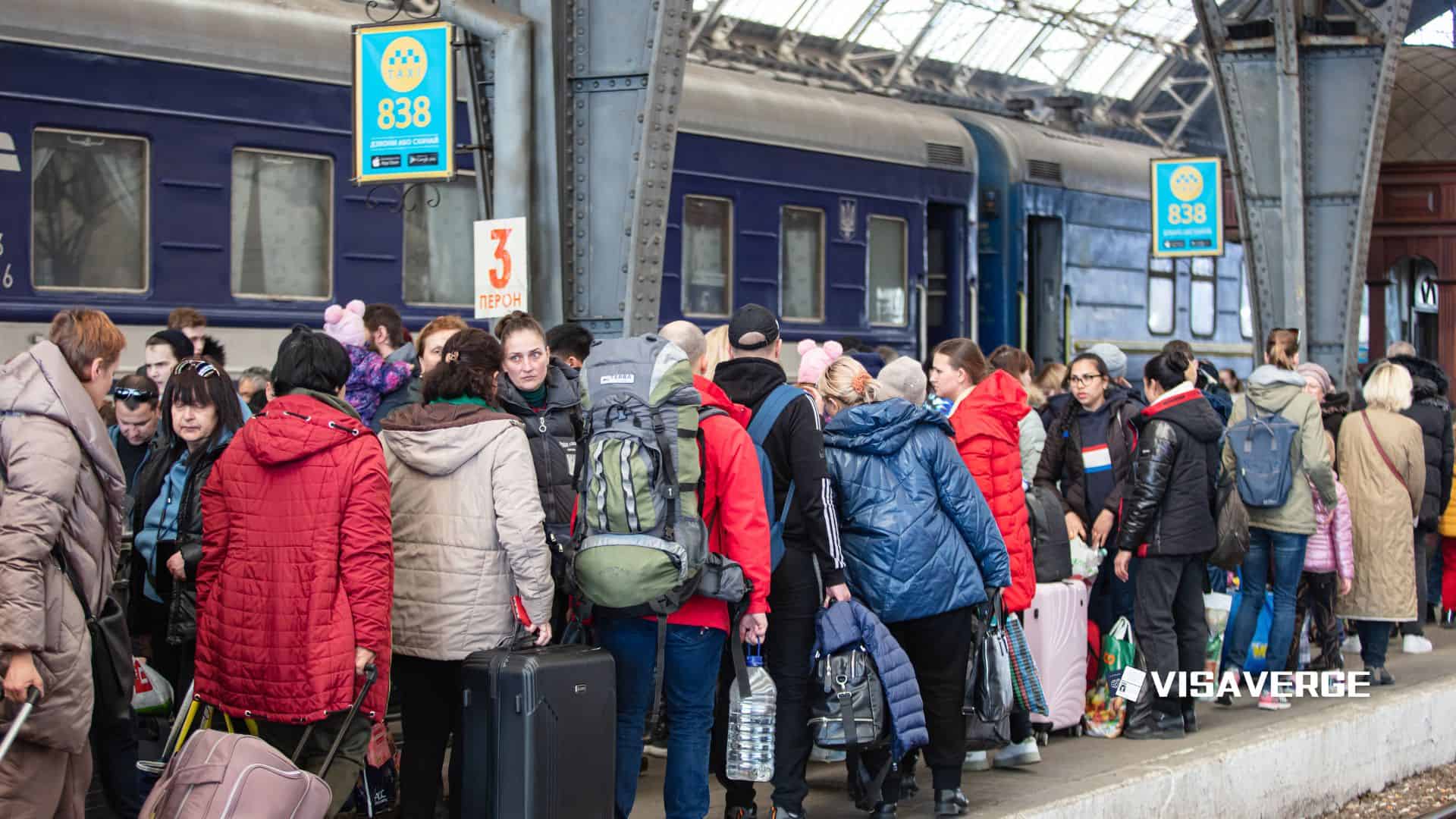
In recent years, the dream of pursuing higher education in the United States has become increasingly challenging for many Iranian students. The heart of the issue lies in a significant visa backlog, exacerbated by Section 306, a law that essentially places visa applicants from countries deemed as “state sponsors of terror” in a precarious position of presumed ineligibility unless they can prove otherwise. This law, a direct consequence of geopolitical tensions and security concerns, has sidelined hundreds of Iranian scholars, leaving their academic and professional futures in limbo.
What is Section 306 and its Consequences on Iranian Student Visas?

Section 306, implemented following the events of September 11, 2001, establishes stringent criteria for visa issuance to nationals from countries labeled as supporters of terrorism. For Iranian students, this designation means undergoing an additional layer of security scrutiny, often resulting in extended delays in visa processing. Legal experts and advocates have pointed out that this not only disrupts the academic plans of these students but also places undue stress on their future careers and personal lives.
Free toolOPT Timeline Calculator OnlineThe legal framework around Section 306 has led to a significant increase in visa backlog litigation, as students are forced to pursue legal avenues to challenge their delayed visa applications. According to Immigration attorney David Gluckman, this predicament has disproportionately affected Iranian nationals, compelling them to take drastic measures to safeguard their educational opportunities.
The Impact of Visa Delays on Iranian Students
The implications of these delays are profound. Many Iranian students have reported waiting for over a year for a decision on their visa applications, with some losing their admission slots in the process. A chemical engineering student shared their ordeal of having deferred admission twice and spending their savings to attend a visa interview in Dubai, only to be left waiting for over seven months without any update. This scenario is emblematic of the challenges faced by countless other Iranian students, who find themselves caught in a bureaucratic quagmire, deprived of the clarity and opportunity they deserve.
| India | China | ROW | |
|---|---|---|---|
| EB-1 | Oct 15, 2022 | Jul 01, 2023 ▲30d | Current |
| EB-2 | Unavailable | Sep 01, 2021 | Current |
| EB-3 | Jan 01, 2014 | Jan 01, 2022 ▲10d | Sep 01, 2024 ▲31d |
| F-1 | Dec 15, 2018 ▲317d | Dec 15, 2018 ▲317d | Dec 15, 2018 ▲317d |
| F-2A | Jul 22, 2026 ▲567d | Jul 22, 2026 ▲567d | Jul 22, 2026 ▲567d |
How are Students Responding to the Visa Backlog?
Facing seemingly insurmountable obstacles, many Iranian students have turned to litigation as a last resort to challenge their prolonged visa processing times. Under the Administrative Procedure Act, students can sue the government if their visas are not processed within six months. However, David Gluckman underscores the rising difficulty and diminishing effectiveness of such legal battles, along with the financial burdens associated with litigation and international travel for visa interviews.
Is There a Solution to the Visa Backlog?
Despite the daunting challenges, Iranian students and advocates continue to seek solutions to the visa backlog. The U.S. Department of State has urged students to apply early for their visas and has committed to refining visa application and security screening procedures. Additionally, there may be a possibility of expediting appointments for students with quickly approaching program start dates. For more information on visa processing and how to apply early, students can visit the official U.S. Department of State Bureau of Consular Affairs website.
Yet, with increased scrutiny and reduced funding for key vetting centers, as speculated by Gluckman, overcoming the backlog remains a Herculean task. Moreover, the political climate and recent global events have rendered legislative changes to Section 306 nearly impossible, further complicating the resolution of this issue.
Looking Forward: A Call for Advocacy and Reform
The visa backlog for Iranian students underscores a broader need for reform and advocacy. It is essential for policymakers, educational institutions, and legal experts to collaborate on finding equitable solutions that balance security concerns with the rights of individuals to pursue education and opportunities abroad. The ongoing litigation and public discourse on this issue may eventually pave the way for policy changes that ensure a fairer, more streamlined visa process for all international students.
Conclusion
The plight of Iranian students caught in the visa backlog quagmire is a stark reminder of the complexities at the intersection of immigration policy, national security, and international education. As legal battles continue and advocacy efforts persist, the hope for a resolution remains alive. For these students, the fight is not just about securing a visa; it’s about reclaiming the chance to fulfill their academic and professional aspirations. In the face of adversity, their resilience and determination shine as a beacon of hope for a future where education and opportunity know no borders.
This Article In A Nutshell:
Iranian students face visa delays due to Section 306, impacting academic and career prospects. Delays last over a year, leading to deferred admissions and financial strain. Legal battles against the backlog pose challenges. Advocacy and policy changes are crucial for a fairer, streamlined visa process, ensuring equal opportunities for all students.