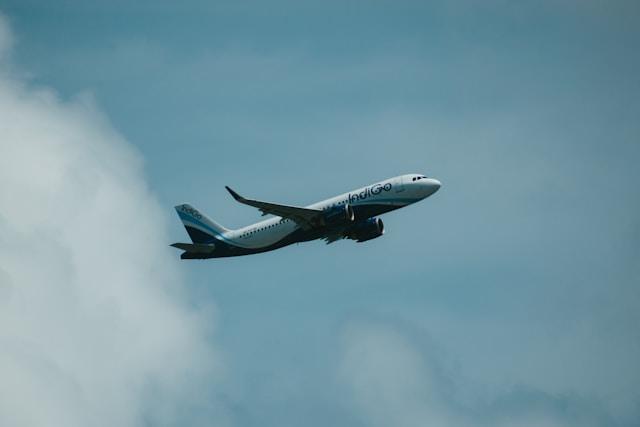
India’s Ministry of Civil Aviation has imposed temporary emergency caps on domestic economy-class airfares after IndiGo’s large-scale flight cancellations sent ticket prices soaring on busy routes and left passengers stranded at major airports. The decision, announced following a week in which IndiGo cancelled more than 1,600 flights, aims to stop what the ministry called an “unreasonable surge” and “opportunistic pricing” in the middle of a sharp capacity crunch.
What the emergency caps cover
The emergency caps apply across all domestic airlines and all booking channels, including airline websites and online travel agencies, not just IndiGo.
- For now, no carrier selling an economy ticket on a domestic route can charge more than:
- Rs 7,500 for routes up to 500 km
- Rs 12,000 for routes between 500 and 1,000 km
- Rs 15,000 for routes between 1,000 and 1,500 km
- Rs 18,000 for routes longer than 1,500 km
These limits apply only to the base airfare and do not include airport charges or statutory taxes such as user development fees and passenger service fees.
Cancellations or last-minute changes can affect visa or consular travel plans. Budget for possible rebooking delays and non-refundable fees, and keep flexible connections as a precaution.
| Distance band | Emergency cap (base fare only) |
|---|---|
| Up to 500 km | Rs 7,500 |
| 500–1,000 km | Rs 12,000 |
| 1,000–1,500 km | Rs 15,000 |
| Over 1,500 km | Rs 18,000 |
Why the government acted
Fares on some key routes, including Delhi–Mumbai, shot above Rs 28,000 in the chaos following IndiGo’s cancellations. With IndiGo holding more than 60% of India’s domestic market, its problems quickly spilled over to the wider system.
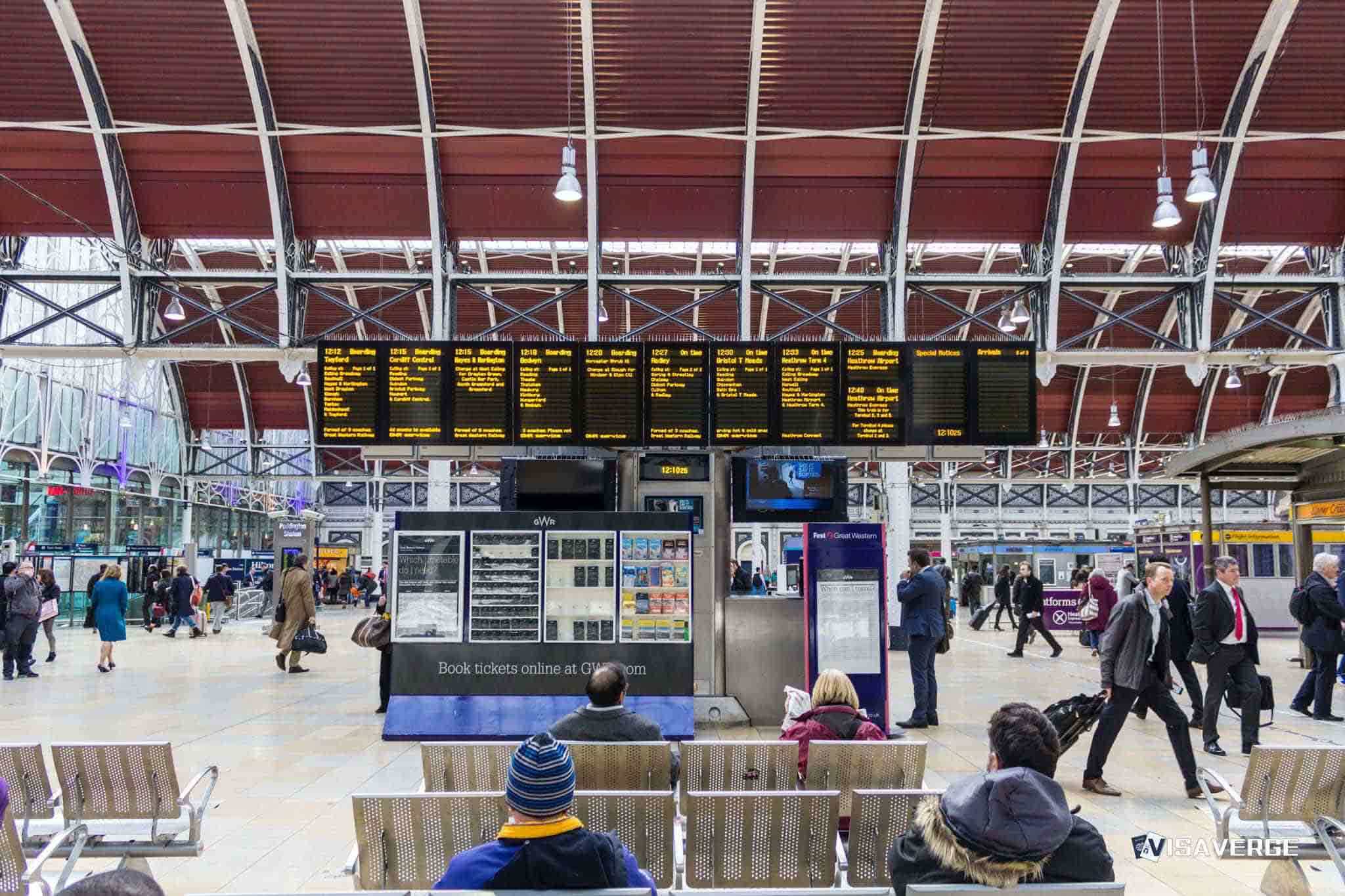
As aircraft were pulled from schedules and passengers tried to rebook on the few remaining seats, airlines raised fares sharply on routes where demand far exceeded available capacity. Passengers at major hubs such as Delhi, Mumbai and Bengaluru reported long queues, confusion at check-in counters and last-minute cancellations, adding pressure on the government to act.
According to analysis by VisaVerge.com, the state’s move is widely seen as a short-term emergency tool to steady prices while airlines work through the shock.
The caps are intended as a temporary protection for passengers while cancellations and extreme fare spikes persist.
Scope, exclusions and enforcement
- The emergency caps are temporary and will remain only until flight cancellations fall to more normal levels and average fares settle.
- The Ministry of Civil Aviation is tracking prices in real time and has warned airlines and travel platforms that any breach of the caps will prompt “immediate corrective action in the public interest.”
- The caps are strict ceilings, not mere guidelines, for economy tickets during this period of disruption.
Exclusions:
– The measure applies only to domestic economy-class fares.
– It does not cover Business Class fares.
– It does not cover RCS-UDAN flights, the regional routes supported under India’s regional connectivity scheme.
– The caps do not interfere with separate airport charges and statutory taxes, which will continue to be added on top of the base fare.
Root cause: IndiGo pilot rostering breakdown
At the heart of the crisis is a pilot rostering breakdown inside IndiGo, triggered by the implementation of stricter Flight Duty Time Limitations (FDTL) rules on November 1, 2025. These FDTL rules require longer rest periods for flight crew to improve safety and reduce fatigue.
- Although the rules were known in advance, IndiGo’s internal scheduling systems struggled to adjust, leaving the airline suddenly short of pilots who were legally cleared to fly under the new regime.
- The shortage led to widespread flight cancellations as IndiGo could not assign rested crews to all scheduled flights.
- Given IndiGo’s large market share, every cancelled flight produced hundreds of passengers trying to rebook on other carriers with limited spare capacity, causing a sharp fare spike.
Government response and investigation
The government has ordered a formal investigation into IndiGo’s operational failures and formed a committee to assess the rostering process and accountability.
- Officials have not yet released the committee’s membership or timeline.
- The investigation is expected to examine how IndiGo prepared for the FDTL changes and whether its staffing plans were realistic.
- The episode has raised broader questions about contingency planning in a market dominated by one carrier.
Wider consequences for travellers
The fallout extends beyond aviation to people with pressing travel needs, including those on immigration-related travel or with international connections.
- Domestic connections inside India often form a crucial first or last leg for travellers flying abroad for work visas, study permits or family reunification.
- Last-minute domestic cancellations or price shocks can cause travellers to miss consular appointments or onward long-haul flights and risk losing non-refundable fees.
- Some travellers heading to embassies or consulates in cities like Delhi or Mumbai found that the cost of reaching the consulate had doubled or tripled, straining tight budgets.
The emergency caps are designed to prevent such extreme jumps while cancellations continue to bite.
Impact on airlines and booking platforms
Airlines and booking platforms must adapt their pricing systems to ensure compliance with the new ceilings while the rules remain in force.
- Because the caps apply uniformly to every carrier and every sales channel, they aim to block workarounds such as shifting the highest fares to specific portals or late booking windows.
- Officials have stated they will study pricing data closely, and any pattern that appears to dodge the caps is likely to draw official scrutiny.
Policy implications and safety context
The episode highlights how operational decisions, such as pilot scheduling, are tightly connected to consumer outcomes.
- Flight Duty Time Limitations are safety measures intended to reduce fatigue-related risk, and India is not unique in tightening such standards.
- The IndiGo case demonstrates that if airlines misjudge crew requirements or fail to adjust rosters, consequences can spread across the market, triggering passenger chaos, emergency fare controls and government probes.
On a broader level:
– The government’s move shows a willingness to step in when market behaviour is seen as harming the public during unusual shocks.
– While there is no sign the emergency caps will extend to other situations, the episode may set a reference point for future crises where sudden shortages lead to price gouging.
– Officials appear keen to return to normal, allowing airlines to set fares freely once the disruption passes.
What travellers should do now
Travellers planning trips in the coming days have been urged to:
- Check the latest advisories from the Ministry of Civil Aviation and their airlines.
- Monitor schedules closely, as flights may still change while IndiGo works through its rostering backlog.
- Factor in that the emergency fare caps apply only to the base fare—airport charges and taxes will still be added.
For official updates on civil aviation policy and notices, passengers can refer to the Indian government’s Ministry of Civil Aviation website: https://www.civilaviation.gov.in
Outlook
Analysts expect it may take at least another week for cancellations to ease and fares to stabilise, although officials have not given a fixed date for lifting the caps.
- Once flight schedules become more predictable and the worst of the capacity shock passes, the ministry is likely to reassess whether such strong controls remain necessary.
- Until then, the emergency caps act as a temporary shield for passengers on domestic routes while the government presses IndiGo and the wider industry to restore normal operations.
After IndiGo cancelled more than 1,600 flights, India’s Ministry of Civil Aviation imposed temporary emergency caps on domestic economy base fares across all airlines and booking channels. Caps range from Rs 7,500 to Rs 18,000 by distance, excluding airport charges and taxes, and do not cover business class or RCS-UDAN routes. The government launched an investigation into IndiGo’s rostering failures tied to new FDTL rules and will monitor prices until stability returns.