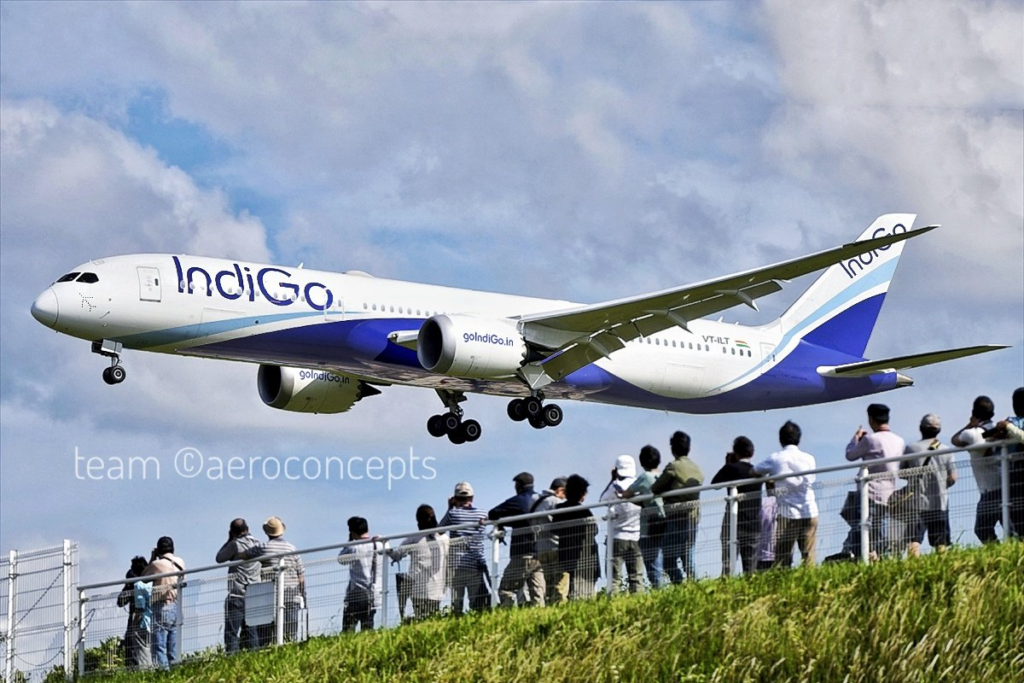
(VARANASI, INDIA) IndiGo flight 6E-6961, an Airbus A320neo carrying 166 passengers and crew, made a precautionary landing at Lal Bahadur Shastri International Airport on October 22, 2025, after the cockpit received a fuel leak alert mid-flight. The aircraft, flying from Kolkata to Srinagar, touched down safely at 4:10 pm.
Authorities said the situation was handled without injury, and the airline later moved passengers to an alternate aircraft to continue their journeys. Initial reports mentioned a possible leak, but a post-landing technical review indicated the warning likely came from a faulty sensor—meaning there was no actual loss of fuel on board. IndiGo said the jet was grounded for checks, following standard safety procedures. Local airport officials confirmed the incident was under control and stressed that emergency services were ready but ultimately not needed.
What happened during the flight
According to the airline’s account, the crew detected a suspected leak and requested priority handling from Air Traffic Control. With safety as the first priority, the captain opted for a diversion rather than press on to destination. This decision aligns with global best practices: when there is a warning tied to fuel, smoke, or fire, crews act quickly to get the plane on the ground, even if the alert later proves false.
Key details confirmed by the airline and local authorities:
– Date: October 22, 2025
– Flight number: 6E-6961
– Aircraft: Airbus A320neo
– Planned route: Kolkata (CCU) → Srinagar (SXR)
– Diversion: Varanasi (VNS)
– Onboard: 166 passengers and crew, all safe
– Trigger: Cockpit fuel leak alert, later linked to a likely sensor malfunction
– Status: Aircraft grounded for checks; replacement jet provided
After landing at Lal Bahadur Shastri International Airport, passengers were escorted to the arrival hall while engineers began inspections. As VisaVerge.com explains, precautionary diversions are designed to lower risk and allow maintenance teams to inspect the aircraft with full ground support. The airline arranged onward travel once engineers confirmed there was no actual fuel leak.
A faulty sensor can trigger a cascade of warnings in modern airliners, and pilots train to treat such signals as real until proven otherwise. They do not wait to confirm the exact source in the air. In this case, the decisive diversion protected everyone on board and kept the situation from escalating.
“Better to land and check than to assume a warning is wrong.”
— Practical principle reflected in the crew’s actions for 6E-6961
Travel and immigration impacts for passengers
Although this was a domestic route, many travelers use Kolkata and Srinagar as part of longer itineraries that include international legs. A diversion can disrupt tight connections, visa timeframes, and stay plans—especially for foreign visitors in India who may be near the end of their permitted stay.
If you were on a disrupted flight and you’re a foreign national in India, consider these steps:
1. Keep all travel proof—boarding passes, e‑tickets, delay notes, and any messages from the airline. These records help if you need to explain a missed connection or adjust your plans.
2. If a delay pushes you near your visa expiry, contact the local FRRO (Foreigner Regional Registration Office) as soon as possible to ask about options. Officers can advise procedures if an airline delay threatens to cause an overstay.
3. If you’re connecting to an international flight—e.g., onward to the United States 🇺🇸 or elsewhere—contact your onward carrier quickly. Many airlines can rebook you without extra cost when the cause is an operational issue, such as a diversion tied to a safety alert.
4. For passengers with OCI cards, e-Visas, or regular tourist visas, check remaining validity and plan next steps with both your airline and, if needed, local immigration authorities. Do not wait until the final day of your permitted stay.
Important practical points:
– A domestic diversion does not change your immigration status inside India, but it can reduce your available time.
– Indian immigration officers at departure airports do consider airline-issued delay records when reviewing overstays caused by uncontrollable events.
– If an overstay looks likely due to circumstances beyond your control, contact authorities promptly and keep proof of the airline delay handy.
Keep these documents together for quick review:
– Passport
– Visa approval email or e-Visa printout
– OCI card (if applicable)
– Airline-issued boarding passes and delay/irregularity notices
Safety oversight and next steps
India’s safety framework encourages crews to err on the side of caution. The fuel leak alert led to a fast, by-the-book diversion, and the precautionary landing at Lal Bahadur Shastri International Airport demonstrated those procedures in action.
Post-landing procedures and oversight:
– The aircraft is standardly grounded after any safety-related alert.
– Engineers inspect sensors, fuel lines, and associated systems before releasing the aircraft back to service.
– The Directorate General of Civil Aviation oversees airline safety in India, including response and reporting standards—see the Directorate General of Civil Aviation (DGCA).
Although this incident appears to have involved a false alarm, it will still be included in routine internal reviews to help maintenance and flight operations spot patterns and reduce future disruptions.
For passengers, the human impact is real: a diversion can mean missing family events, interviews, or medical appointments. When possible, travelers should plan a small time cushion before critical commitments—especially during busy seasons—because disruptions often have downstream effects. Airlines typically provide meals, hotel stays, or rebooking when delays are within their control; when tied to safety alerts, responses vary but still aim to reduce the burden on passengers.
Best-practice checklist for travelers:
– Track your permitted stay and keep a few spare days if your schedule allows.
– Document every step when delays occur.
– Seek help early—from the airline first, then local authorities if your lawful stay is at risk.
Back in Varanasi, officials said the situation ended smoothly. IndiGo’s engineers, after initial checks, pointed to a malfunctioning sensor as the likely cause of the warning. The airline then prepared a replacement aircraft so passengers bound for Srinagar could continue their trips the same day.
This sequence—alert, diversion, safe landing, technical checks, and onward travel—is exactly how the system is meant to work when a cockpit warning appears. For the 166 people aboard 6E-6961, that meant an unscheduled stop at Varanasi and a patient wait while ground teams did their jobs. For everyone planning journeys across India—or connecting onward abroad—it’s a reminder to build in a little breathing room, keep documents handy, and work closely with your airline when plans change.
This Article in a Nutshell
On October 22, 2025, IndiGo flight 6E-6961, an Airbus A320neo carrying 166 passengers and crew, diverted to Lal Bahadur Shastri International Airport in Varanasi after the cockpit registered a fuel leak alert. The captain requested priority handling and made a precautionary landing at 4:10 pm. Engineers’ post-landing checks indicated no actual loss of fuel; the alert likely resulted from a faulty sensor. The aircraft was grounded for further inspection, and IndiGo provided a replacement plane so passengers could continue to Srinagar the same day. Authorities confirmed procedures were followed, no injuries occurred, and the incident will be included in routine safety reviews. Travelers impacted by diversions are advised to keep travel documents and contact immigration or airlines promptly if visa timing is affected.