Key Takeaways:
- Indian student Aryan Anand faked his father’s death for a scholarship, exposing student visa system vulnerabilities.
- Anand exploited the F-1 visa with fraudulent academic records, resulting in visa approval and illegal work.
- The case emphasizes the need for stricter verification and audits to prevent fraud and enhance national security.
How Did an Indian Student Pull Off a Massive Visa Fraud Scheme?
On June 25, an article from NBC Philadelphia reported a case that’s both shocking and surprisingly elaborate: “Former Lehigh University Freshman faked his father’s death for full scholarship, officials say.” Nineteen-year-old Indian national Aryan Anand stands accused of fabricating a death certificate for his father to secure a scholarship at Lehigh University. What makes this more concerning is that this was neither the beginning nor the end of Anand’s illegal activities, revealing vulnerabilities in the student visa system that have not been fully addressed since the vulnerabilities exposed by the September 11th attacks.
What are F-1 and M-1 Student Visas?
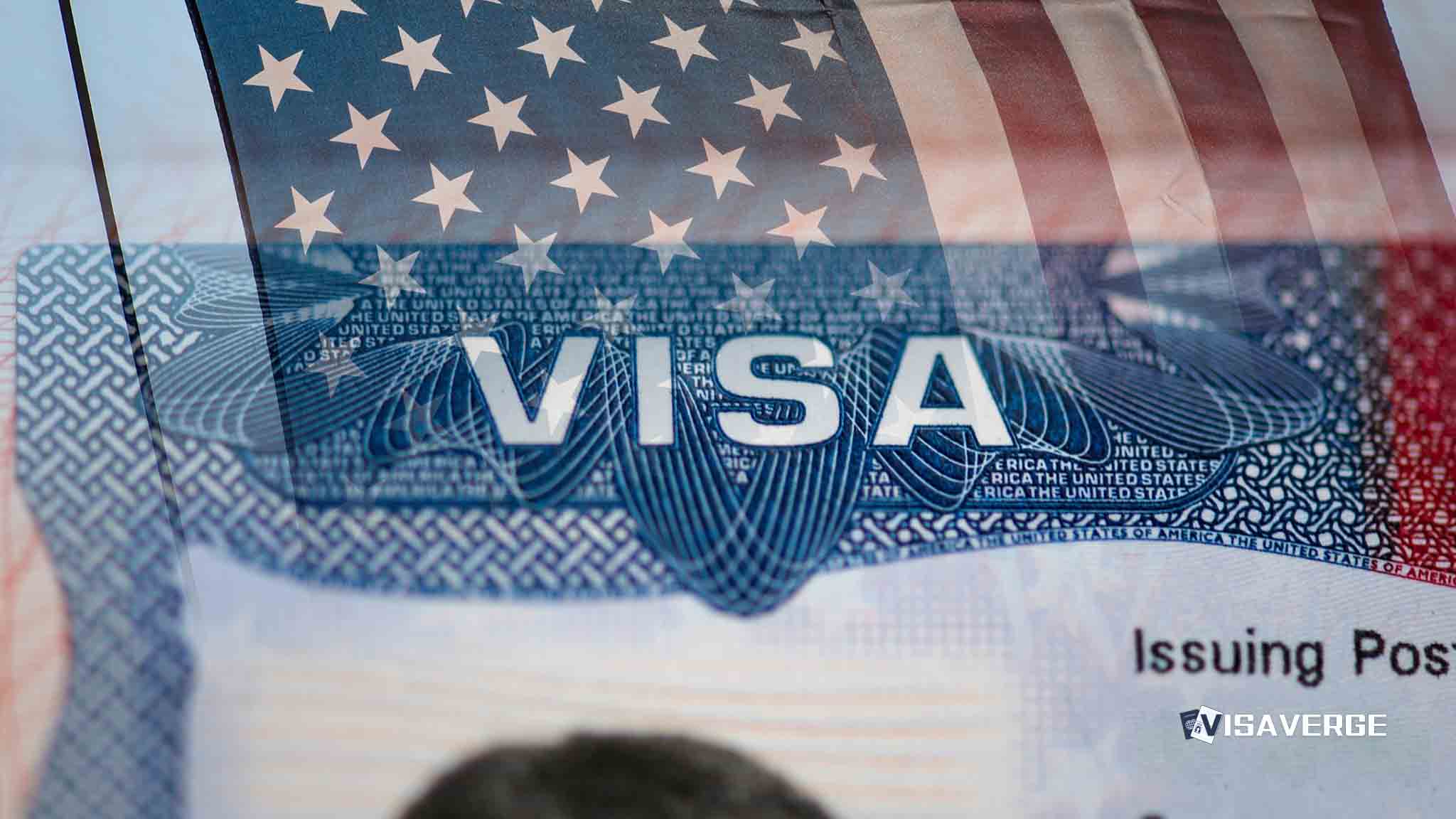
Nonimmigrant foreign students in the U.S. usually enter through either an F-1 or M-1 visa. The F-1 visa permits a nonimmigrant to enter the U.S. as a full-time student at an accredited institution like a college, university, or language training program. On the other hand, the M-1 visa is issued to students pursuing vocational or nonacademic programs other than language training.
Both these visas are issued to students attending schools certified by the Student and Exchange Visitor Program (SEVP), which is administered by the Homeland Security Investigations (HSI) division of ICE. This arm of ICE has turned its focus away from immigration-related issues, though.
How Does the Student Visa Process Work?
After acceptance into a SEVP-certified school, a Designated School Official (DSO) creates a SEVIS record for the student using the applicant’s biographical and financial information. The school then issues a Form I-20, “Certificate of Eligibility for Nonimmigrant Student Status,” which the student presents when applying for the visa at a U.S. consulate.
If the visa is approved, the student carries the I-20 form and other supporting documents to a U.S. port of entry for inspection by a Customs and Border Protection (CBP) officer. After admission, the student has 30 days to appear at the school, and the DSO updates SEVIS to show the student’s status and whether they remain in good standing.
How Did Aryan Anand Exploit the System?
Aryan Anand’s case illustrates a severe breakdown in the system. Back in India, Anand didn’t excel academically and was preoccupied with watching horror movies. Acknowledging that no good school back home would accept him, he turned his eyes to U.S. colleges offering generous aid programs. Anand fabricated his father’s death certificate, claiming his mother couldn’t cover the costs alone.
Lehigh University is a selective institution, accepting only 37% of applicants. How did Anand, lacking strong academic credentials, secure a full scholarship? By faking school records, creating a fake email address, and using ChatGPT to write his college essays. This deceit secured his I-20 form from Lehigh, which he then presented to a U.S. consulate.
How Did the Visa Scheme Unfold?
According to Anand:
“They first asked why this university and all. I said something unique about the uni and then said they also gave me a full ride, which means full scholarship. As soon as she saw that on my I20 [sic] (it’s a doc for the visa), she said, ‘Oh, that’s good,’ smiled and said congrats, and said, ‘You must be very smart’ … and instantly typed something on the computer and said your visa is approved.”
Despite securing the visa, Anand did not thrive academically at Lehigh. He continued his lazy habits and even cheated on exams. Additionally, he violated his F-1 visa conditions by working illegally, fabricating his resume to secure a part-time remote job earning $1,500 monthly. Anand later admitted his fraudulent activities in a Reddit post titled “I have built my career on LIES and FRAUD,” which resulted in his scheme being exposed.
What Are the Broader Implications of This Fraud?
Aryan Anand’s case highlights vulnerabilities in the student visa system. If an “unmotivated student” from India can cheat the system, what stops terrorists or other entities from exploiting these same weaknesses? The historical context isn’t reassuring. Eyad Ismoil, involved in the 1993 World Trade Center bombing, was in the U.S. on an expired student visa. September 11th hijackers, including those who attacked the Pentagon and World Trade Center, also manipulated various visa processes, including student visas.
Consider foreign governments like China attempting to infiltrate academic research institutions with defense contracts. Anand’s exploitation of the system shows how easy it could be for hostile actors to adopt similar tactics.
What Warnings Do Previous Cases Provide?
Instances of foreign students turning to terrorism in the U.S. include Hani Hanjour, who trained at a language center but never attended classes, and Khalid Sheikh Mohammed, 9/11 mastermind, who studied engineering in the U.S. and later managed to secure a tourist visa using a fake identity. The issue here isn’t just an isolated incident but a pattern showing how the student visa process can be weaponized.
A 2013 “fact check” attempted to calm fears by noting that only one 9/11 hijacker entered on a student visa. But the final report from the 9/11 Commission revealed that five co-conspirators were denied entry for not being bona fide tourists or students.
How Do We Fix the System?
The saga of Aryan Anand urges a tightening of the student visa process. Here are some potential steps to fortify the system:
- Double-Check School Records: Schools like Lehigh should enforce stricter verification of foreign applicants’ academic credentials.
-
Enhanced DSOs Screening: DSOs should undergo more rigorous training to detect fraud.
-
Interagency Coordination: Better communication among SEVP, SEVIS, DoS, CBP, and academic institutions can prevent blind spots.
-
Real-Time SEVIS Updates: Constant updates of SEVIS records can help track a student’s status more closely.
-
Regular Audits: Periodic audits of SEVP-certified schools and their visa processing can catch irregularities early.
Conclusion
Aryan Anand’s case serves as a cautionary tale about the loopholes in the student visa system. While he has become a social media sensation, the broader implications are far from humorous. If unacademically inclined students can game the system with fraudulent methods, the stakes are much higher when considering national security threats.
As per VisaVerge.com, the current system, even after decades of reform attempts, still lacks ultimate accountability, making it an easy target for fraud. Fixing these gaps isn’t simply a matter of policy but of national security. For more information on how the student visa process works and ongoing reforms, visit the official U.S. Citizen and Immigration Services (USCIS) website.
The lesson here is crystal clear: vigilance in visa processing isn’t just about maintaining academic integrity but safeguarding national security.
Learn Today:
Glossary of Terms
- F-1 Visa: A type of nonimmigrant visa that allows foreign students to enter the United States for full-time study at accredited institutions such as colleges, universities, or language training programs.
- M-1 Visa: A nonimmigrant visa issued to foreign students participating in vocational or nonacademic programs other than language training within the United States.
- SEVP (Student and Exchange Visitor Program): A program administered by Homeland Security Investigations (HSI) under ICE, responsible for certifying educational institutions to enroll nonimmigrant students and monitoring their status through SEVIS (Student and Exchange Visitor Information System).
- DSO (Designated School Official): An authorized school official responsible for creating and maintaining SEVIS records for foreign students, issuing Form I-20, and ensuring students comply with visa regulations.
- Form I-20: A document titled “Certificate of Eligibility for Nonimmigrant Student Status,” issued by SEVP-certified schools to prospective foreign students, necessary for applying for an F-1 or M-1 visa at a U.S. consulate and for entry into the United States.
This Article In A Nutshell:
An Indian student, Aryan Anand, faked his father’s death certificate to secure a scholarship and visa for Lehigh University. This elaborate scheme exposes flaws in the student visa system, highlighting the need for stricter verification processes to prevent such fraud and ensure national security.
— By VisaVerge.com
Disclaimer: The information provided in this article is for informational purposes only. If you reference or use any content from this article, please attribute it to VisaVerge.com by including a link to the original source. We appreciate your adherence to our content usage policies and your commitment to giving proper credit.
Read More
- Massive $2.75 Billion Healthcare Fraud Case Involving 3 Indians
- Canada Visa Scam: Four Charged in ₹5 Crore Fraud
- Brijesh Mishra Pleads Guilty to Immigration Fraud
- NRI Woman from Gujarat Swindles US Man Out of $1.5 Million in Gold Bar Fraud Scandal
- Immigration Fraud Crackdown in Chandigarh: Police Take Action Against Deceptive Firms