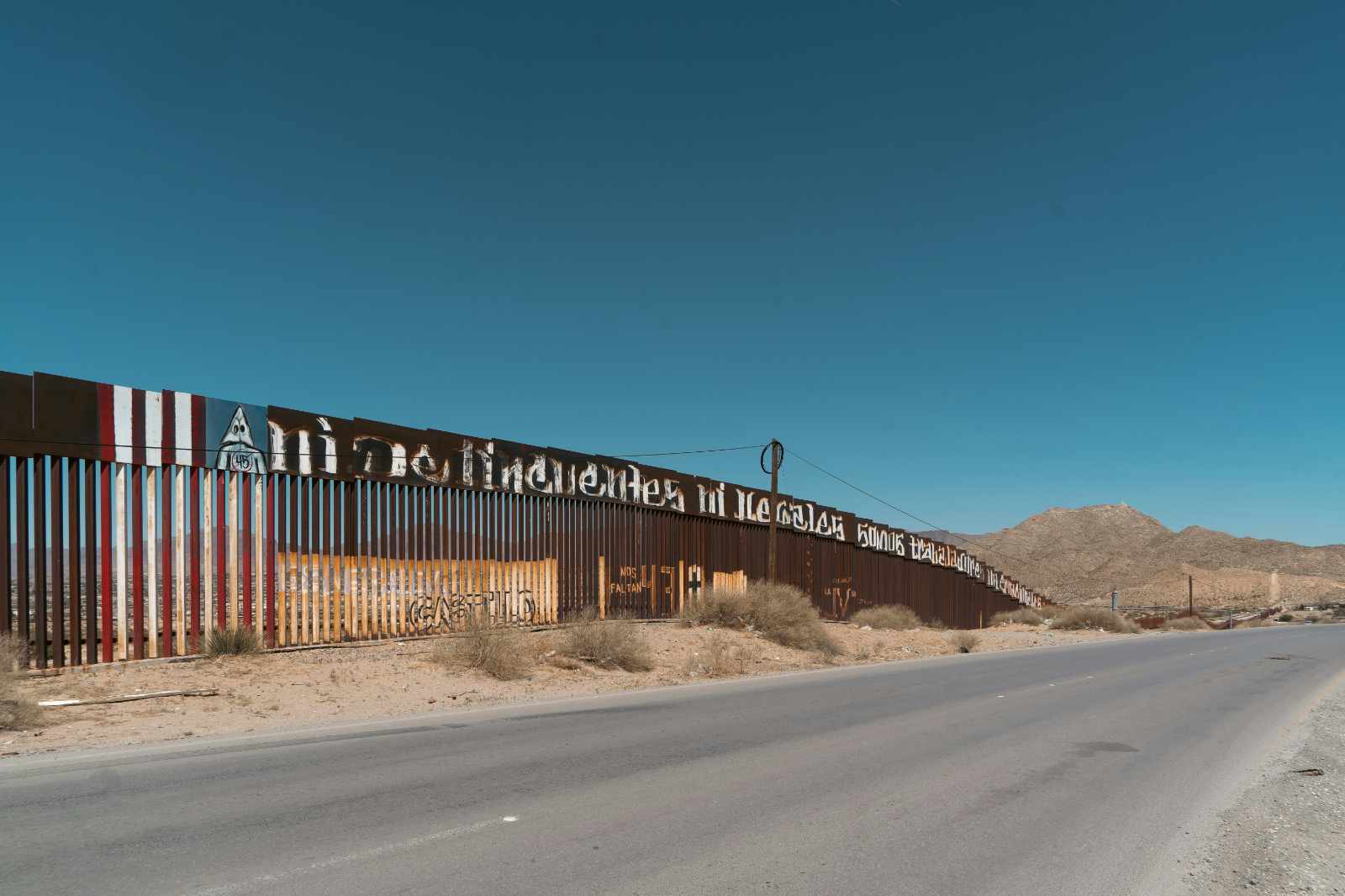
(UNITED STATES) The 2025 U.S. National Security Strategy under President Donald Trump makes one message painfully clear: “The Era of Mass Migration Is Over.” Immigration is no longer framed mainly as an economic or humanitarian tool. It is now placed at the center of national security, with border control and tight screening treated as vital defenses, similar to measures against terrorism or espionage.
For Indians, NRIs, and global aspirants who see the United States 🇺🇸 as a key study, work, or migration destination, this document signals a much tougher road ahead.
According to analysis by VisaVerge.com, the strategy links “unchecked migration” directly to security risks and social strain. The text states that who a country admits, in what numbers and from where, will shape that nation’s future. That line is not simply a slogan. It sets the tone for policy choices that could affect student visas, work permits, family immigration, and long‑term green card plans over the coming years.
National Security Strategy Recasts Immigration as a Security Risk
The new National Security Strategy (NSS) places immigration controls beside threats such as terrorism, drugs, human trafficking, and espionage. In this vision, strong borders are the “bedrock” of keeping the country safe.
This shift means:
- Stronger physical and digital borders at land crossings, airports, and seaports.
- Wider use of security vetting and background checks.
- More power given to agencies handling immigration enforcement.
The NSS stresses that “unchecked migration” must be stopped, not only at the southern border but across all entry points. While much public debate focuses on irregular crossings, the document also signals stricter checks on legal immigration routes, including work, family, and study visas.
Readers who want to see how the U.S. government itself explains immigration and enforcement priorities can review the Department of Homeland Security’s overview of immigration and border security on the official DHS website: Department of Homeland Security – Immigration and Citizenship.
From Globalism to Regional Power and Select Partners
Beyond immigration, the NSS marks a move away from broad “globalist” engagement. It favors:
- A tighter focus on the Western Hemisphere.
- Stronger control in the Indo‑Pacific.
- Deeper bilateral partnerships instead of wide, open global deals.
In this map of interests, India is called a “critical partner.” Washington sees New Delhi as central in countering China’s rise, building secure supply chains, and shaping new technologies such as AI, critical minerals, and clean energy tools. This could mean more joint projects in defense, chips, digital infrastructure, and advanced research.
However, the same strategy that praises India as a partner also says “The Era of Mass Migration Is Over.” There is no promise of special green card lines, softer border control, or extra H‑1B numbers for Indian citizens. The partnership is mainly strategic and economic, not yet immigration‑friendly.
Tighter Rules for Legal Immigration Channels
The hard line on unchecked migration is not limited to irregular border crossings. The NSS describes immigration as something to control strictly, not as a wide door to fuel growth.
Likely consequences include:
- More scrutiny of legal visa applications.
- Longer processing times due to deeper checks.
- Stricter rules and lower tolerance for mistakes or gaps in documents.
Although the NSS itself lists no specific law changes, the framing gives agencies political cover to push tougher policies across many categories:
- Work visas (H‑1B, L‑1).
- Student visas (F‑1 and certain J‑1 programs).
- Family‑based green cards.
- Asylum and humanitarian relief.
Many categories already require detailed evidence. For example, employers filing for H‑1B workers use Form I-129 (Petition for a Nonimmigrant Worker), which is available through U.S. Citizenship and Immigration Services (USCIS) at Form I-129 – Petition for a Nonimmigrant Worker. Under a security‑first strategy, such petitions may see more Requests for Evidence (RFEs) and stricter review of job roles, wages, and ties to U.S. “national interest.”
Common immigration forms and links
| Purpose | Form | USCIS link |
|---|---|---|
| Nonimmigrant worker petition | I-129 | https://www.uscis.gov/i-129 |
| Immigrant petition (employment) | I-140 | https://www.uscis.gov/i-140 |
| Adjustment of status/green card application | I-485 | https://www.uscis.gov/i-485 |
| Petition for alien relative | I-130 | https://www.uscis.gov/i-130 |
| Employment authorization | I-765 | https://www.uscis.gov/i-765 |
| Naturalization | N-400 | https://www.uscis.gov/n-400 |
Important: Under a security‑centered approach, expect more RFEs, longer waits, and closer examination of whether each case aligns with stated national security or economic priorities.
Impact on Students, Skilled Workers, and NRIs
Indian and Global Students
Indian students have long formed one of the largest groups on U.S. campuses. But under a strategy that says “The Era of Mass Migration Is Over,” even high‑skilled students could feel extra pressure.
Potential effects:
- F‑1 visa interviews may see closer questions on intent, funding, and plans after study.
- Programs involving AI, robotics, aerospace, cyber, and dual‑use tech may face deeper screening.
- Staying in the U.S. after graduation through Optional Practical Training (OPT) or STEM OPT could become harder if officials treat long stays as a possible security issue.
The usual student‑to‑worker path—F‑1 → OPT → H‑1B → green card—was already uncertain due to the H‑1B lottery and long backlogs. The NSS framing means students should expect even more risk and delay, and they should prepare backup options in other countries.
High‑Skilled Workers and U.S. Employers
For professionals, especially in tech and engineering, the NSS suggests a sharper “American workers first” stance. Employers may still file H‑1B or L‑1 petitions, but:
- RFEs and denials could rise as officers review if the job could be filled by someone already in the country.
- Wage levels and job duties may be checked more tightly to ensure they match the claimed specialty role.
- Intra‑company transfers on L‑1 visas may draw doubts if they look like ways to avoid U.S. hiring.
Employment‑based green cards, filed through Form I-140 (Immigrant Petition for Alien Worker) at Form I-140 – Immigrant Petition for Alien Worker, and later Form I-485 (Application to Register Permanent Residence or Adjust Status) at Form I-485 – Application to Register Permanent Residence or Adjust Status, may move slower or face stricter reviews where officers question whether each case supports the stated national goals.
NRIs, Family Immigration, and Long‑Term Stay
The NSS also touches family‑based immigration indirectly by rejecting high‑volume inflows. Indians and NRIs who counted on sponsoring close relatives should expect a more restricted and slower system.
Likely outcomes:
- New petitions for spouses, children, or parents (Form
I-130at https://www.uscis.gov/i-130) may undergo stricter checks for marriage or relationship fraud. - Extended family categories, already backlogged, could become even less realistic as practical routes for most families.
- Naturalization (Form
N-400) might see extra review of travel, tax, or security issues, even if basic rules stay the same.
NRIs in the U.S. on long‑term temporary visas will need to pay closer attention to status dates, employer changes, and travel, since a security‑led system tends to have less tolerance for small errors.
India as Critical Partner: What That Does—and Does Not—Change
The NSS gives India a high place in U.S. plans for the Indo‑Pacific. It talks of:
- Joint defense work and arms deals.
- Cooperation in supply chains, including chips and critical minerals.
- Shared growth in AI and emerging tech fields.
This focus could open special work and research programs tied to joint projects, such as defense manufacturing or semiconductor plants in India linked to U.S. partners. In those narrow spaces, visa officers may treat relevant workers more favorably.
Still, the broader message remains: Even citizens of key partner countries are not promised easier migration. The NSS is clear that border control and strict gatekeeping will apply across the board.
Any future perks for Indian nationals—such as special tech visas or faster processing for certain roles—would need separate agreements or new laws, which are not part of the current document.
Practical Steps for Aspirants Under a Restrictive Era
For Indians, NRIs, and other global citizens planning a U.S. move, this strategy calls for calm but realistic planning.
Re‑Plan Visa Pathways with Delays in Mind
Assume that:
- Processing will be slower, even for complete cases.
- Interviews may be tougher and more detailed.
- Extra evidence or second checks could become more common.
Action tips:
- Build extra time into plans for university start dates, job offers, or family moves.
- Keep copies of all past visas, entries, and legal records, since officers may look more closely at long‑term travel patterns.
Keep Employment Records and Status Clean
For those already in the U.S.:
- Track your I‑94 expiry and any change of status notices.
- Avoid lapses in work authorization; if you work on an employment authorization document, keep Form
I-765filings current (Form I-765 – Application for Employment Authorization). - Inform your employer early about travel or job changes that could affect your visa.
A security‑focused system tends to punish gaps and late filings more quickly, sometimes with bars on re‑entry.
Consider Parallel Options Beyond the United States
Because the NSS moves away from wide global openness, many advisers now suggest keeping at least one non‑U.S. path active, such as:
- Canada 🇨🇦 permanent residence streams.
- Work visas in Europe, the Gulf, or East Asia.
- Study in countries with clearer post‑study work rules.
For many Indian students and workers, this does not mean dropping U.S. goals, but avoiding an “all eggs in one basket” plan at a time when policy is shifting against large‑scale migration.
Global Trend: Security Before Mobility
The U.S. is not alone in tightening migration controls. The NSS fits into a wider move in which many countries:
- Cut back high‑volume migration routes.
- Tie work visas more closely to high wages and short stays.
- Treat border and visa policy as a frontline defense tool.
For global citizens, this means old ideas about open movement for skilled people are fading. People from countries seen as strategic partners, like India, may still have better chances than others, but they will still face more checks, more questions, and fewer automatic paths to stay.
The 2025 National Security Strategy marks a clear point where the United States says “The Era of Mass Migration Is Over” and puts border control and strict screening above broad openness.
For Indians, NRIs, and global aspirants, the message is to stay informed, keep documents strong, and treat U.S. plans as one part of a wider global strategy instead of the only path forward.
The 2025 National Security Strategy reclassifies immigration as a core national security concern, prioritizing border control, enhanced vetting, and interagency enforcement. Expect stricter screening across legal routes—student, work, and family visas—with more Requests for Evidence and longer processing times. India is emphasized as a strategic partner for defense, supply chains, and technology, but the document offers no preferential migration paths. Prospective migrants should prepare for delays, maintain clean records, and consider alternative international options.