Key Takeaways
- On February 19, 2025, federal authorities visited the New Mexico Training Center, highlighting increased immigration enforcement targeting industries like horse racing.
- New Mexico issued new guidelines opposing federal rollbacks on “sensitive areas,” clashing with aggressive enforcement under Trump-era immigration policies.
- Increased scrutiny on labor-intensive industries like horse racing signals heightened risks for undocumented workers and broader tensions over enforcement practices.
On February 19, 2025, the New Mexico Training Center became a focal point in immigration enforcement efforts. This event underscores the intensified focus on facilities connected to undocumented workers, particularly in industries like horse racing. While the specifics of the visit to the training center remain unclear, it reflects broader shifts in immigration-related policy and enforcement in New Mexico 🇺🇸.
Federal Enforcement Meets Local Context: A Changing Landscape
The visit to the New Mexico Training Center didn’t occur in isolation. It is part of a larger statewide dialogue on immigration enforcement that has recently gained momentum. Just weeks earlier, on January 22, 2025, New Mexico Attorney General Raúl Torrez issued a sweeping set of guidelines directed at local institutions in response to a federal order rolling back previous limitations on actions by Immigration and Customs Enforcement (ICE) and Customs and Border Protection (CBP). These previous restrictions protected “sensitive areas” like schools, churches, and hospitals from immigration enforcement activities.
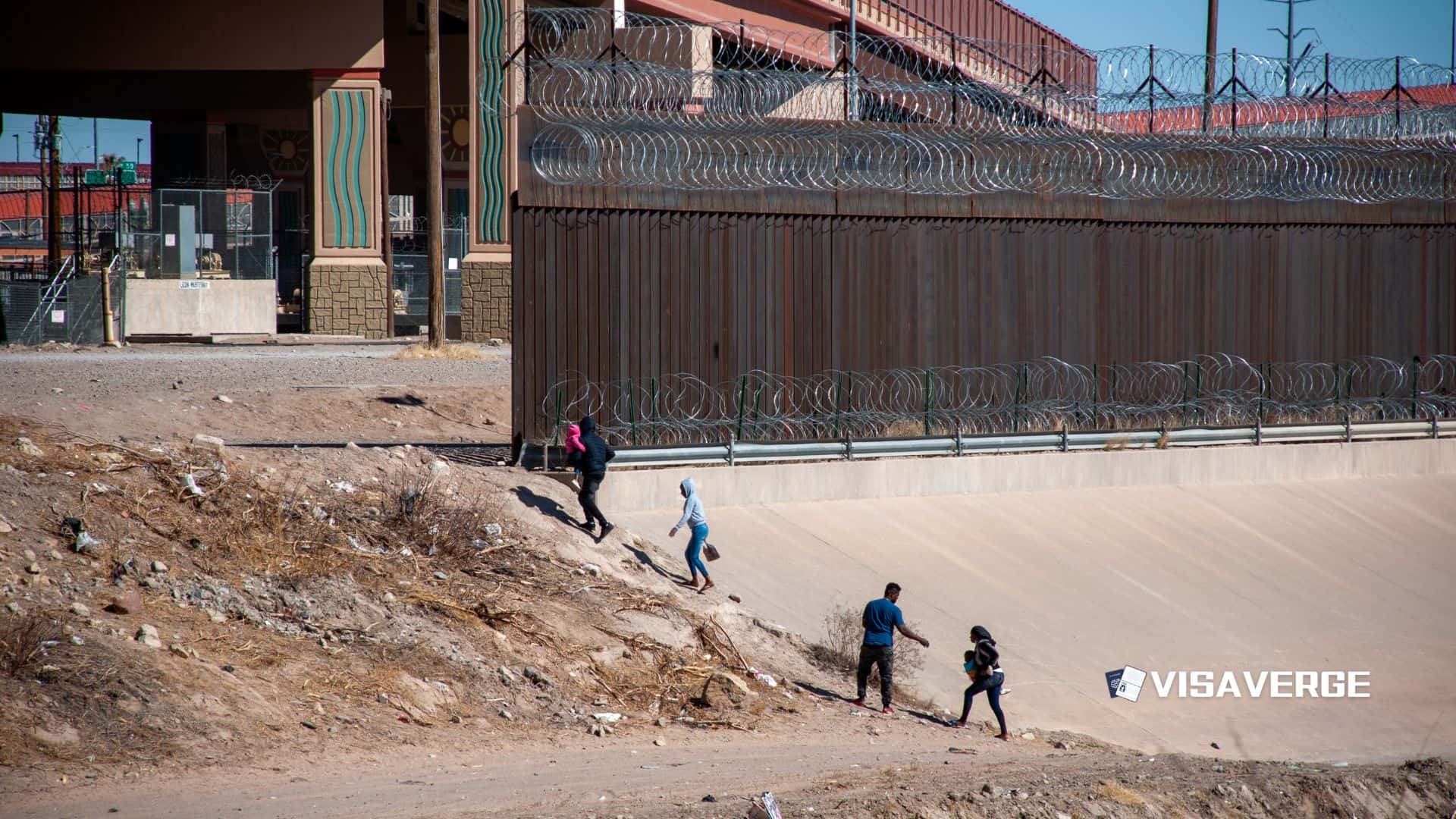
Attorney General Torrez voiced strong criticism of the federal order. He emphasized that enforcement actions in places like schools or healthcare facilities risk putting families in untenable positions where they might lose access to education and medical care. As he put it, “Disrupting these spaces can destabilize families, leaving them even more vulnerable than before.” He further highlighted the broader constitutional backdrop, referencing the Tenth Amendment, which prevents the federal government from forcing state agencies to execute federal laws or programs.
The federal changes stem from directives initiated under President Trump’s administration, with a revised focus on cracking down on undocumented immigration. Acting Deputy Attorney General Emil Bove issued a memo urging federal prosecutors to identify and combat state or local policies that “impede” federal efforts. This escalated scrutiny has unsettled local jurisdictions, including sanctuary cities like Albuquerque, whose Mayor Tim Keller reiterated the city’s resistant stance to federal immigration policies.
Federal Pushback and Legal Concerns
The evolving federal stance, which calls for aggressive enforcement and includes potential legal actions against state or local officials who resist, has sparked concerns among legal experts. Robert J. McWhirter, an immigration lawyer and constitutional authority, questioned the legality of compelling local law enforcement to assist federal authorities, calling such actions unprecedented in most areas of law enforcement. This federal pressure leans heavily on the Trump administration’s immigration policies, creating a rift with states and cities that support local governance and immigrant protections.
The intersection of immigration enforcement and labor has notably come under the spotlight at facilities like the New Mexico Training Center. New Mexico Attorney General Torrez highlighted that threats of federal overreach or prosecution aimed at state authorities distort the foundations of justice. This sentiment resonates strongly within the communities and industries that could be most affected by such actions.
The Horse Racing Industry Under Scrutiny
The horse racing industry in New Mexico 🇺🇸, including facilities like the New Mexico Training Center, has historically operated within industries often linked to undocumented labor. Federal authorities often scrutinize these sectors due to longstanding concerns over the employment of workers without proper documentation. Animals require care around the clock, and horse racing is labor-intensive, placing enormous demands on its workforce.
The connection between labor practices in horse racing and immigration enforcement remains significant. Similar facilities in the state have seen heightened monitoring in recent years. Although the Artesia Immigration Holding Center, a prominent detention facility in New Mexico, closed in December 2025, it was part of larger federal discussions on immigration. While not directly tied to horse racing, the closure showcased fluctuating strategies in dealing with immigrant populations. The targeted visit to a training center likely signals increased attention to industries reliant on labor pools that may include undocumented workers.
Implications for Immigrant Communities
For immigrant communities in New Mexico 🇺🇸, these enforcement actions create heightened anxiety. Local policies protecting undocumented residents clash with federal orders aiming for stricter deportation processes. Such opposition becomes evident in cities like Albuquerque, a sanctuary city committed to limiting cooperation with federal deportation efforts. While these changes may seem abstract to broader audiences, they hit home for immigrant workers who may rely on industries like horse racing to sustain their livelihoods and support families.
Many immigrant families, already operating at the margins, face compounded uncertainties from increased enforcement in workplaces and broader systemic pressures. Undocumented workers risk exploitation due to their precarious status, and stepped-up enforcement may disincentivize them from reporting abuses or unsafe working conditions out of fear of deportation.
Broader National Context and Public Sentiment
These developments in New Mexico convey trends seen elsewhere in the U.S. Data from recent public opinion polls suggests mixed reactions to intensified federal immigration enforcement. While many Americans support specific measures like increased border security, the idea of mass deportations or wide-ranging workplace raids garners less support. These nuances in public sentiment often create political challenges for enforcement agencies and elected officials navigating immigration policies at the state and city levels.
The directive from acting Deputy Attorney General Emil Bove signals a larger federal strategy tied closely to President Trump’s policy objectives, which differ significantly from the previous administration’s approach. This striking shift has prompted leaders in cities like Chicago, which have some of the most robust sanctuary policies in the nation, to dismiss the federal probes as largely symbolic gestures. In contrast, other jurisdictions have taken steps to reinforce their protections for immigrant communities.
Looking Ahead
The visit to the New Mexico Training Center raises important questions about the long-term sustainability of immigration enforcement measures targeting workplaces. How authorities balance federal directives with local resistance will likely shape outcomes in key sectors, including horse racing. The facility’s link to labor-intensive industries highlights the importance of revisiting labor policies that can protect workers while ensuring accountability within these sectors.
As reported by VisaVerge.com, federal gains in tightening immigration policy often clash with state priorities, igniting legal disputes over jurisdiction and enforcement responsibilities. These conflicts could intensify as directives from the Trump administration continue shifting priorities away from community-centered approaches.
The legacy of immigration enforcement’s dynamic history in New Mexico becomes clear in events like these. While the immediate details of the immigration visit remain sparse, its timing could reverberate through immigrant communities, employers, and policymakers. The horse racing industry, heavily reliant on labor, may find itself balancing scrutiny with operational demands to remain sustainable.
Conclusion
The recent immigration-related visit to the New Mexico Training Center showcases the growing complexities of federal immigration enforcement and its impact on specific sectors, including horse racing in New Mexico 🇺🇸. This event underscores ongoing tensions between federal priorities and local autonomy. Stakeholders in industries like horse racing are uniquely caught in the crossfire, with undocumented workers facing intensified vulnerabilities. For immigrant communities, these policies often represent challenges that go beyond legal interpretations—they reshape lives, livelihoods, and opportunities.
In the coming months, the intersection of industries like horse racing and immigration enforcement deserves closer attention. Both state-level advocates and federal authorities seem poised for further legal and operational battles, while immigrant workers and their families endure the lasting ripple effects of these changing policies. For official information on immigration enforcement laws and worker protections, readers can visit U.S. Citizenship and Immigration Services.
Learn Today
Immigration and Customs Enforcement (ICE) → A U.S. federal agency responsible for enforcing immigration laws and investigating immigration-related activities.
Sanctuary City → A city adopting policies limiting cooperation with federal immigration enforcement, aiming to protect undocumented residents from deportation.
Tenth Amendment → A U.S. constitutional provision stating powers not delegated to the federal government belong to states or the people.
Undocumented Workers → Individuals employed without legal authorization to work in a specific country, often vulnerable to exploitation.
Sensitive Areas → Locations like schools, churches, or hospitals previously protected from immigration enforcement under certain U.S. federal guidelines.
This Article in a Nutshell
Immigration Meets Industry: A Tense Intersection
The New Mexico Training Center’s recent federal visit highlights the collision of immigration policy and labor reliance in industries like horse racing. With undocumented workers vital yet vulnerable, enforcement intensifies. This raises urgent questions: Can labor-dependent sectors balance scrutiny with survival, and how will immigrant families navigate mounting uncertainties?
— By VisaVerge.com
Read more:
• New Mexico Visa Requirement for Peruvians Explained
• Mexico Plans to Sue Google Over Gulf of Mexico Being Renamed on U.S. Maps
• What is European VAT that Trump Targets in New Trade Policy Move
• ICE Detainees Moved to Border States in First Large Transfer Under New Policy
• Democrats Urge Trump to Drop 25% Tariffs on Canada and Mexico Ahead of Deadline