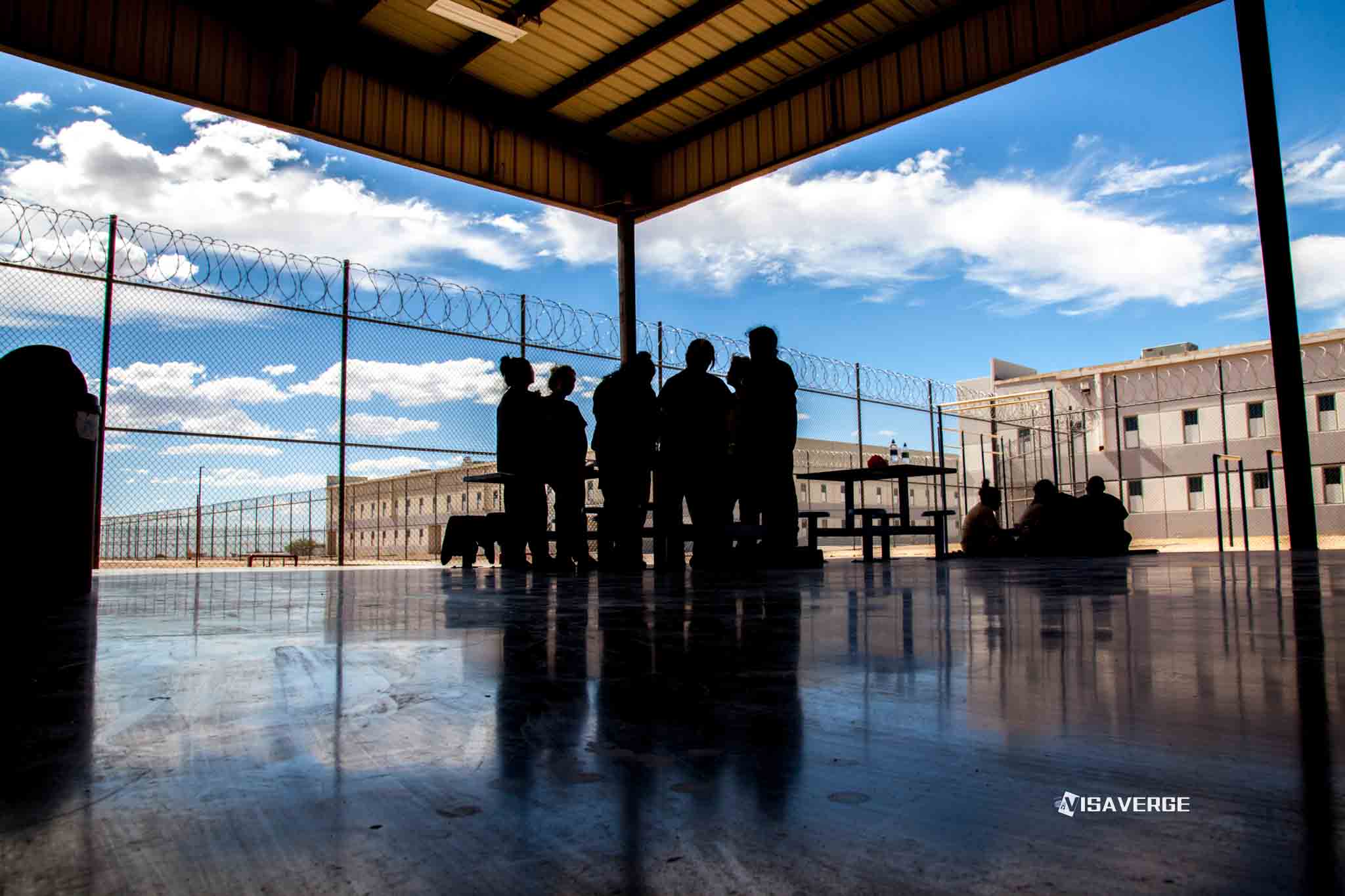
(WASHINGTON, DC) Immigrant rights groups and people in deportation proceedings filed a sweeping class action lawsuit in July 2025 to stop ICE courthouse arrests during immigration court hearings, arguing that federal officials are turning court dates into surprise detention traps that strip immigrants of basic due process protections. The case, Immigrant ARC v. Department of Justice, was brought in the U.S. District Court for the District of Columbia and targets both the Department of Homeland Security and the Department of Justice for coordinating arrests that plaintiffs say violate the Fifth Amendment.
Who filed the lawsuit and who it represents

The complaint was filed as case number 1:25-cv-02279 and represents:
- 12 noncitizens who were arrested at or immediately after their immigration court hearings.
- Legal service providers including Immigrant Advocates Response Collaborative (Immigrant ARC) and American Gateways.
Plaintiffs contend that government trial attorneys, instead of allowing cases to proceed, have abruptly asked immigration judges to dismiss proceedings, clearing the way for ICE officers waiting in hallways to take people into custody without warning.
Allegations and pattern of conduct
Advocacy groups say the pattern of ICE courthouse arrests has grown more aggressive in recent years. They describe hearings that should be routine becoming moments of crisis for families who arrive expecting a fair chance to present their cases.
Key allegations include:
- Many arrests occur after government lawyers ask for dismissal or termination of proceedings without fully explaining the consequences.
- Immigrants and their counsel are often left confused, separated from relatives, and suddenly locked in detention.
- The practice effectively punishes people for appearing in court and denies them a real chance to seek relief such as asylum or cancellation of removal.
Plaintiffs argue this practice violates due process under the Fifth Amendment, and that it has a chilling effect on the broader immigrant community—potentially causing people to skip court to avoid detention and risking in absentia removal orders.
Supporters and potential national impact
Powerful national organizations backing the case include:
- National Immigrant Justice Center
- Democracy Forward
- RAICES
- Lawyers’ Committee for Civil Rights of the San Francisco Bay Area
These groups allege a serious misuse of government power inside court buildings stemming from coordination between the Department of Homeland Security and the Department of Justice.
According to analysis by VisaVerge.com, the outcome could shape how safely immigrants feel about attending court across the country—especially in regions where local jails already work closely with federal immigration officers.
ICE policy context and detention issues
The lawsuit unfolds while ICE has adopted tougher internal policies on detention and bond, particularly for people labeled as “arriving aliens” or “applicants for admission” (those who entered without formal inspection).
- ICE prosecutors have argued in many cases that such immigrants are not eligible for bond hearings before immigration judges.
- The agency has pushed for automatic detention through the life of the case, pressuring detainees to accept quick deportation.
Despite these trends, immigration judges retain authority under federal regulations to set bond in many situations. Legal advocates urge detained immigrants to:
- Ask for bond reviews actively.
- Seek humanitarian parole when appropriate (health concerns, family ties, humanitarian factors).
Practical legal steps and recommendations
Attorneys recommend that immigrants in removal proceedings take concrete steps to ensure representation and protect their rights:
- Sign and file a G-28 Notice of Entry of Appearance as Attorney or Accredited Representative (Form G-28), available on the U.S. Citizenship and Immigration Services website as Form G-28.
Filing a G-28 requires the government and the court to communicate directly with the legal representative. -
Gather and bring documents demonstrating:
- Community ties
- Work history
- Medical needs
These materials can support arguments for release from detention if a judge agrees to hold a bond hearing.
Lawyers involved in the case emphasize that strong legal representation can make a major difference when ICE courthouse arrests occur. Counsel can:
- Challenge sudden moves to dismiss cases.
- Demand clarity on the record.
- Advise clients about the risks of agreeing to dismissal when ICE officers are present.
What the lawsuit seeks
The class action lawsuit requests that the federal court in Washington issue declaratory and injunctive relief that would:
- Bar coordination between Department of Justice court staff and Department of Homeland Security enforcement teams.
- Require clear notice to immigrants and their lawyers before any action that could lead to immediate arrest.
- Restore confidence that immigration court hearings are intended to decide legal claims—not to serve as pickup points for detention.
Important: The lawsuit is asking the court to ensure that immigration hearings remain forums for adjudicating claims for relief and not moments where attendance leads to detention.
Where to find more information
Guidance on immigration courts is posted by the Justice Department’s Executive Office for Immigration Review at Executive Office for Immigration Review.
In July 2025, Immigrant ARC and partner groups sued DHS and DOJ in D.C., alleging ICE coordinated surprise arrests during immigration hearings, targeting 12 noncitizens and claiming Fifth Amendment violations. Plaintiffs contend prosecutors request dismissals, allowing ICE officers waiting outside to detain people without notice. The suit seeks orders barring interagency coordination, requiring clear notice before arrests, and restoring courts as forums for adjudication. Advocates recommend filing Form G-28, seeking bond reviews, and documenting community and medical ties to support release.