- President Trump nominated Markwayne Mullin to lead Homeland Security following Kristi Noem’s reassignment.
- Governors in Illinois and Minnesota vow continued investigations into federal immigration enforcement tactics.
- The transition occurs amidst legal clashes over immunity for federal agents operating in Midwestern cities.
(ILLINOIS, MINNESOTA) — President Donald Trump moved Kristi Noem out of the Department of Homeland Security and nominated Senator Markwayne Mullin to lead the agency, setting off a new phase of conflict with Democratic governors demanding accountability for immigration enforcement.
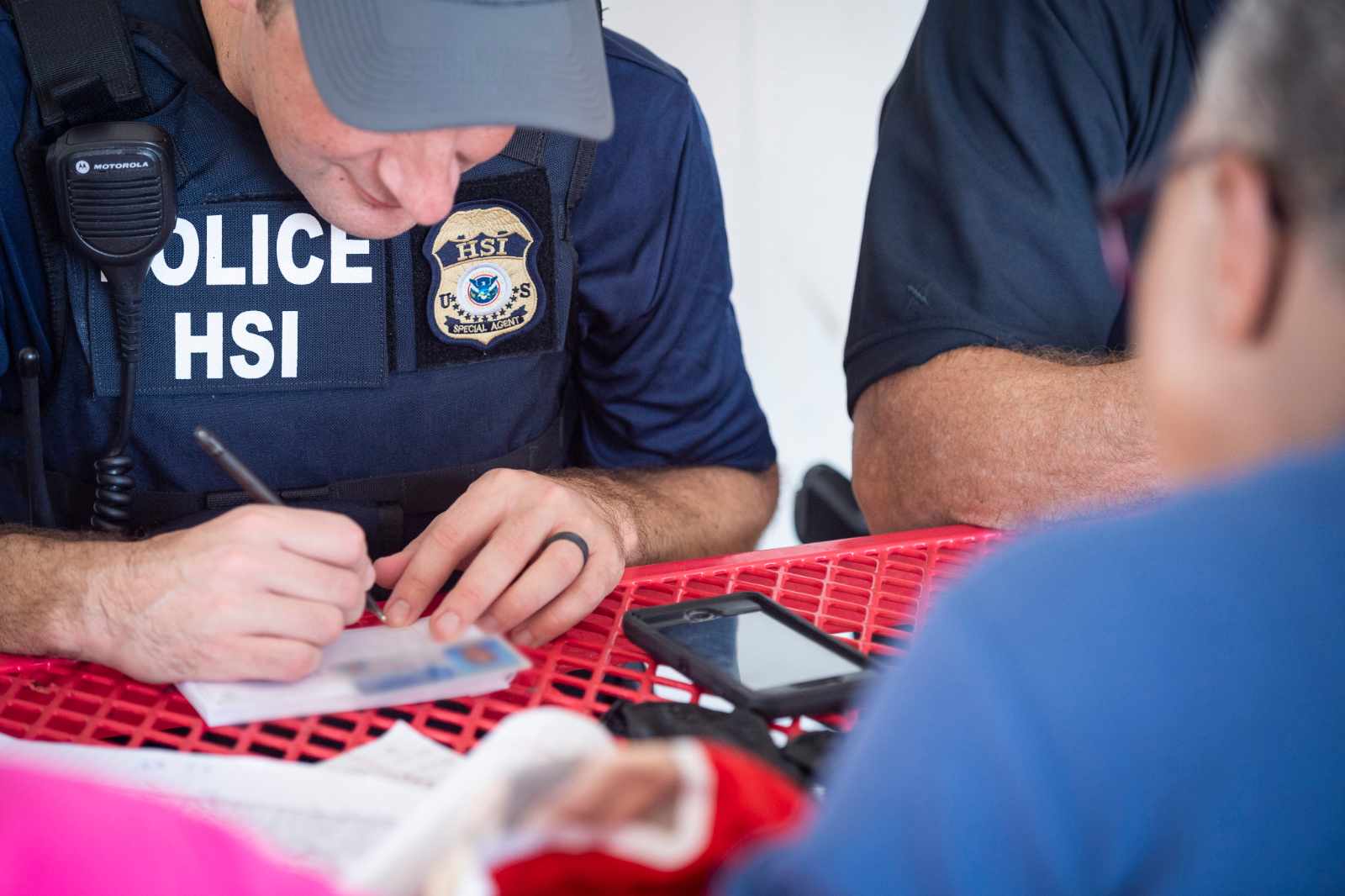
Illinois Governor JB Pritzker and Minnesota Governor Tim Walz said they will keep pressing investigations and scrutiny tied to federal operations in Chicago and Minneapolis-St. Paul, even as DHS argues its officers are protected when acting within official duties.
Trump announced on March 5, 2026, that Mullin, a Republican from Oklahoma, will be nominated as the 9th Secretary of Homeland Security, effective March 31, 2026, while Noem takes a new diplomatic role linked to a regional anti-cartel initiative.
“I am pleased to announce that the Highly Respected United States Senator from the Great State of Oklahoma, Markwayne Mullin, will become the United States Secretary of Homeland Security (DHS). The current Secretary, Kristi Noem. will be moving to be Special Envoy for The Shield of the Americas,” Trump said in the social media post.
Senior DHS officials followed with a transition message on March 6, 2026, instructing components including USCIS, ICE and CBP to “continue without interruption,” signaling continuity in the department’s posture during the handover.
The leadership change lands amid public scrutiny of federal operations in large Midwestern metro areas, with governors in Illinois and Minnesota framing enforcement actions as a civil-rights issue and DHS casting state involvement as interference with federal authority.
Pritzker has pushed the Illinois Accountability Commission to continue examining federal actions linked to “Operation Midway Blitz” in the Chicago area, in a process designed to build a public record, assess community impact and recommend policy responses.
Fox News reported that Pritzker accused Noem of overseeing excessive force and harmful enforcement tactics, and said her departure should not shield anyone from scrutiny.
The Illinois commission has already collected testimony and public submissions about alleged misconduct during federal operations, Fox News reported, as the governor’s office signaled the state will keep pressing for answers.
Walz has argued that accountability remains necessary over immigration actions in Minnesota, particularly after controversial enforcement activity and fatal incidents involving anti-enforcement demonstrators.
Minnesota’s governor urged senators to slow DHS leadership changes until Minnesota officials receive greater involvement in related investigations, keeping pressure on Washington as the department prepares to shift leadership.
DHS pushed back, with a department spokesperson telling Fox News that what Pritzker is attempting is unlawful and that federal officials acting in the course of their duties are immune from liability under state law.
The department also pointed to arrests of noncitizens with serious criminal records to defend operations, aligning the administration’s argument that enforcement actions target public safety and border-related priorities.
Former DHS spokesperson Tricia McLaughlin has described state efforts to block federal enforcement as “unconstitutional,” as DHS officials cite Supremacy Clause protections for federal officers acting within the scope of their duties.
The clash sets up a practical fight over information-sharing, hearings and cooperation on the ground, as states seek records and testimony while DHS insists federal authority limits what state bodies can compel.
In Illinois, that conflict has extended into legislative steps aimed at restricting how immigration arrests occur in sensitive locations, with DHS warning such approaches could collide with federal immunity arguments.
The push and pull comes as federal operations in Chicago and Minneapolis have become focal points for broader arguments about the methods and reach of immigration enforcement, including how agents operate in neighborhoods and during targeted sweeps.
Noem’s departure also follows a period in which the administration promoted an enforcement surge and highlighted high-profile operations, while critics pointed to alleged misconduct and escalations in confrontations tied to anti-enforcement protests.
Noem’s reassignment makes her Special Envoy for the “Shield of the Americas,” a new security initiative focused on the Western Hemisphere.
The initiative’s first summit took place on March 7, 2026, in Miami, with leaders including Javier Milei of Argentina and Nayib Bukele of El Salvador participating in discussions aimed at coordinating anti-cartel and anti-migration efforts.
Supporters of the DHS approach have argued that aggressive tactics are necessary to reassert control over immigration law enforcement, while state leaders and immigrant-rights advocates argue raids and force-heavy tactics can violate civil liberties and destabilize communities.
The conflict has also played out in day-to-day decisions by local agencies, including whether to cooperate with federal detainers, share jail information, or provide logistical support during operations.
For immigrant communities, the confrontation does not itself change visa rules, green card processing, F-1 or H-1B requirements, or naturalization policy, but it can shape how enforcement is experienced in neighborhoods and workplaces.
Federal posture can influence how safe immigrant communities feel and how aggressively citywide operations are pursued, while also shaping future court fights, congressional oversight and state-level legal responses.
Two fatal shootings in Minneapolis in January 2026 intensified scrutiny in Minnesota, after federal agents killed Renee Nicole Good and Alex Pretti, according to the information cited in the leadership-transition briefing.
Those deaths became central to state-level accountability demands, with Walz and other Minnesota officials arguing for independent review and greater state involvement as federal agencies defend their actions.
The transition has also unfolded amid debate over a federal advertising campaign promoting voluntary departure, which drew criticism as a use of taxpayer funds and praise from supporters who framed it as a deterrence and compliance tool.
Allegations of oversight friction added another layer, including claims of “systematic obstruction” involving the DHS Inspector General across at least 11 internal investigations, as critics argued the department resisted scrutiny and DHS defended its legal posture.
Those controversies intersect with the Illinois commission’s public-record-building mission and Minnesota’s demands for investigative access, creating a split-screen fight over transparency, jurisdiction and accountability.
Even without a direct change to immigration statutes, the leadership shift could affect how DHS communicates and how it manages a political environment in which governors openly challenge federal tactics.
The transition also places Mullin at the center of congressional optics around immigration enforcement, as lawmakers weigh confirmation politics while states signal they will keep spotlighting operations conducted under Noem.
Supporters of the shift have framed Noem as a high-profile messenger for the administration’s agenda, while describing Mullin as a more effective manager of the federal machine, though DHS has already emphasized continuity in operations.
Walz used sharper language about the outgoing secretary’s legacy, saying Noem did a “stunning amount of damage,” in remarks cited alongside the governors’ continued push for accountability.
In Illinois, the legal exposure debate includes the design of statutory-damages frameworks that can affect arrest practices and litigation risk, including a provision that sets damages at $10,000 for civil arrests at courthouses under Illinois HB 1312.
DHS has maintained that Supremacy Clause protections shield federal officers acting within official duties, setting up a direct clash if state laws attempt to impose penalties or open new avenues for lawsuits tied to immigration arrests.
Conflicting directives can also affect state and local officers, who may face community pressure and state legal constraints while fielding requests from federal agencies during operations.
The leadership change comes alongside continued uncertainty for some immigrants with temporary protections and for recipients of programs targeted by enforcement initiatives.
Noem moved to terminate Temporary Protected Status for Somalia, Yemen, and Haiti, though a federal court stayed the Haiti termination on February 2, 2026.
DHS also confirmed enforcement actions involving DACA recipients in late February 2026, a detail that added to concerns among immigrant advocates and state officials about how protected groups could become entangled in enforcement operations.
Even as governors focus on accountability and civil-rights claims, employers and immigration stakeholders have watched for signs of operational continuity in high-volume adjudications and screening standards.
The department’s “continue without interruption” instruction signaled that asylum screening posture and employment-based processing realities remain under agency control during the transition, even as some outcomes depend on courts and Congress.
Business immigration has also remained a point of concern, with stakeholders expecting continuity that includes high H-1B fees, as DHS and related agencies maintain existing approaches through March 31, 2026, and beyond.
The federal-state clash is unlikely to disappear in sanctuary-leaning jurisdictions, where governors and mayors have built policy frameworks that limit cooperation and invite litigation over the boundaries of federal authority.
Illinois and Minnesota officials have argued their efforts aim to document conduct, deter future harm, and secure transparency for communities that experienced enforcement operations up close.
DHS has argued the opposite, framing state involvement as unlawful interference with federal responsibilities and emphasizing legal protections for officers carrying out their duties.
As the nomination advances and Noem takes on the “Shield of the Americas” portfolio, Walz and Pritzker have signaled they intend to keep the spotlight on immigration enforcement tactics, with Walz’s assessment of “stunning amount of damage” hanging over the transition.