

Federal officials said an Immigration and Customs Enforcement officer was bitten during an arrest attempt in Louisiana, an incident the Department of Homeland Security described as a violent assault by an undocumented man it calls a “criminal illegal alien.” DHS identified the suspect as Maximiliano Perez-Perez and said the officer’s hand was bitten hard enough to break the skin and draw blood. The agency released photos of the wound and said Perez-Perez now faces an assault charge connected to the struggle, which DHS said unfolded as officers tried to take him into custody late Thursday, according to the agency.
Description of the encounter
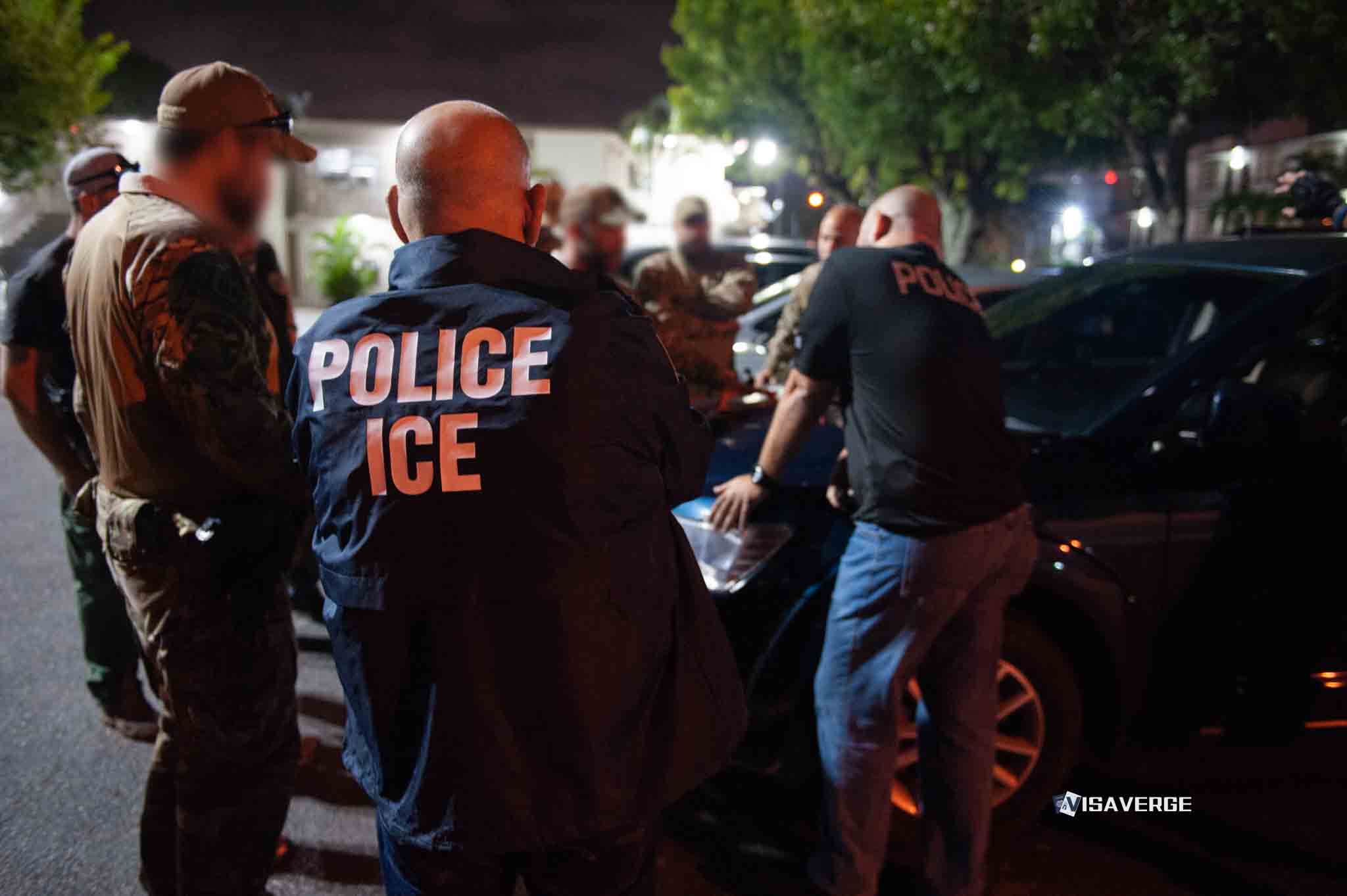
DHS said Perez-Perez tried to run as officers moved in, then shoved them during the confrontation. The agency said he “used his teeth as a weapon and clamped down on an ICE officer’s hand,” leaving the officer bleeding before he could pull free.
The agency did not name the officer or say how long treatment took after the bite. Perez-Perez now faces an assault charge related to the struggle.
“This criminal illegal alien is being charged with assault after he savagely bit a law enforcement officer in an attempt to evade arrest,” said DHS Assistant Secretary Tricia McLaughlin, calling the biting a “gross” and “vicious” attack.
DHS released photos of the wound to illustrate the injury.
Immigration status and proceedings
DHS said Perez-Perez entered the United States 🇺🇸 “without inspection or parole,” a phrase used for people who crossed the border and were not formally admitted. Such allegations typically place a person into removal proceedings.
- DHS did not provide details about any pending immigration case or prior convictions.
- The release did not say whether Perez-Perez had filed applications (for example, asylum) that might affect his ability to remain.
For general information about ICE’s enforcement responsibilities and public safety missions, DHS pointed readers to its official site at ICE.
DHS context and broader claims
The news release framed the bite as part of a broader spike in attacks on DHS personnel this year. DHS made several claims and linked the incident to larger trends:
- DHS said assaults against its law enforcement have increased 1,150%.
- DHS said death threats against DHS staff have increased 8,000%.
The agency did not provide a time window or raw counts in the release, but it listed examples of aggressive behavior it says are on the rise, including biting, spitting, and vehicle rammings.
DHS blamed what it called “sanctuary politicians” for “encouraging illegal aliens to evade arrest,” and urged “sanctuary politicians, agitators, and the media to turn the temperature down.” McLaughlin also cited webinars that, in DHS’s account, offer tips on how to defy ICE operations.
Political and policy implications
Incidents like the one involving Maximiliano Perez-Perez are often cited by DHS when it presses Congress for funding and asks local leaders to cooperate with detention and deportation work.
DHS’s argument:
– When local governments limit assistance to federal immigration agents, ICE must do more arrests in the field.
– Field arrests, the department argues, can happen with less warning and more tension, increasing risks to officers.
Counterarguments from supporters of sanctuary-style policies:
– Such policies can help victims and witnesses report crimes without fear of immigration consequences.
– They argue public safety can suffer when communities avoid contact with police.
The DHS release did not directly address these counterarguments in the Louisiana case.
Legal paths after the encounter
Civil (immigration) and criminal processes can move on separate tracks after a violent encounter during an immigration arrest.
- Local or federal prosecutors may bring criminal charges such as assault when an officer is harmed.
- Immigration authorities can pursue removal based on unlawful entry or other grounds regardless of criminal proceedings.
DHS said Perez-Perez entered without inspection or parole but did not specify whether he had counsel at the time of the arrest or whether he had filed any legal claims (e.g., asylum).
Community impact, rights, and reactions
For immigrant families in Louisiana, reports of violence during enforcement can increase fear on multiple fronts:
- Officers may worry about ambushes or attacks during operations.
- Mixed-status households may fear that any contact with police could lead to detention.
Advocates emphasize that people have rights during immigration encounters, including the right to remain silent and the right to speak to a lawyer. However, those rights do not include physically resisting an officer; allegations such as biting can quickly transform an immigration case into a criminal one.
Immigration lawyers often advise clients to comply peacefully during encounters and raise legal challenges later in court, because resisting arrest can lead to additional charges and complicate bond.
Analysis by VisaVerge.com notes that incidents like this often shape local cooperation debates more than other arrests that draw attention.
DHS messaging and community responses
DHS said it is tracking a rise in threats directed at its workforce and used the Perez-Perez case to argue that hostility toward agents is spreading beyond protests into direct attacks. The agency pointed to online sessions it said teach people how to interfere with arrests and asked political leaders and commentators to stop promoting those ideas.
- Federal agencies have previously warned that misinformation about raids can cause panic.
- Immigrant rights groups say they share preparedness tips so families can plan for childcare and legal help if someone is detained.
Critics of DHS messaging say repeated use of terms like “illegal aliens” and similar language can inflame divisions and rhetoric.
Case status and next steps
Officials did not say when Perez-Perez will appear in court or where the assault charge will be filed. Immigration and criminal processes can proceed simultaneously, and custody decisions may be made while removal proceedings continue.
DHS said the officer received treatment and that the investigation into the Louisiana arrest remains open.
Tricia McLaughlin’s statement framed the bite as a warning about the risks officers face during arrests and tied those risks to policies that limit cooperation with ICE. Opponents say most immigrants never attack officers and that such rhetoric fuels fear.
If you want more information about ICE’s mission or enforcement responsibilities, see DHS’s ICE site at ICE.
An ICE officer in Louisiana suffered a hand injury after Maximiliano Perez-Perez allegedly bit the officer during an arrest; Perez-Perez faces an assault charge. DHS published photos and called the incident part of a wider rise in attacks on its employees, citing percentage increases without raw data. Officials linked the case to policy debates over local cooperation with federal immigration enforcement. Criminal and immigration processes are expected to proceed concurrently as investigations continue.


