(MINNEAPOLIS, MINNESOTA) U.S. Representative Ilhan Omar is pressing the Department of Homeland Security (DHS) for answers as federal immigration officers prepare a focused enforcement push in Minnesota that, according to people briefed on the plans and witness accounts cited by her office, is aimed largely at Somali immigrants in the Twin Cities with final deportation orders.
Omar’s letter and the allegations

In a letter sent Friday to DHS, Omar said her constituents have reported ICE activity that they believe amounts to “blatant racial profiling” and “an egregious level of unnecessary force” during what officials have described internally as Operation Metro Surge.
Omar asked the department to explain:
- what rules agents are using,
- how they are choosing who to stop, and
- what steps will be taken to prevent residents who have legal status from being swept into enforcement actions.
A source familiar with the plans said the operation is expected to concentrate on people who have already gone through immigration court proceedings and received final removal orders from immigration judges — meaning they have exhausted their legal options.
Community impact and fears
Even when enforcement is directed at people with final orders, immigrant advocates say the fear spreads well beyond those individuals. When large teams of federal agents move through neighborhoods, anxiety affects:
- families,
- workers, and
- students
who worry that a traffic stop, a knock at the door, or a workplace visit could change everything.
Omar framed her concerns around reports from witnesses who say agents used aggressive tactics while stopping people who appeared to be Somali or Muslim. Her letter describes residents who said they were questioned in public places, asked for papers without clear cause, or saw people pushed to the ground and handcuffed in front of relatives. Omar did not name the witnesses in the letter, but she said the stories are consistent enough that DHS must respond with clear facts about the operation’s goals and safeguards.
ICE public stance and local frustration
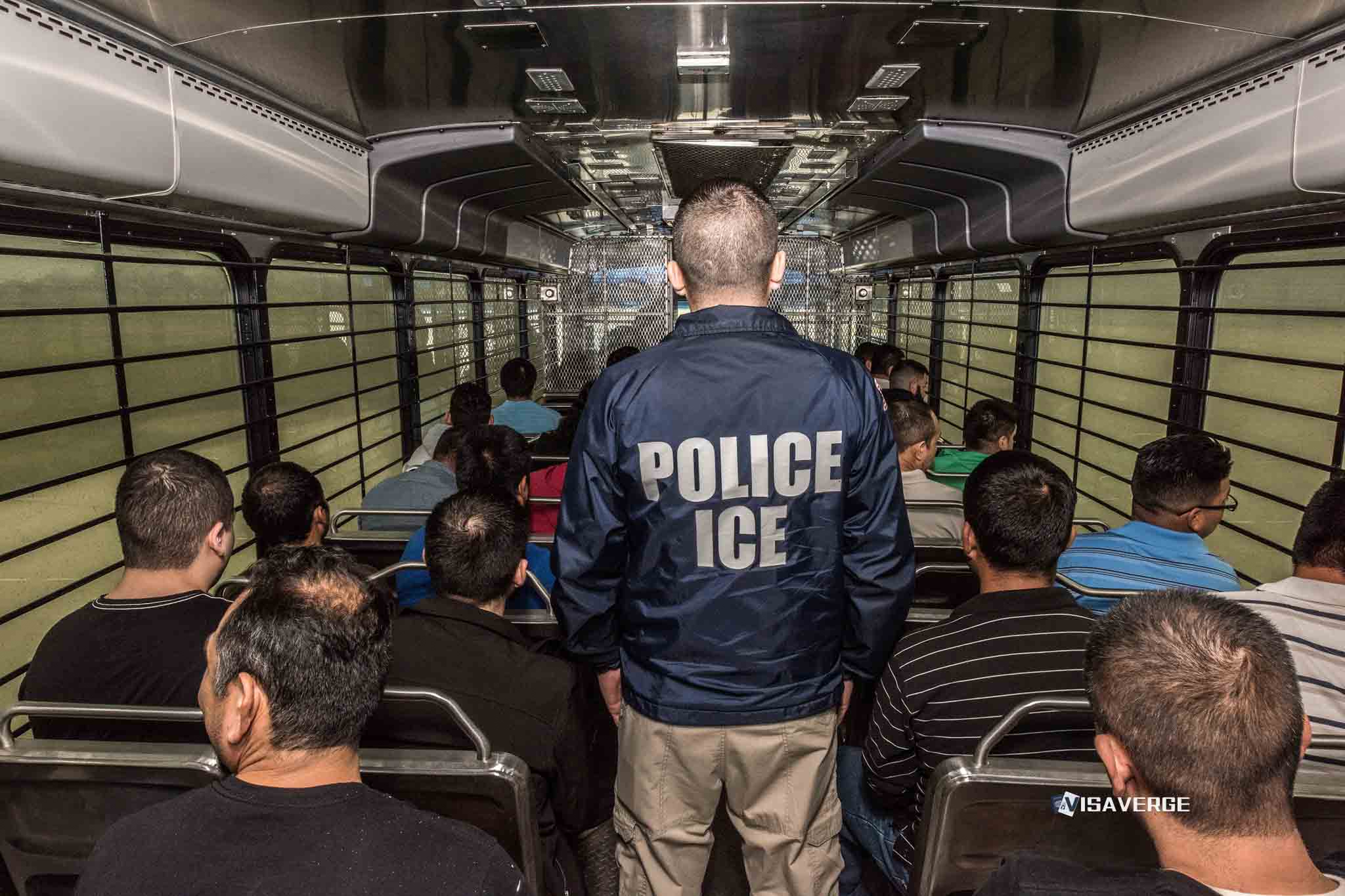
ICE, a component of DHS, has not publicly released details of Operation Metro Surge. The agency generally says its officers focus on people with final orders, certain criminal convictions, or threats to public safety, and it also says it is bound by rules that bar discrimination.
- For the agency’s public description of its work see: U.S. Immigration and Customs Enforcement
Local leaders in Minnesota say broad, general statements do not help when residents are hearing about raids and seeing vehicles near apartment buildings.
National context and related policy moves
The timing of the planned surge intersects with broader Trump administration moves that have shaken immigrant communities nationwide. The same source familiar with the Minnesota effort said the crackdown fits within a wider posture of tighter screening and faster removals.
Key national developments cited:
- Reuters reported the administration has paused certain immigration applications, including green cards and citizenship, for nationals from 19 countries under a June 2025 expansion of a travel ban that includes Somalia and Haiti.
- The administration has also suspended asylum cases nationwide and halted processing for Afghans.
These national policy shifts affect local communities because many families have members at different points in the immigration system simultaneously.
How these policies affect Somali families in Minnesota
For Somali immigrants in Minnesota, the national backdrop matters because family networks often include:
- one person who is a U.S. citizen,
- another waiting on a green card, and
- a cousin fighting an asylum case.
When policies shift in Washington, effects reach Minneapolis quickly through these tight community networks. Community organizer Abdi Farah said he has been fielding calls from families after reports of ICE activity:
“People are scared to go to work. Even those with papers think, what if they stop me anyway?”
Farah’s comments echo what immigration lawyers often hear during enforcement pushes: fear changes daily life long before any arrest happens. Consequences may include:
- parents keeping children home from school,
- workers skipping shifts, and
- victims and witnesses avoiding contact with police.
Omar’s letter argues these ripple effects are not accidental. She urged DHS to lay out, in writing:
- how agents are instructed to treat bystanders,
- how complaints can be filed, and
- what accountability follows if officers violate policy.
Legal technicalities and practical advice
Because the operation is said to target people with final deportation orders, immigration attorneys in Minnesota are warning families to:
- check whether they or a loved one might have missed a court notice or deadline,
- verify the status of any pending appeals or notices, and
- confirm delivery of hearing notices (change of address can cause missed notices).
Notes on how final orders can arise:
- A person loses in immigration court and an appeal window passes.
- A person fails to appear and a judge issues removal in absentia.
In practice, many people learn they have a final order only after a background check or an unexpected arrest. VisaVerge.com reports that surges like this can expose old paperwork mistakes that were hidden for years, especially for people who moved and never received a hearing notice.
Competing pressures and political dynamics
DHS faces competing pressures:
- Republican officials and some victims’ groups argue that deportation orders mean little if not enforced, and that delays weaken trust in the law.
- Civil rights advocates warn that aggressive street-level tactics can lead to wrongful stops and needless harm, especially if agents rely on appearance, language, or neighborhood to decide who to question.
Omar’s use of the terms “blatant racial profiling” and “an egregious level of unnecessary force” signals she is prepared for a public fight if DHS does not provide a detailed reply.
Community guidance and next steps
For now, community groups in Minnesota are urging calm while advising residents to:
- Document encounters with ICE or federal agents (date, time, names/badges if possible, witnesses).
- Seek legal advice quickly if a family member is detained.
- Keep copies of any immigration paperwork in a safe place.
- Ensure trusted relatives know how to reach a lawyer.
Omar’s office said it will continue to collect accounts of encounters tied to Operation Metro Surge and will share them with federal oversight bodies as it presses DHS for answers in the days ahead.
Rep. Ilhan Omar asked DHS to explain Operation Metro Surge, an enforcement push in Minnesota reportedly targeting Somali immigrants with final removal orders. Witnesses allege racial profiling and excessive force. ICE has not detailed the operation; it says agents focus on people with final orders or criminal histories. Community leaders report widespread fear affecting families, work and school. Omar demands clarity on rules, selection criteria, protections for bystanders, complaint filing, and accountability as national policy shifts increase local uncertainty.