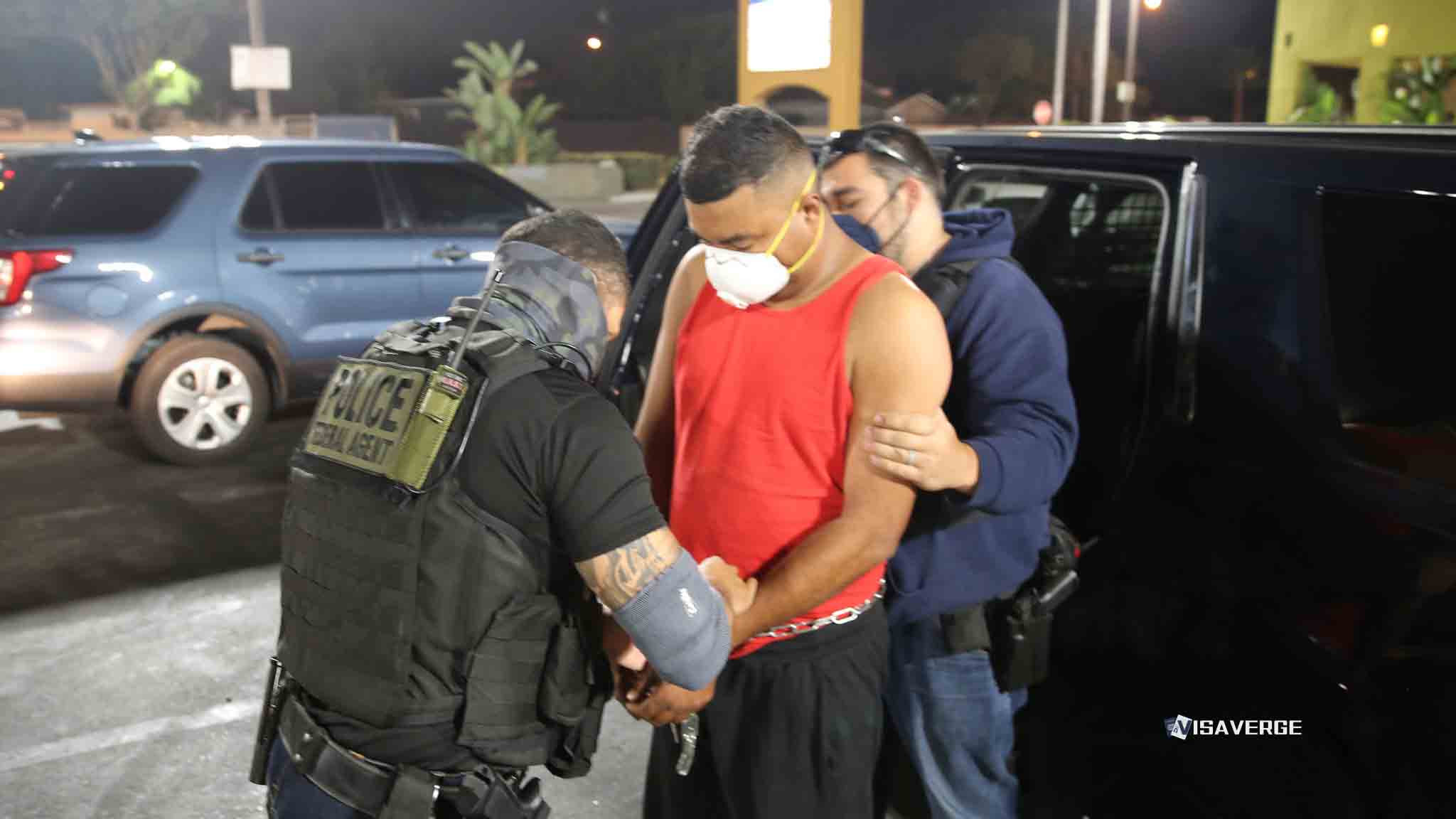
(EAGLE, IDAHO) A small-town bar’s promise of free beer for tips that help federal agents deport undocumented immigrants has drawn in the Department of Homeland Security (DHS), alarmed immigration advocates, and turned a local promotion into a national flashpoint over citizen involvement in enforcement.
The promotion and the bar’s message

Old State Saloon, a bar in Eagle, Idaho, announced on social media that it would give a full month of free beer to “anyone who helps ICE identify and deport undocumented immigrants.”
The bar told followers that if their tips led to multiple deportations, they could receive multiple months of free drinks, framing the offer as an open-ended reward for repeated cooperation with U.S. Immigration and Customs Enforcement.
The unusual promotion might have stayed local if not for the reaction from Washington. DHS reposted the bar’s offer on its own social media account, pairing it with a surprised GIF from the 1990s TV show Dinosaurs. The repost was widely read as at least amused approval. Old State Saloon quickly replied, “Let’s go! Deport them all!” — embracing the attention and doubling down on its message.
Timeline of key events
- Old State Saloon posts the promotion offering a full month of free beer for tips leading to deportations.
- DHS reposts the offer on its social media with a GIF from Dinosaurs.
- The bar publicly praises at least one person — Ryan Spoon — as a “success story.”
- National attention grows, drawing praise from some conservative circles and criticism from legal and human-rights groups.
Reaction from federal agencies
- DHS’s repost is striking because federal agencies usually keep distance from private promotions tied to enforcement, especially those that reward people for informing on neighbors and coworkers.
- As of now, DHS has offered no formal explanation beyond the share and GIF, and the agency has not clarified whether it vetted the offer before amplifying it.
- ICE, which routinely accepts public tips through its national tip line and online forms, has not responded to media questions about the bar’s campaign or confirmed any arrests linked to it.
Bar owner’s defense
Bar owner Mark Fitzpatrick has defended the campaign, insisting that customers are not acting as vigilantes. He has stressed that participants are only passing information to law enforcement and not making arrests themselves. From his point of view, the promotion simply encourages people to report what he calls “illegal activity,” with free beer as an extra push.
The bar has already highlighted one case as a success story, publicly praising Ryan Spoon, vice chair of the Ada County Republican Central Committee, saying he helped ICE with an arrest and had earned his month of free drinks. That public shout-out linked local party politics to the offer and showed the bar wants to make examples of people who play along.
Support and criticism
Supporters:
– Many supporters, particularly from conservative and MAGA circles, have cheered the bar’s stance.
– In comments and reposts they call the deal patriotic, efficient, and fun, arguing it turns everyday customers into extra eyes and ears for ICE.
– For them, the bar’s “Deport them all” rallying cry fits with a broader push for tougher immigration enforcement that began under President Trump and continues to influence election-year rhetoric.
Critics:
– Immigration attorneys and human-rights groups say a barroom reward system for deportations crosses ethical lines and could create real harm.
– Boise immigration lawyer J.J. Despain warned that paying people to report suspected undocumented immigrants is “a slippery slope,” stressing that “ICE already has the job of enforcement and may not want random civilians involved.”
– Legal specialists say tips driven by beer rather than public safety can lead to false reports, racial profiling, and personal vendettas disguised as patriotism.
The Wassmuth Center for Human Rights, an Idaho group focused on combating hate and bias, condemned the bar’s social media posts. The center said the offer “dehumanizes people and divides our communities,” arguing that tying someone’s possible deportation to a month of free beer treats immigrants’ lives and families as a game or contest. Advocates note that deportation can separate parents from children and send people back to countries where they fear violence or persecution.
Bar’s response to backlash
Old State Saloon has responded to criticism with defiance. After a flood of negative online reviews, the bar’s social media accounts mocked opponents as left-wing activists who do not understand border security. Rather than backing down, Fitzpatrick and his supporters have framed the backlash as proof that they are “over the target” and standing up for stricter immigration controls.
“Let’s go! Deport them all!” — Old State Saloon (social media reply)
How tips to ICE normally work
Normally, members of the public can share information with ICE anonymously through the agency’s online tip form, which asks for details about suspected immigration or customs violations. That process is meant to be neutral and not connected to private rewards, lotteries, or contests.
The Idaho offer adds a layer of alcohol and public recognition that immigration lawyers say could undermine trust in law enforcement, especially in mixed-status communities where U.S. citizens and undocumented people share households.
Context: enforcement trends and community impact
- The promotion is unfolding against the backdrop of an ICE enforcement push that began under President Trump, when the administration reported record deportations and arrests, including many people with no criminal convictions.
- Even though policies have shifted under President Biden, many mixed-status families still live with the fear that a traffic stop, workplace inspection, or neighbor’s phone call could lead to removal proceedings.
For immigrants in Idaho, especially those without legal status, the idea that someone at a local bar could earn free beer by turning them in adds a new layer of anxiety. Community organizers say people are already asking if they should avoid certain businesses, change their routines, or stay away from public events where strangers might take photos or videos to pass on as “evidence” for a bar tab.
Civil-rights advocates also worry about the risk of mistaken identity. In a state with a growing Latino population and more visible refugee communities, any reward tied to “identifying” undocumented people can invite assumptions based on skin color, language, or accent. Lawyers warn that a person could be a U.S. citizen or lawful permanent resident and still end up reported to ICE because a stranger thought they “looked illegal.”
Broader question raised
Supporters dismiss critics, saying that being undocumented is a violation of federal law and helping ICE enforce that law should not be controversial. They argue offering free beer is no different from police reward programs that pay cash for tips in criminal cases, and they see the DHS repost as quiet confirmation that the bar is on the right track.
With national attention growing, the episode raises a larger policy question:
- How far is the federal government willing to go in encouraging ordinary citizens to join enforcement efforts?
- What happens to community trust when deportation becomes something people can, quite literally, drink on?
This debate touches on enforcement strategy, civil-rights protections, and the daily lives of mixed-status communities in Idaho and beyond.
Old State Saloon in Eagle, Idaho, offered a month of free beer for tips leading to deportations; DHS reposted the promotion, prompting national debate. Supporters praised the stunt while immigration lawyers and human-rights groups warned of profiling, false reports and community harm. The bar defended the campaign as legal cooperation with ICE. The episode raises concerns about federal agencies amplifying private incentives and the effects on mixed-status communities.