(BOISE, IDAHO) Plainclothes ICE agents detained people inside the Canyon County Courthouse this week, advocates and lawyers said, and a separate Trump administration program is sharing Boise Airport passenger lists with immigration officers, moves that attorneys warn are spreading fear and keeping immigrants away from courtrooms and travel hubs.
Detentions were reported on Tuesday, December 9, and Wednesday, December 10, 2025, after hearings at the courthouse in Caldwell. A widely shared Instagram video, viewed thousands of times, shows four men in street clothes surrounding a man in a stairwell. As the man asks what is happening, one agent holds up a phone with what he calls a “warrant” on the screen and says the man will see it “in person.” Moments later, the agents handcuff him and lead him away.

Courthouse operations, eyewitness accounts, and legal concerns
Immigration attorney Rolando Ruano, who represents clients in Canyon County, said the courthouse actions felt “sly” because agents did not announce themselves and tried to stay out of sight. He described lookouts on both sides of the street while others arrived in unmarked vans and blended in with the morning crowd, with no clear badges.
Ruano said he confirmed “several people” were detained over the two days, often within minutes of leaving court, when they were least expecting trouble.
“Courthouses should be a sanctuary place,” Ruano said, arguing that people need to be able to show up to handle a ticket, pay a fine, or ask a judge for more time without thinking they might be arrested.
Since the detentions, Ruano said some defense lawyers have started to push harder for remote appearances by Zoom, especially for low-level matters, because clients are asking whether it is safer to miss court than to walk through the doors.
PODER of Idaho (Protecting Our Dreams, Empowerment, and Resilience) said it had also heard reports of early-morning traffic stops and other stepped-up ICE activity in Canyon County around the same time. The group called the courthouse operations “deeply concerning,” warning they risk a “chilling effect” that keeps crime victims, witnesses, and family members from coming to court and can weaken public safety when people stop cooperating.
The Canyon County Sheriff’s Office said it was notified on Tuesday that federal agents were at the courthouse, but the local agency said it did not take part in the detentions and did not watch them happen. In a statement, the sheriff’s office said:
“ICE is fully authorized under federal law to conduct operations within the courthouse, and CCSO will not impede lawful federal actions.”
Rise in ICE enforcement across Idaho — data and context
The courthouse arrests come during a sharp rise in ICE enforcement across Idaho in 2025. Local attorneys cited these figures for arrests and detentions:
| Period (Jan 1–Jun 26) | 2025 | 2024 | Percentage change (approx.) |
|---|---|---|---|
| Arrests | 368 | 41 | ~797% to 800% increase |
| Detentions (total) | 416 | 65 | ~540% increase |
Boise lawyer Chris Christensen said he is getting more calls from people whose loved ones are in custody, and he has seen more immigration holds and “aggressive tactics” by local ICE teams.
Those Idaho numbers also show a changing mix of cases among the 368 people arrested:
- 250 (68%) had criminal convictions
- 84 had pending charges
- 34 were listed for immigration violations
By comparison, a 2024 report indicated about 82% of those arrested had criminal histories. ICE has said its officers also arrested Brian Popoca-Laguna in Boise on a prior conviction of attempted strangling — a case advocates point to when federal officials often highlight serious crimes even as families report arrests for minor matters or old records.
Airport data-sharing program and traveler fears
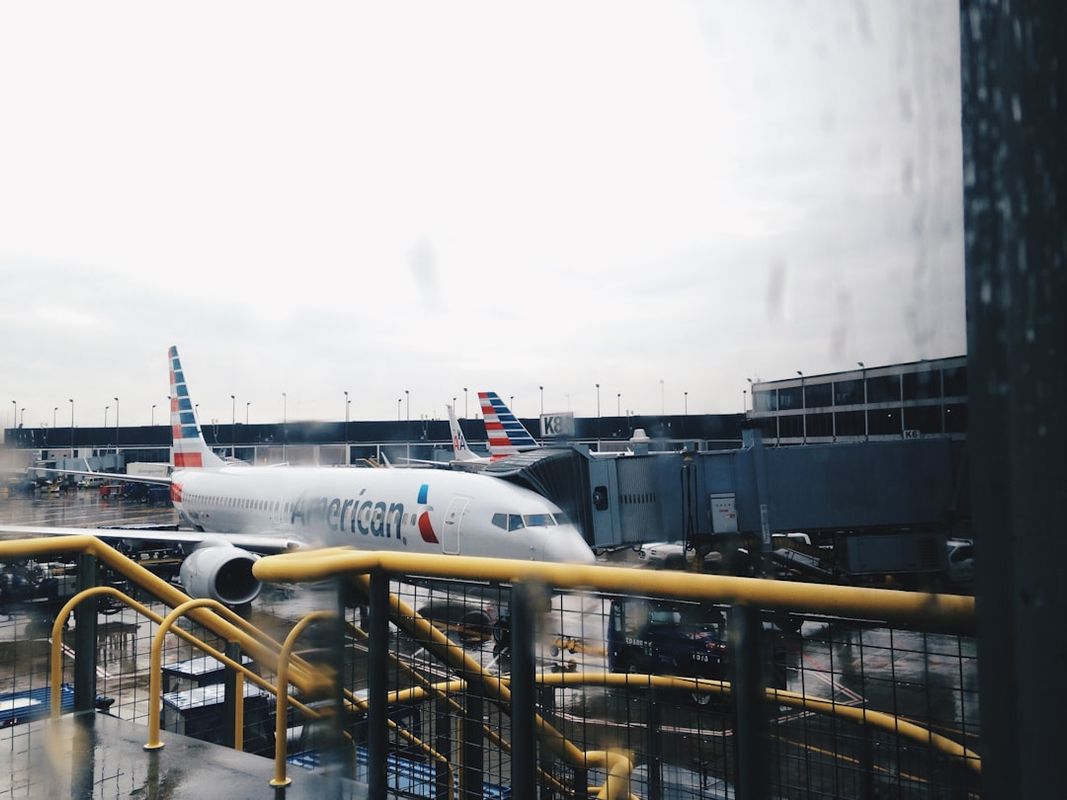
Fears about enforcement have also reached Boise Airport, although no source has confirmed ICE agents are stationed there full time. Since March 2025, the Trump administration has run a national program in which the Transportation Security Administration (TSA) shares passenger name lists with ICE multiple times each week.
- ICE matches travelers against deportation databases.
- When ICE gets a hit, it can send officers to meet the person at the airport.
- A former ICE official said 75% of regional flags led to arrests — a rate that has left many noncitizens worried that a simple domestic flight could end in detention.
That fear is not abstract for families who have watched fast removals elsewhere. For example:
- Lucía López Belloza, a 19-year-old college student, was arrested at Boston Logan International Airport on November 20, 2025 while boarding a flight to Texas, according to reports about the TSA-ICE data sharing effort.
- She was deported to Honduras two days later.
Immigration lawyers in Idaho say stories like hers spread quickly through group chats and family calls, and they change everyday choices: whether to travel for work, visit a sick relative, or keep a court date.
Federal stance and national enforcement goals
The Department of Homeland Security has defended the broader push as part of a drive to increase removals. DHS Secretary Kristi Noem said the department had recorded 605,000 deportations and 1.9 million voluntary departures since January 20, 2025, calling it “historic progress.” Trump officials have also said they want 3,000 daily arrests nationwide; as of June 2025, the current average was 711.
According to analysis by VisaVerge.com, local spikes like Idaho’s can happen when regional teams get extra staff and focus on quick arrests after court hearings or traffic stops.
Practical advice for those who encounter ICE and aftermath resources
Ruano said clients keep asking what kind of “warrant” an agent must show in a courthouse hallway. He advises that the safest move is to:
- Stay calm.
- Ask for a lawyer.
- Avoid signing papers you do not read.
He emphasized that an administrative warrant in immigration cases is not the same as a criminal warrant signed by a judge, and people may not know the difference in a tense moment.
Families trying to find someone taken by ICE can use the U.S. government’s ICE Online Detainee Locator System:
https://locator.ice.gov/odls/#/index
Advocates say the hours after an arrest are still chaotic, especially when someone is moved out of state.
Local consequences: missed hearings and community response
At the Canyon County Courthouse, public defenders and attorneys worry people will skip hearings on traffic tickets, probation check-ins, or family cases, then face arrest warrants from state court for failing to appear. That dynamic can trap people in a spiral:
- Fear of ICE keeps them away from court.
- Missing court can create new charges and increase police contact.
PODER reported that the message it hears from families is simple: “don’t go” — even when they are trying to get a protection order or settle custody.
Christensen said he has had to explain to clients in Boise that ignoring a court date can also hurt an immigration case because it creates new charges.
County officials have not said whether the federal agents returned after December 10, but word of the detentions spread fast through Spanish-language radio, church networks, and social media. In interviews, residents said they now:
- Scan parking lots for unmarked vans
- Worry whether a trip to the courthouse or Boise Airport will separate parents from children
Ruano advised people who feel followed to write down badge numbers if they can see them and to call a lawyer as soon as possible. PODER urged anyone who believes they faced an unlawful stop to report it, while also reminding families that ICE can still act on civil immigration cases even when local police do not help.
For many, the hardest part is the waiting, as holiday travel and end-of-year court dates bring more people into public buildings.
Plainclothes ICE agents detained multiple people at the Canyon County Courthouse on Dec. 9–10, 2025, sparking concerns that courthouse and airport operations are causing a chilling effect. Idaho saw significant increases in 2025 enforcement—368 arrests and 416 detentions Jan.–Jun.—with a mix of criminal convictions and immigration-related cases. A national program since March 2025 shares TSA passenger lists with ICE, prompting fears of airport arrests. Advocates recommend remote hearings, legal representation, and reporting questionable stops to protect access to justice.