- ICE officers reportedly collected DNA samples from protesters and observers detained during Minnesota immigration operations.
- The practice raises concerns over biometric surveillance and data storage beyond the duration of the detentions.
- Amnesty International previously criticized the militarized enforcement efforts in the state for human rights violations.
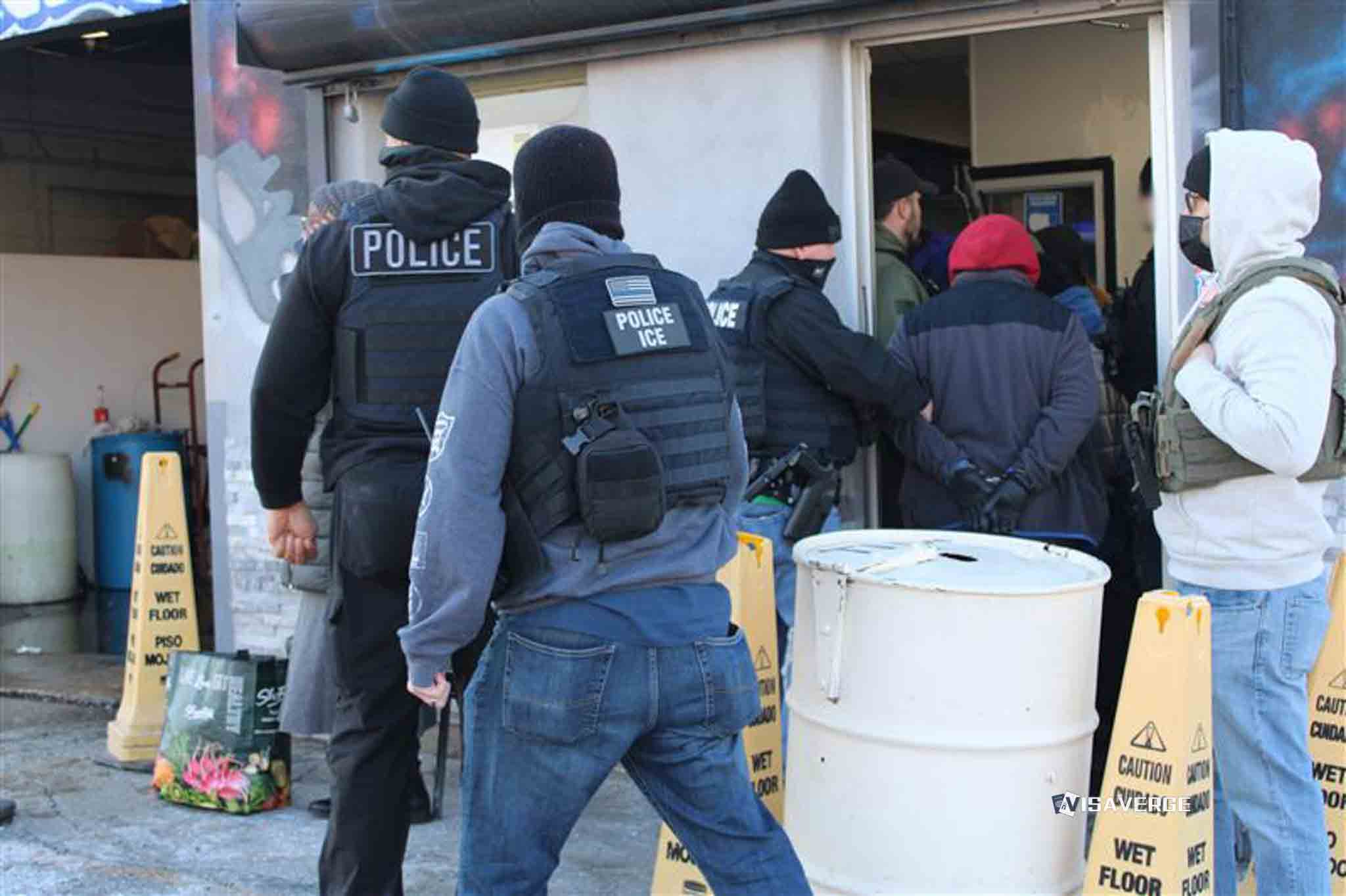
(MINNESOTA) — ICE officers collected DNA samples from protesters and observers detained during immigration enforcement operations in Minnesota, widening scrutiny of arrest tactics used during protest-related actions and raising new questions about how personal biometric data may be gathered, stored and used after a detention ends.
The reported collection of DNA samples drew attention because it involved people detained during demonstrations and enforcement activity, not only people accused of separate criminal conduct. That turned the issue into more than a dispute over crowd control, placing it at the center of a broader fight over civil liberties and immigration enforcement.
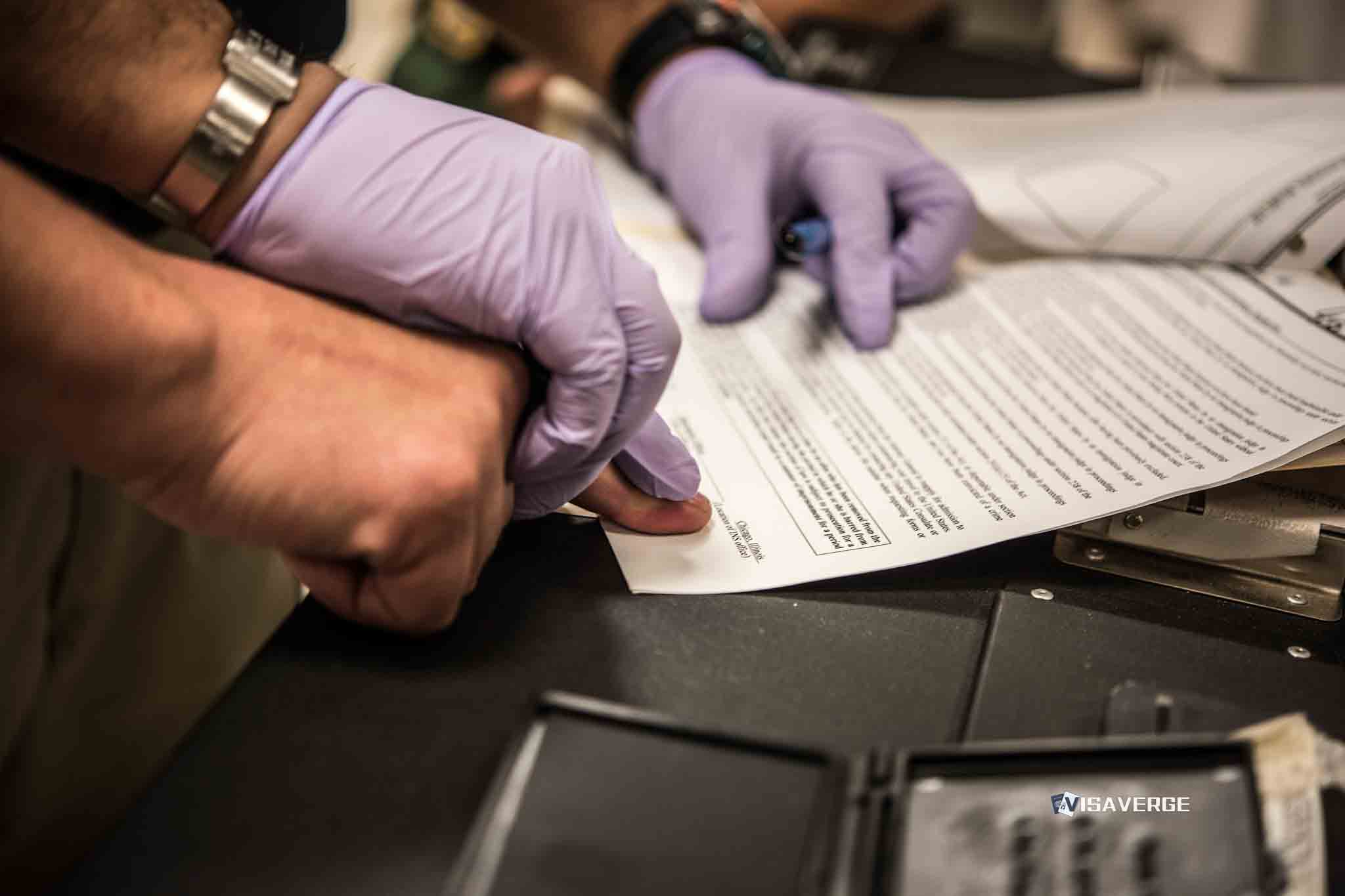
Reports of the practice emerged on March 19, 2026, during a period of intensified ICE activity in the state. The use of DNA samples in that setting added a new layer to already heated concerns around arrests tied to immigration enforcement operations in Minnesota.
Those concerns had already extended beyond the immediate arrests. Amnesty International had criticized broader militarized enforcement efforts in the state, citing killings, racial profiling and human rights violations.
Within that environment, the reported DNA collection carried added weight because biometric data can outlast the detention itself. A protest arrest may end in hours or days, but a DNA sample can remain part of a government record far longer, making the question of authority and procedure central to the dispute.
Minnesota had already become a flashpoint around immigration enforcement activity and the public protests that followed it. The reported use of DNA samples on protesters and observers intensified that tension by introducing biometric surveillance into a confrontation that had already drawn criticism on human rights grounds.
The issue also exposed how easily different parts of the immigration system can be blurred in public debate. ICE operates under the Department of Homeland Security, while EOIR and the BIA handle adjudication matters and USCIS handles immigration benefits.
That distinction matters here because no specific details from official EOIR, DOJ, USCIS, or BIA sources confirm a protest-specific legal basis or protocol for collecting DNA in this setting. As a result, the dispute centers not on a publicly identified explanation from those agencies, but on unanswered questions about who ordered the collection, what standards governed it, and what happens to the biometric data afterward.
Those questions do not resolve themselves simply because the detentions took place during enforcement operations. When authorities collect DNA samples in a politically charged setting involving protesters and observers, uncertainty over procedure becomes part of the story.
The unanswered issues include when DNA was taken, under what authority it was collected, how it may be stored, and whether it could be used later for purposes beyond the original detention. In a protest context, that ambiguity can itself become a source of alarm, especially when the people detained include not only those directly confronting officers but also observers caught up in the operation.
The Minnesota reports emerged as immigration enforcement had already spread into a wider contest over surveillance and identification. On one side were physical arrests during operations in public spaces. On the other were efforts to identify critics and monitor those who tracked ICE activity online.
That online dimension surfaced in ICE’s push for expanded subpoena powers to identify online critics who tracked its operations. The effort showed that the dispute had moved beyond the street and into digital spaces where enforcement, protest and public scrutiny increasingly overlap.
The same pattern appeared in criminal charges brought in September 2025 against three women accused of doxxing an agent. Those charges did not concern DNA collection, but they widened the enforcement story from protest detentions to identification, exposure and retaliation concerns tied to online speech and digital tracking.
Taken together, the events suggested an expanding conflict over who gets identified, by whom, and for what purpose. On one side, ICE sought stronger tools to identify critics who tracked its operations. On the other, critics and sympathizers used digital tactics of their own against immigration authorities.
That escalation became even sharper after protesters and sympathizers responded with hacktivism, including a leak of data tied to 4,500 ICE and Border Patrol employees. The leak reflected how quickly outrage over immigration enforcement and alleged abuses could shift from demonstrations in public to attempts to expose personal information online.
The mention of Renee Good’s death in Minneapolis formed part of that broader context. Anger around her death, immigration enforcement operations, and allegations of abuse fed protests and the online backlash that followed.
Each move appeared to raise the stakes of the confrontation. Enforcement operations on the ground triggered protests. Reports of DNA samples taken from detainees deepened fear about surveillance. Online tracking and doxxing cases widened the fight into digital spaces. Hacktivism and employee data leaks then brought a new level of personal exposure for federal personnel.
That sequence also sharpened a basic asymmetry in the public response. Officials moved forcefully to denounce the leaking of officers’ and employees’ personal information, while the reported collection of protesters’ DNA samples remained surrounded by unresolved questions.
DHS Secretary Kristi Noem condemned doxing and threatened legal action. Her response made clear that the department viewed the leaking of personnel data as an attack requiring an aggressive official answer.
Yet the strongest public reaction described from the department focused on leaks and doxxing, not on the Minnesota reports of protest-related DNA collection. That contrast left the central biometric issue unresolved even as the dispute around immigration enforcement grew more heated.
For civil-liberties advocates and people monitoring the arrests, the concern is not limited to whether officers detained protesters. Protest arrests have long triggered legal and political fights. The added issue here is that DNA samples carry a different order of consequence because they involve deeply personal identifying information.
That concern extends to observers as well as protesters. The Minnesota reports did not describe a practice confined only to people accused of separate conduct unrelated to the demonstrations. They involved detainees swept up during protest-related enforcement activity, broadening the scope of who may have faced biometric collection.
The result is a dispute that reaches beyond one operation or one day of arrests. It touches on the expanding tools of immigration enforcement, the boundaries of state power during politically sensitive detentions, and the way personal data can become part of conflicts between the government and its critics.
It also shows how immigration enforcement in Minnesota has become entangled with allegations that go well beyond routine detention practices. Amnesty International’s criticism of killings, racial profiling and human rights violations placed the state’s enforcement climate under wider scrutiny even before the DNA reports surfaced.
Against that backdrop, the reported use of DNA samples did not appear in isolation. It landed in a setting where enforcement was already being described in militarized terms and where protest activity, public anger and accusations of abuse had made every new tactic more contentious.
The uncertainty surrounding the legal basis for protest-related DNA collection may prove as important as the collection itself. In disputes over biometric data, authority, procedure, storage and future use are often as consequential as the moment of collection.
Minnesota’s case has brought those issues into sharper view because the detentions occurred in the middle of protests linked to immigration enforcement. That setting makes the line between public order measures and intelligence gathering especially sensitive.
So far, the most concrete facts are narrow but weighty: ICE officers in Minnesota reportedly collected DNA samples from protesters and observers detained during immigration enforcement operations; Amnesty International had already criticized broader enforcement in the state; ICE has also sought expanded subpoena powers to identify online critics; three women faced charges in September 2025 for allegedly doxxing an agent; protesters and sympathizers responded with hacktivism that included a leak involving data tied to 4,500 ICE and Border Patrol employees; and Noem condemned doxing and threatened legal action.
What remains at the center is the biometric question itself. Until officials answer when the DNA samples were taken, under what authority they were collected, and how they may be stored or used, the Minnesota detentions will stand as a test of how far immigration enforcement can reach into the bodies and data of people caught up in protest.