- ICE is issuing a short-term contract extension for the Elizabeth Contract Detention Facility in New Jersey.
- Private prison firm CoreCivic remains the exclusive provider capable of maintaining uninterrupted operations through May 2026.
- The extension supports a national strategy to reach 92,600 detention beds for mass deportation efforts.
(ELIZABETH, NEW JERSEY) — U.S. Immigration and Customs Enforcement has signaled it will extend its contract to keep the Elizabeth Contract Detention Facility operating while the agency completes a competitive procurement for longer-term detention services.
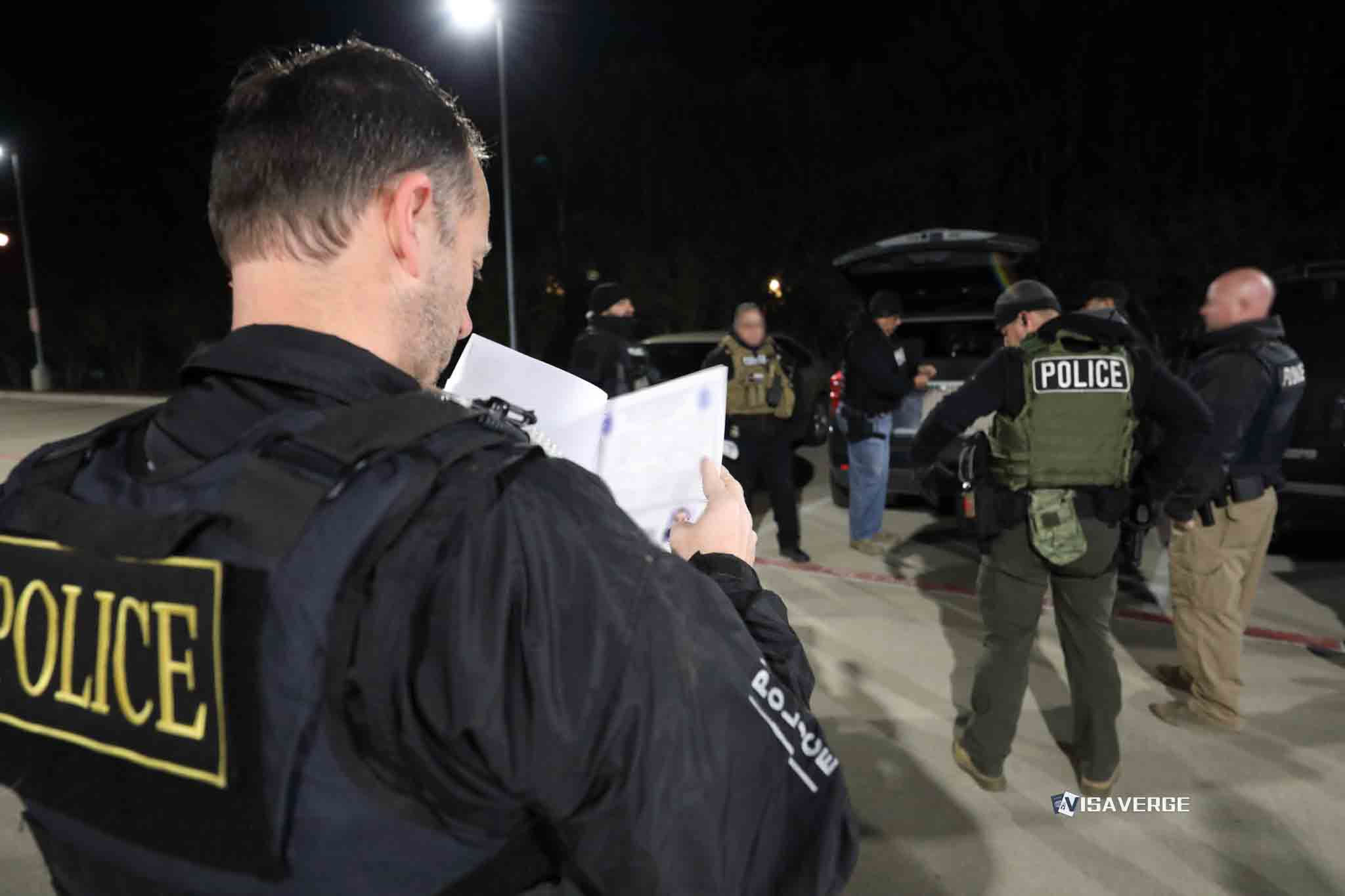
The plan keeps ICE detention beds available in New Jersey at a time the agency is expanding detention and deportation operations nationwide, with Elizabeth serving as a key processing site in the Northeast.
A Department of Homeland Security solicitation notice posted on SAM.gov describes a contract modification for `ODT-5-C-0010` that provides what the agency called a short bridge extension for continuity of operations. The notice identifies CoreCivic as the incumbent operator and ties the action to maintaining uninterrupted detention services.
In the SAM.gov posting, DHS wrote: “Only the incumbent, CoreCivic, can meet the government’s needs by the required performance start date of April 1, 2026 and no other service or provider will satisfy the agency requirement.”
DHS framed the modification as a stopgap while it completes a “competitive, follow-on procurement,” with the bridge period running from April 1, 2026, through May 31, 2026.
The procurement action, published on March 13, 2026, focuses on operational timing as the central constraint, with DHS asserting that only CoreCivic can meet the required start date. The agency’s position effectively limits near-term options to the existing contractor to avoid a break in detention operations at the site.
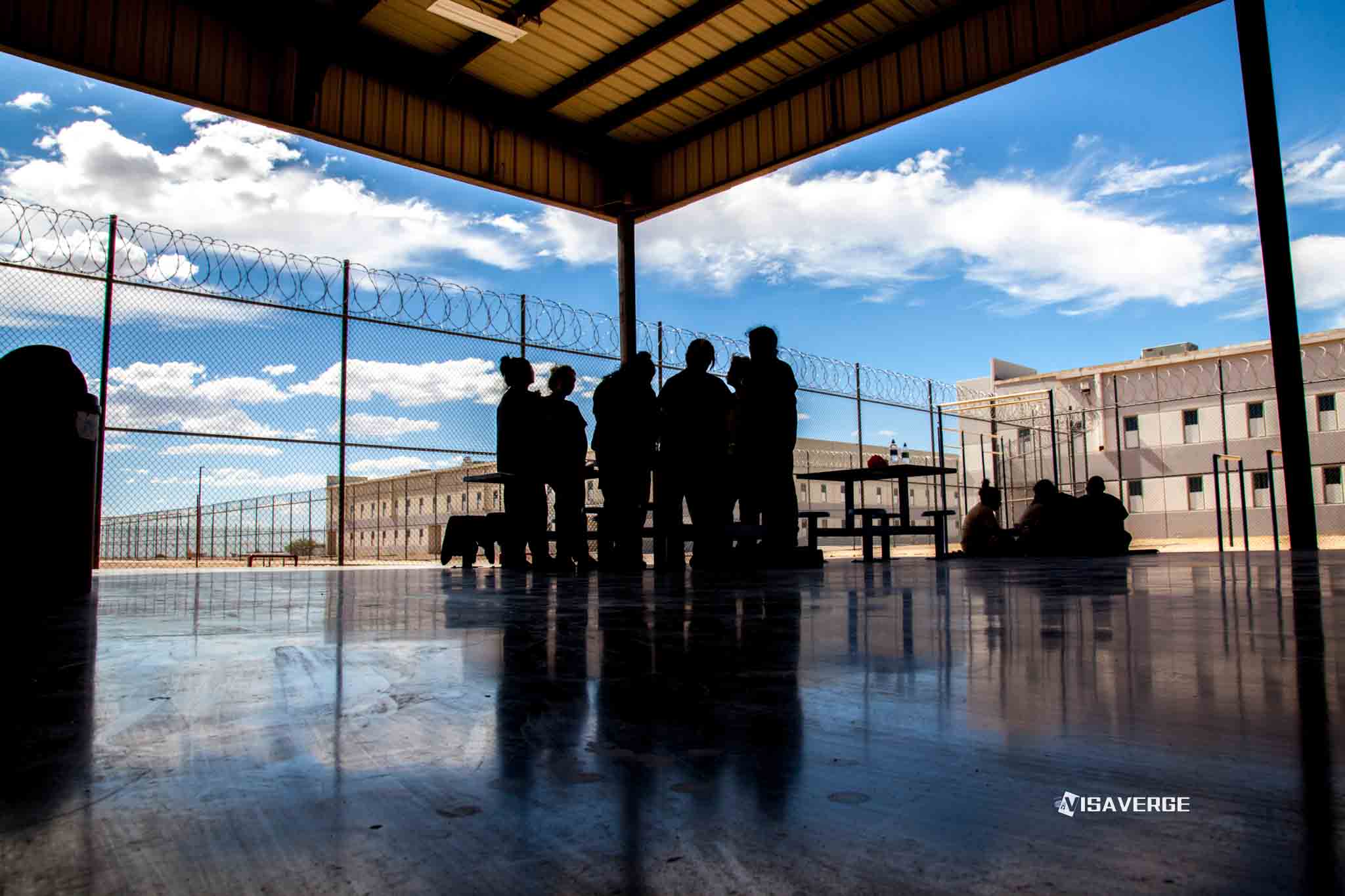
The Elizabeth Contract Detention Facility, commonly known as ECDF, is a long-running detention center in New Jersey that ICE lists as part of its detention network. CoreCivic, Inc., a private prison firm, has operated the facility for decades.
ICE held approximately 309 individuals at the facility as of February 2026, according to figures cited alongside TRAC data indicating that the majority of people held at the site do not have criminal records. The occupancy level underscored ICE’s emphasis on keeping contracted detention services in place without interruption.
The DHS notice links its timeline to detention continuity, arguing that the start-date requirement makes an incumbent-only bridge modification necessary to keep staffing, services, and custody operations intact while a follow-on contract is awarded.
Deputy Assistant Secretary Lauren Bis addressed detention conditions in a DHS statement on March 5, 2026, saying: “ICE is always looking at ways to improve our detention facilities to ensure we are providing the best care to illegal aliens in our custody. DHS undergoes rigorous audits and inspections of our facilities to ensure they are meeting our high standards.”
The extension comes as ICE pursues a national capacity target of 92,600 detention beds and works to hire 12,000 new officers, figures that reflect a broader enforcement posture and can shape how quickly detention space and staffing must come online. Contract facilities such as ECDF can become central to meeting those targets when federal detention space depends on vendor-run operations.
Funding for that expansion received a boost from the “One Big Beautiful Bill Act” passed in July 2025, which allocated $45 billion for ICE detention and deportation through fiscal year 2029. The multi-year appropriation provides a budget backdrop for detention contracting decisions and short-term bridge actions designed to keep facilities running as procurements move forward.
Internal ICE memos dated February 13, 2026, described a Detention Reengineering Initiative aimed at fully implementing a new detention model by the end of FY2026. The memos described a shift toward “mega-centers” and “turnkey” facilities intended to support mass deportation.
In New Jersey, the Elizabeth facility’s contract posture also sits in the shadow of state restrictions and a federal court ruling that allowed the facility to remain open despite a state attempt to limit detention contracting. New Jersey enacted a 2021 law banning new or renewed immigration detention contracts.
CoreCivic sued the state, and in August 2023 U.S. District Judge Robert Kirsch ruled that the state could not interfere with federal functions, allowing the facility to remain operational. The ruling shaped the legal terrain for detention contracting at ECDF and intensified attention on federal procurement steps that keep the site operating.
With several other county-run facilities in the region closing, the Elizabeth site has become a regional hub for processing people in ICE custody in the Northeast. That regional role has raised the stakes of any interruption in operations, because ICE uses detention space not only for housing but also for movement, court scheduling, and transfers.
Advocates and investigators have continued to raise concerns about conditions at the facility, including reports of “rancid food” and “unsanitary dining conditions,” along with allegations of medical neglect. Those concerns have featured prominently in debates over the role of contracted detention and the oversight of private operators providing custody services to the federal government.
Custody decisions have also shifted the practical consequences of detention capacity, with policies in early 2026 reducing “discretionary releases,” as described in the same body of information accompanying the contract extension discussion. Under that approach, detainees often remain in custody through proceedings unless an immigration judge grants bond.
As of late 2025, the ratio stood at 14.3-to-1 for deportations to releases, a metric cited as part of the broader custody policy context. That balance, combined with higher detention targets, can increase pressure on facilities that already operate with set space and staffing limits.
Legal access remains part of the operational picture as detention populations rise. The facility provides a law library and visitation space, but advocates have argued that a rapid increase in detention population nationwide strains those resources, affecting access for people trying to consult attorneys, prepare filings, or meet visitation schedules while in custody.
The contract modification for `ODT-5-C-0010` appeared on SAM.gov as the primary procurement record for the bridge action, with DHS describing the extension as necessary while it finalizes awards under a competitive follow-on procurement. The notice signaled that ICE intends to keep services in place as the contracting process moves to the next stage.
ICE also lists the Elizabeth facility on its detention-facilities page, where the agency publishes basic public-facing information about ECDF as part of its broader network. DHS’s public updates on immigration enforcement and detention policy typically appear through its newsroom channels.
For now, the agency’s procurement language points to a two-track process: maintain operations at ECDF through a time-limited modification, while ICE completes the competitive follow-on procurement that will determine the next contract arrangement for continued detention services in Elizabeth. The timeline and the incumbent-only rationale, laid out in the SAM.gov notice, put the facility’s immediate future on a continuity footing as the federal contracting process continues. More details on the solicitation appear in the SAM.gov notice for the contract modification, while ECDF’s public listing remains available on the ICE facility information page and broader agency announcements run through the DHS Newsroom.