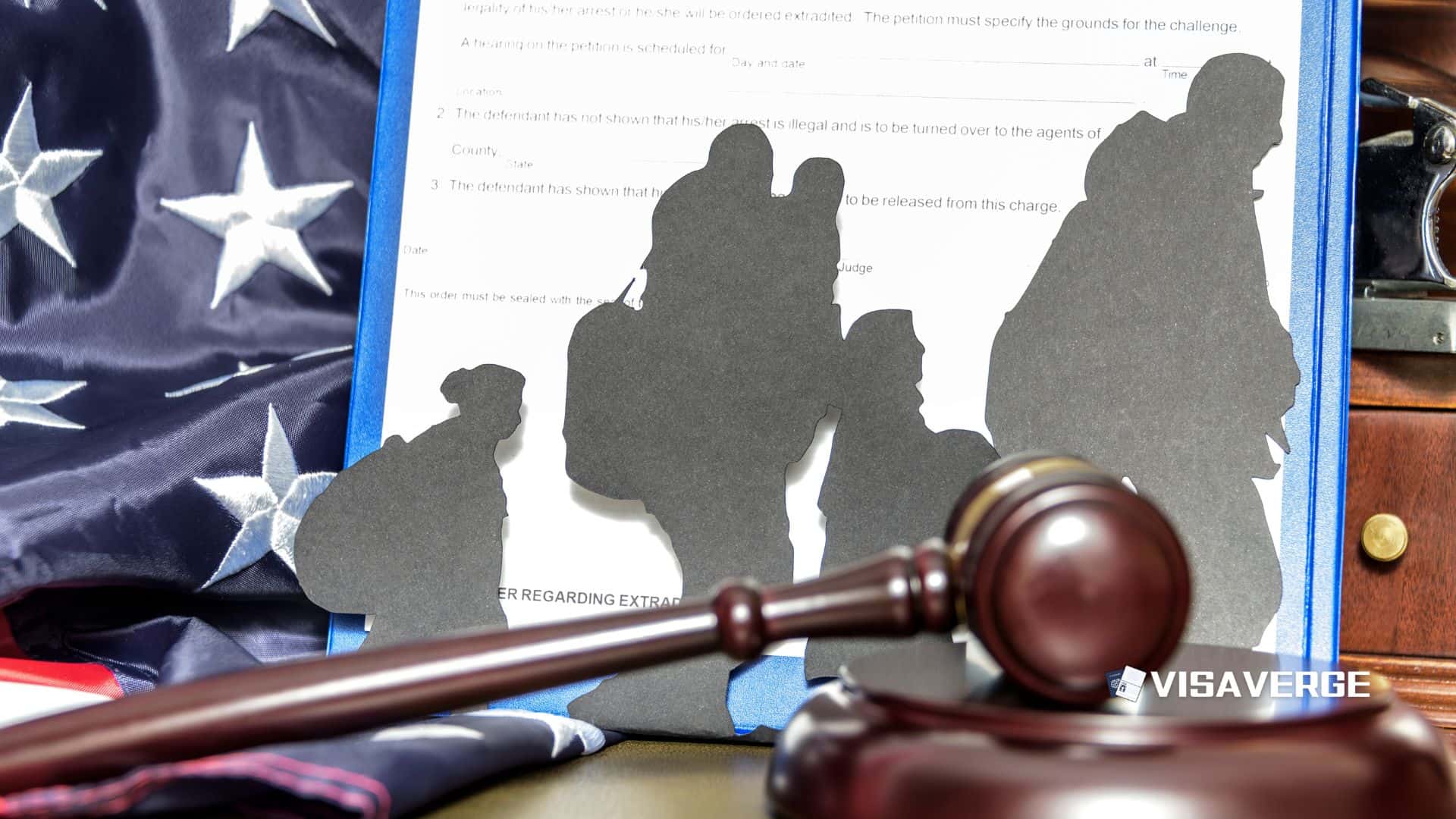
If you’re trying to confirm an “ICE lodges detainer” claim tied to a serious New York case—such as online posts about a suspect “strangling cab driver to death” in New York—two things matter: an ICE detainer is a formal request sent to a jail or police agency, and detainer activity can be hard to confirm from public-facing records. The most reliable path is to look for custody-transfer paperwork, court dockets, and agency press releases, then use FOIA (public records requests) when needed.
This guide shows you how to check detainer claims in New York, how NYC policy affects cooperation with federal agencies, and what documents to request so you can get a clear answer.

What an ICE detainer means in New York (plain English)
An ICE detainer (often called an “immigration hold”) is a written request from U.S. Immigration and Customs Enforcement asking a local jail or police agency to:
- Notify ICE before releasing a person, and/or
- Hold the person for a short period after they would otherwise be released (so ICE can take custody)
A detainer is not the same thing as a criminal arrest warrant. It’s an immigration enforcement tool used when ICE wants time to take someone into federal custody.
In New York City, confirming a detainer can be harder because local policies restrict cooperation with civil immigration enforcement in many situations. Those policies do not stop NYPD or correction officials from working with federal agencies on criminal investigations, but they can shape what happens when the request is purely immigration-related.
Who this guide is for (and why it matters)
Use this guide if you are:
- A family member trying to learn whether ICE placed a detainer on someone held in NYC custody
- A community advocate or journalist trying to verify detainer claims
- A defense team member or support person trying to understand custody transfers
- A New Yorker seeing viral claims tied to a headline-level case and wanting proof, not rumors
Detainer claims spread fast, especially when a case involves a violent allegation. Focus on documents and docket entries, not social media screenshots.
Eligibility and prerequisites: what you need before you start
Before you begin, collect:
- Full legal name of the person
- Date of birth (or age)
- Date of arrest (or approximate week)
- Arresting agency (NYPD, another police department, state agency)
- Where they were held (NYPD precinct, booking, Rikers, another jail)
- Any known criminal court case number (even partial info helps)
If you don’t have the person’s name, you can still research the incident, but you’ll be limited to public press releases and public court listings.
Step-by-step: how to confirm whether ICE lodged a detainer in New York
1) Identify the custody chain (who had the person, and when)
Start by mapping the timeline from arrest to detention. In New York, detainer questions often turn on release eligibility (posting bail, case dismissal, sentence completion) and whether a federal agency took custody instead.
What to check first:
- Where the person was first held (NYPD custody vs. a jail facility)
- Whether there was a transfer to a federal agency (for example, FBI or Homeland Security Investigations (HSI))
A December 2025 New York City Department of Investigation report reviewed NYPD practices around custodial transfers to federal agencies. It discussed transfers involving the FBI and HSI, including a transfer of Merwil Gutiérrez Flores into FBI custody on February 25, 2025, and also reviewed a March 14, 2025 transfer involving HSI. These transfers matter because a federal pickup can be mistaken online for an “ICE detainer,” even when the legal mechanism is different.
2) Check for public case records and federal charging signals
If the person is charged in New York, there is often a public trail in criminal court. Look for signs of:
- A federal criminal complaint or federal custody
- A writ or transfer order
- Docket notes indicating a federal hold, pickup, or remand change
If federal prosecutors are considering charges, you may see custody movement without an ICE detainer being the driver. Court paperwork is more reliable than rumors.
3) Request the right records from the right agency (don’t ask broadly)
Detainer confirmation usually comes from one of these:
- The detainer form itself (often referenced as Form I-247 series in many jurisdictions)
- A jail “detainer log” or “agency holds” screen printout
- A release notification record showing the agency contacted ICE
- A transfer record showing custody was handed to a federal agency
Ask for records tied to a specific date range, person, and facility. Broad requests often get slower responses or heavier redactions.
4) Use FOIA for federal proof (when local records aren’t enough)
If a detainer exists, ICE is the federal agency tied to it. For federal records, you typically use FOIA. If you’re requesting your own records, you can also use Privacy Act options.
For FOIA basics and how to submit, start here: USCIS FOIA and Privacy Act requests.
USCIS is not ICE, but this page explains FOIA/Privacy Act concepts and the identity proof you’ll need. The same principles apply when requesting federal immigration records from other DHS components.
⚠️ Important: If you’re requesting records about someone else, expect stricter limits. Without written consent or proof of authority, you often only get limited information.
5) Cross-check with agency press releases and official statements
Do a sweep of official communications:
- NYPD press releases and public statements
- U.S. Attorney’s Office press releases (Southern District of New York or Eastern District of New York)
- ICE public statements (if any exist for the case)
This helps you separate things people often mix up online:
- ICE civil detainers
- Federal criminal arrests (FBI/HSI task force work)
- Jail transfers for prosecution purposes
Documents you should gather (and exactly what to ask for)
Use this checklist to keep your requests focused.
Identity and case identifiers
- Full name (include aliases if used)
- Date of birth
- A-number (if known)
- NY criminal court case number (if known)
- Date and location of arrest
Custody and detention records to request
- Booking and release records
- Jail “holds” or “detainers” summary screen (if the facility uses one)
- Detainer logs for a specific time window
- Notifications sent to any federal agency before release
- Transfer-of-custody documents (who accepted custody, date/time)
Court records that often contain clues
- Arraignment paperwork and remand decisions
- Bail decision paperwork
- Any docket entries referencing federal custody or a federal pickup
- Any detainer-related motions filed by defense counsel (if they exist)
💡 Pro Tip: Ask for records by date range and facility name, not just “any detainer.” Specific requests get better results.
Fees and timeline: what to expect in New York detainer verification
There isn’t one standard cost or timeline because you may be dealing with multiple systems:
- State and local records requests vary by agency and how narrow your request is.
- FOIA requests for federal records can take longer, especially if the request is broad, involves law enforcement records, or triggers redactions.
Plan for weeks to months, not days, if you need federal confirmation. If you need an answer quickly for a family emergency or a court date, focus first on court docket updates and defense counsel communication, which reflect real-time custody changes.
Common mistakes that waste time (and how to avoid them)
Asking the wrong question: “Is there an ICE detainer?”
A better question is: “Who had legal custody at release time, and what document authorized that?”
That framing covers both immigration holds and federal criminal transfers.
Treating every federal agency as “ICE”
In New York, custody transfers often involve the FBI and HSI. HSI is part of DHS, like ICE, but it is not the same as an ICE civil detainer. Confusing these is how false claims spread.
Requesting “all records” with no dates
Agencies handle narrow requests faster. Use the arrest week, booking date, or a known court appearance date to narrow your request.
Ignoring the New York City policy backdrop
Local rules shape what NYPD and city facilities can do in response to civil immigration requests. Look closely at whether a custody change happened because of:
- A criminal prosecution decision, or
- An immigration enforcement action
Relying on viral wording instead of identifiers
Phrases like “strangling cab driver to death” can describe multiple incidents across time. A name, date, and borough do more than headline wording.
Next steps you can take today (simple, practical actions)
1) Write down the three anchors: name, arrest date (or week), and where the person was held.
2) Pull the criminal case number from public court information or paperwork you already have.
3) Ask for custody-transfer proof: booking/release record plus any hold/detainer log entry for the relevant dates.
4) If federal involvement is suspected, check for signs of SDNY or EDNY federal charging activity.
5) If you need broader immigration education, read more step-by-step guides at VisaVerge.com and keep your research document-based, not rumor-based.
This guide explains how to verify ICE detainers in New York City amidst complex local non-cooperation policies. It emphasizes using official records like court dockets and FOIA requests instead of social media. By tracking the custody chain between local and federal agencies, individuals can determine if a person is held for immigration purposes or federal criminal charges, ensuring accurate information for legal planning and support.