(SOLDOTNA, ALASKA) — ICE detained three members of a Soldotna family and removed them from the United States on February 17, 2026, after agents entered their home Tuesday morning and took the mother into custody, setting off vigils by church leaders and a push by Alaska lawmakers for answers.
Sonia Arriaga, her 5-year-old child and her 16-year-old son were taken first to Anchorage and then deported to Mexico, with the family sent to Tijuana, where Episcopal Church representatives met them at a federal processing center and arranged safe housing.
A fourth family member, a 19-year-old son who was initially reported as 18, remained in custody at an Anchorage jail, with church chaplains seeking access to tell him his mother and siblings had been deported to Mexico.
Alexander Sanchez-Ramos, Arriaga’s husband and the children’s father, said he is a U.S. citizen and ICE did not detain him. Sanchez-Ramos also said Arriaga had legal work authorization and was pursuing asylum tied to violence threats in Jalisco, Mexico.
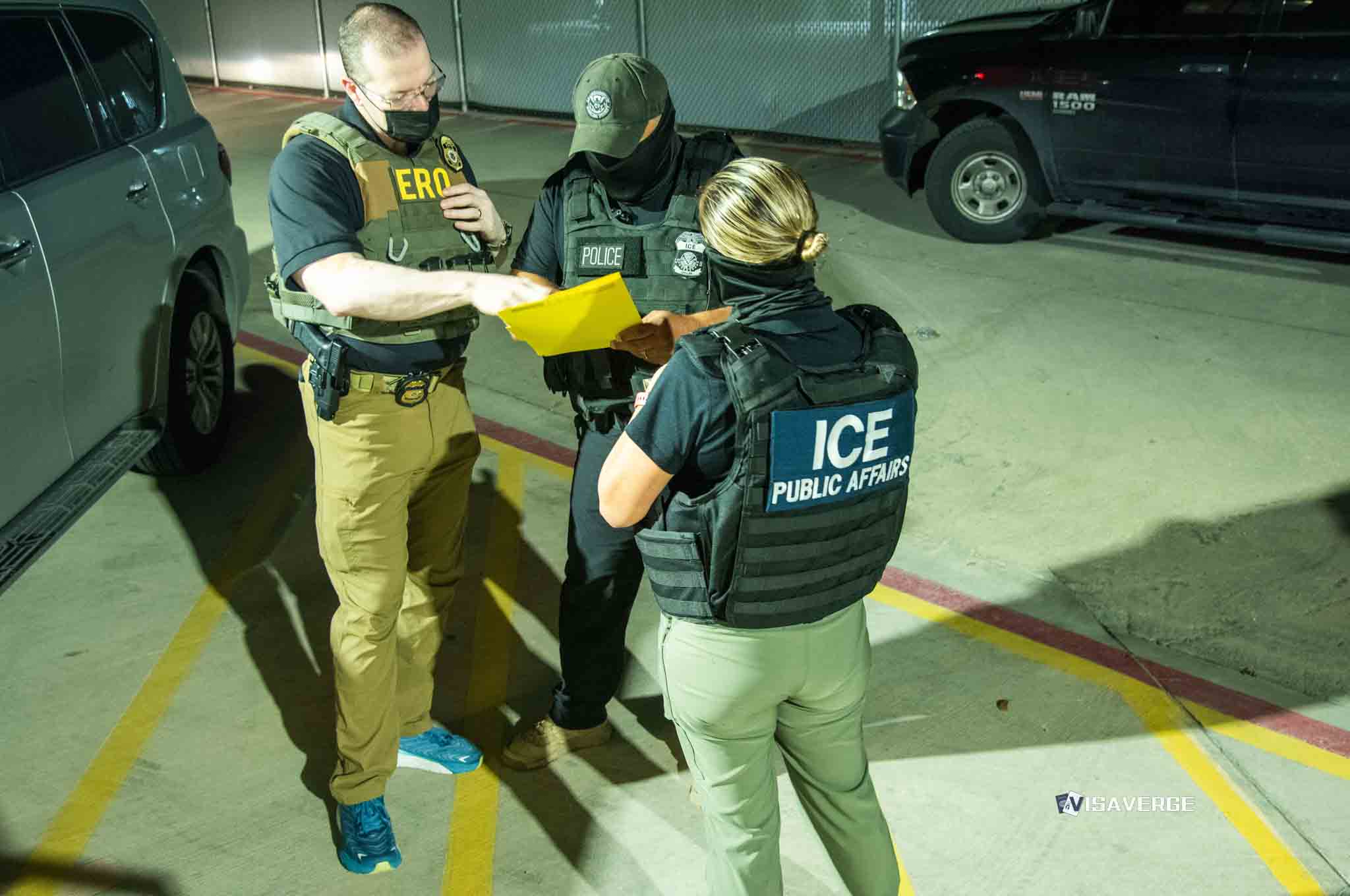
The sequence of events began Tuesday morning when ICE agents entered the family’s home in Soldotna. Arriaga was arrested in her driveway after she returned from dropping off her 16-year-old son at school, and agents took her and the children into custody.
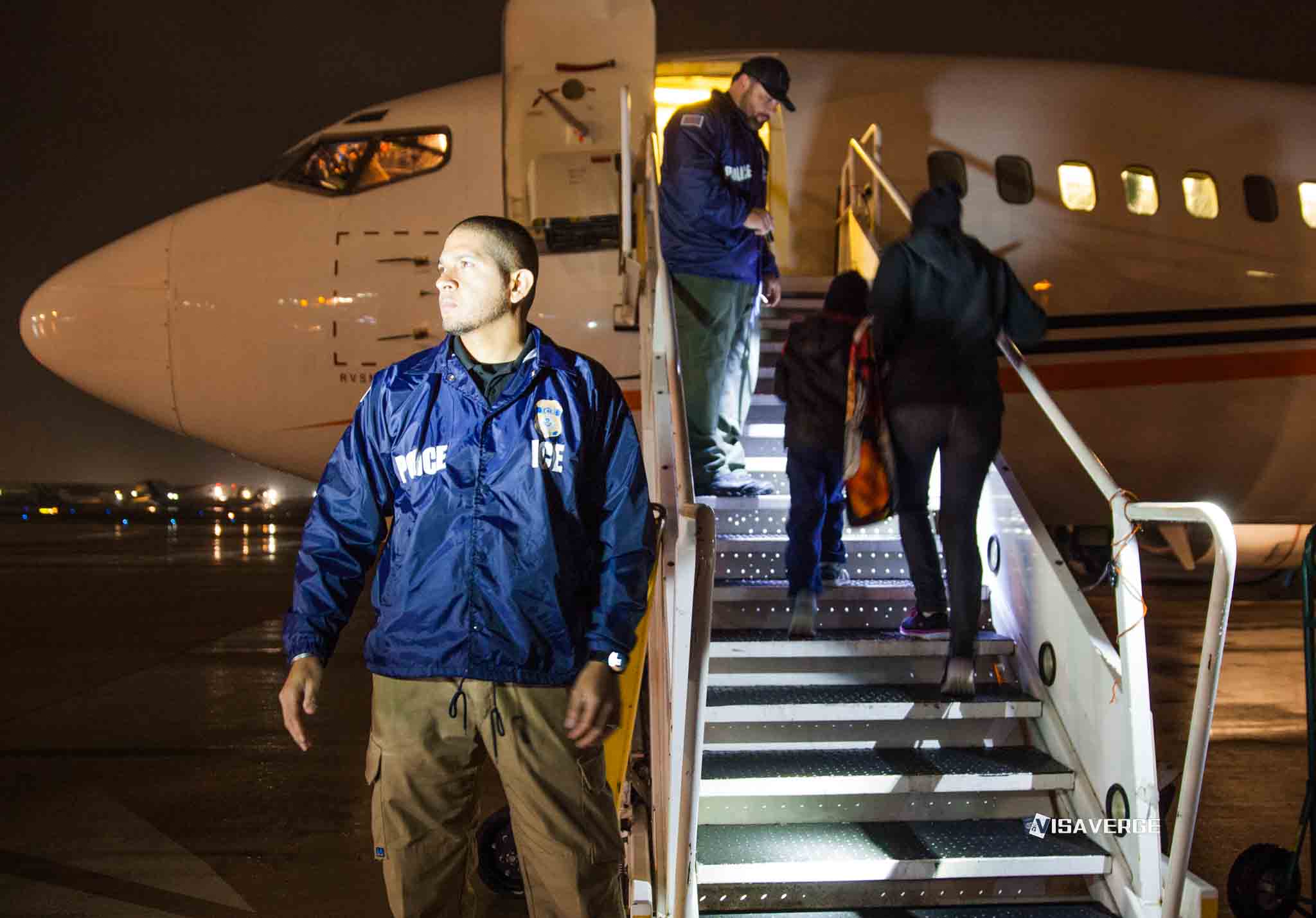
After transport to Anchorage, ICE moved quickly to carry out the removal, deporting Arriaga and the two children to Tijuana. Episcopal Church representatives met them at a federal processing center and provided what church leaders described as safe housing and support.
Rev. Michael Burke, senior pastor at St. Mary’s Episcopal Church in Anchorage, condemned the detention and removal at a press event and questioned how it fit with family values or promises to target only criminals, while warning the 5-year-old could face lifelong trauma.
Burke said the family was safe in Mexico as of February 20, 2026. Church representatives in Mexico helped them after their arrival in Tijuana, according to the account provided by those assisting the family.
Sanchez-Ramos said Arriaga’s asylum effort related to threats tied to violence in Jalisco, Mexico, and that she had been authorized to work in the United States while pursuing her case. Work authorization can signal that a person has an active immigration process, but it does not itself guarantee protection from removal.
The family’s attorney filed paperwork to revive Arriaga’s claim after she missed a January 2026 hearing, Sanchez-Ramos said, but ICE proceeded with detention and removal anyway. The case posture has fueled questions from supporters about how enforcement actions can move forward while filings are pending.
Missing a hearing in immigration court can carry steep consequences, including removal orders in some circumstances, and efforts to revive or reopen a case generally seek to restore a chance to be heard. Such steps typically depend on specific filings and legal standards, and they can unfold at the same time ICE continues to enforce removal decisions unless a separate legal action pauses the process.
The outcome split the family across borders and custody systems: Arriaga and the two children ended up in Mexico, while the older son stayed detained in Anchorage. Church chaplains sought access to the detained son to let him know where his family had been taken and what had happened since the home entry.
Burke’s public remarks came as church leaders organized vigils and supporters sought to provide immediate help on both sides of the border. Clergy framed their response as both practical—getting housing and support in place—and moral, arguing the enforcement action cut against stated commitments to family unity.
At the Alaska Capitol, Alaska House Majority members described the incident as the first known instance of children taken into ICE custody in the state and urged federal action. Lawmakers said they were investigating ICE operations, a step that can include information requests, briefings and outreach to federal officials.
The lawmakers’ concerns centered on how the agency handled custody involving a 5-year-old kindergartner, the logistics of the family’s rapid transfer from Soldotna to Anchorage and then out of the country, and the continued detention of the 19-year-old in Anchorage. Their inquiries also focused on what role, if any, pending filings played in ICE’s decision to proceed.
While the initial headline framing described ICE as defending the action, no direct ICE statement defending the detention and deportation appears in available reports. The available account instead describes enforcement proceeding under standard procedures despite the pending effort to revive the asylum claim.
That absence of a detailed public explanation has left several basic questions at the center of the dispute: what ICE relied on in making the custody decisions, what notices or paperwork accompanied the home entry and arrest, and what specific steps, if any, might have been available to pause the removal while the legal effort moved forward. Supporters and lawmakers have also sought clarity about the detained son’s custody status in Anchorage and how quickly he can learn of his family’s location.
For Soldotna and the wider Kenai Peninsula, the case has moved beyond an individual family’s crisis into a broader test of how immigration enforcement plays out in Alaska, where lawmakers said they had not previously seen children taken into ICE custody. Burke continued to focus attention on the 5-year-old, while emphasizing that Episcopal Church representatives in Mexico had confirmed the family’s safety as of February 20, 2026.
ICE Holds Soldotna Family in Detention Before Deporting Them to Mexico
ICE agents deported Sonia Arriaga and two of her children from Soldotna, Alaska, to Mexico, while leaving her 19-year-old son in U.S. custody. The action has drawn sharp criticism from local religious leaders and state lawmakers, who are investigating the handling of the case. Although Arriaga was seeking asylum from violence in Jalisco, her missed court hearing in January led to the rapid enforcement action.