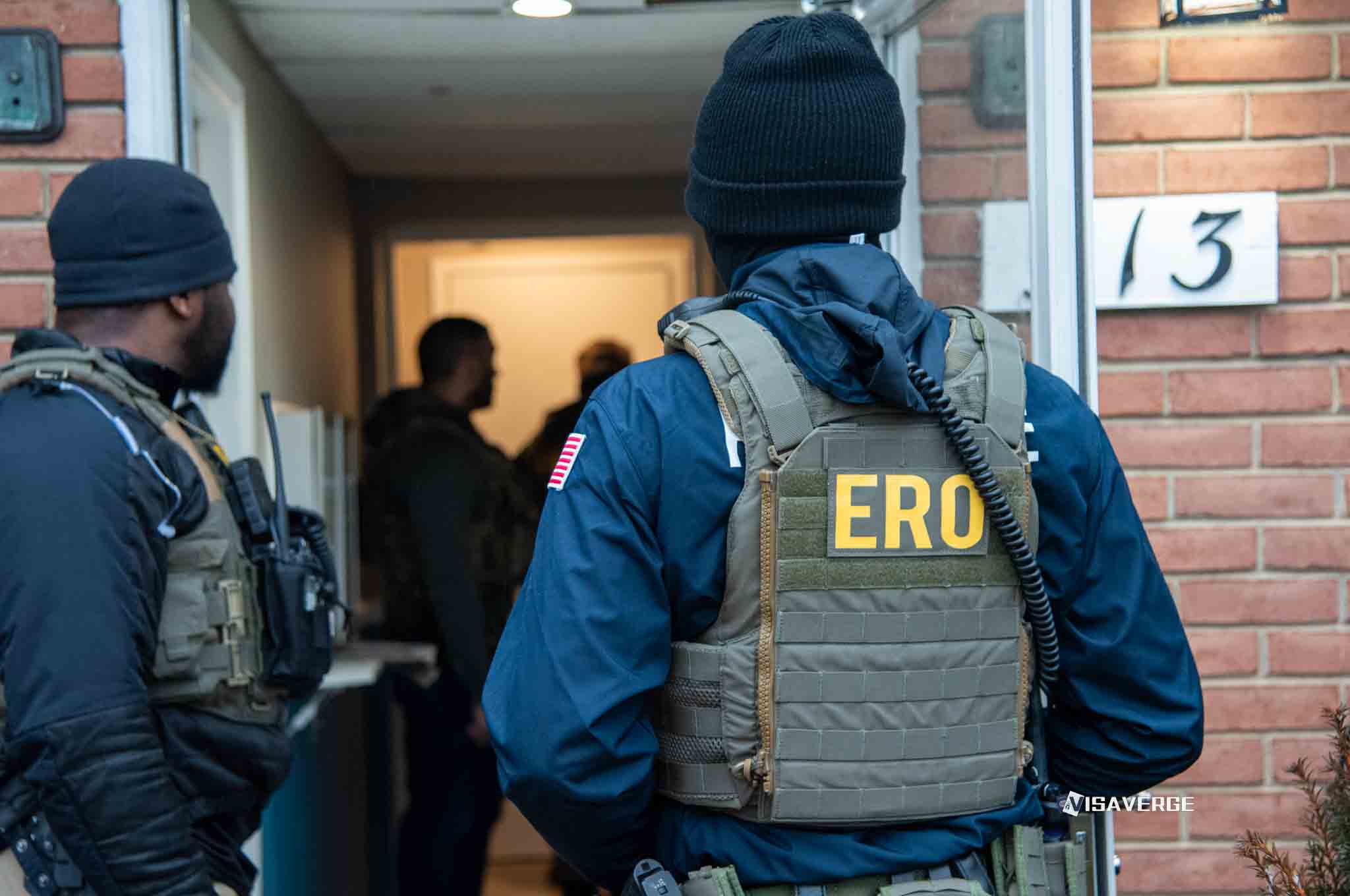
(MIAMI, FLORIDA) U.S. Immigration and Customs Enforcement confirmed another death in custody, saying a 67-year-old Jordanian man, Hasan Ali Moh’d Saleh, died on October 11, 2025, after cardiac arrest at Larkin Community Hospital in Miami. It’s the third reported ICE death in three weeks and brings the total to at least 20 deaths in fiscal year 2025, according to advocacy group tallies. ICE said required notifications and reviews are underway and maintained that detention conditions remain “safe, secure, and humane.”
In a statement, ICE said people in detention receive medical, dental, and mental health screenings within 12 hours of arrival and a full health assessment within 14 days. The agency stated that no one is denied emergency care, and after a death it notifies the Department of Homeland Security’s Office of Inspector General and the person’s consulate. The agency’s position puts it at odds with advocates who argue that recent deaths show deeper problems in detention, including delays in medical attention, poor living conditions, and weak oversight.
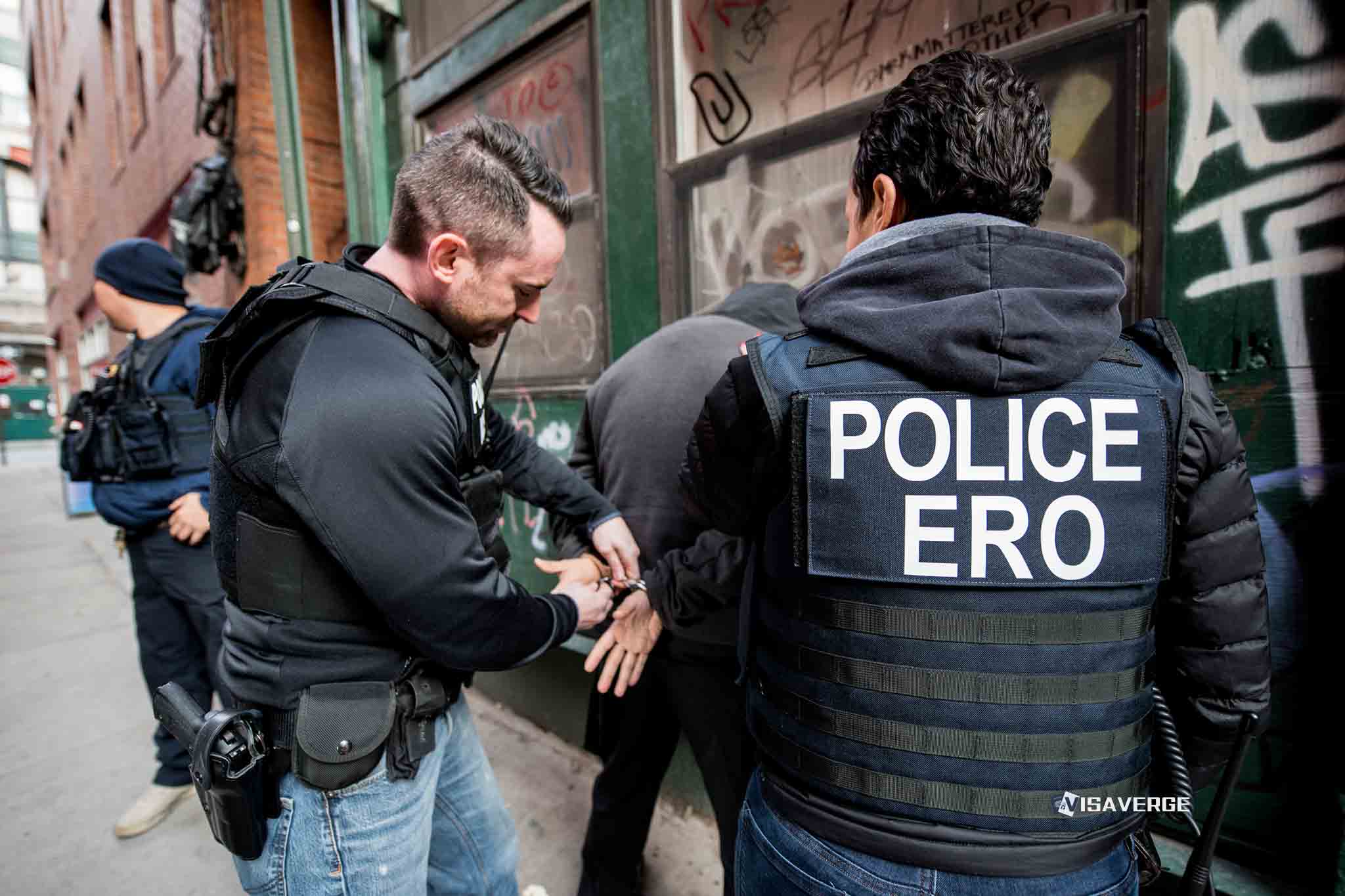
Recent deaths under review
The death of Saleh, who had hypertension, heart disease, renal disease, and diabetes, follows two other deaths in ICE custody since late September:
- Leo Cruz-Silva, a 34-year-old from Mexico, died on October 4, 2025, in an apparent suicide at a Missouri jail under ICE contract.
- Huabing Xie, a 43-year-old from China, died on September 29, 2025, after a seizure at the Imperial Regional Detention Facility in California.
Advocates say these cases fit a pattern. They point to the rising number of deaths this year compared with last year and describe an environment where people face barriers to timely care.
- According to analysis by VisaVerge.com, the 2025 death toll is now the highest since 2020, with at least 20 deaths by October, up from 8 deaths in all of 2024.
- Advocates also raise concerns about suicide risks in detention, which have appeared in prior government audits.
ICE said it inspects facilities and tracks care through set procedures, using internal checks and external reviews, including those by the Office of Professional Responsibility and the DHS Inspector General. But advocates and some lawmakers argue that many inspections are preannounced, allowing facilities to make temporary fixes, and that standards can be sidestepped when operators claim compliance is too costly.
Unannounced visits by watchdogs and civil rights groups have documented problems with medical care and food quality, as well as deaths, renewing calls for deeper reforms.
Oversight questions and responses
The widening gap between ICE’s stance and outside observers’ reports has set up a familiar clash in Washington. Lawmakers who track ICE detention are pressing for:
- Independent investigations
- Public release of medical records with privacy protections
- Clearer timelines for corrective actions
The spike in reported deaths — 15 by September and at least 20 by mid-October — has sharpened those demands. Some members of Congress want DHS to increase surprise inspections, make results public, and enforce consequences when facilities fail standards.
ICE’s response and stated protocols:
- ICE says it applies performance-based standards and holds contractors to strict requirements.
- The agency points to detailed medical protocols, suicide prevention steps, and rapid response rules.
- It notes that deaths trigger multiple notifications and reviews.
- Its detention standards — covering medical screening, chronic care, mental health services, and emergency response — are published online: ICE Detention Standards.
Impact on families and communities
For families and communities, the numbers have real weight. Advocates say relatives often struggle to get basic information after a death in custody, including:
- The person’s status
- Facility records
- Timeline of care
Community groups in Florida, Missouri, and California held vigils after the three recent deaths, pressing for answers on:
- On-site medical staffing
- Transport times to hospitals
- How mental health concerns are handled inside jails and dedicated detention centers
In Miami, questions now focus on Saleh’s time in ICE custody and the lead-up to his cardiac arrest. ICE said he had multiple chronic conditions. Advocates want a full accounting of:
- When symptoms appeared
- When medical staff saw him
- How decisions were made about transfers and treatment
They also want ICE to release information about staffing ratios and emergency drills at facilities serving South Florida, including any private contractors.
Broader debate over civil immigration detention
This year’s death count is drawing attention to long-running disputes over the use of civil immigration detention in the United States 🇺🇸.
- Supporters of detention argue it ensures people appear for hearings and removal and that contracted facilities can provide care at scale.
- Critics counter that many people could be released on alternatives (such as check-ins and community programs) at lower cost and lower risk, and that rising deaths show detention is not meeting minimum health and safety standards.
Some sheriffs who contract with ICE defend their facilities, saying they follow federal rules and that medical units are staffed around the clock. They also note that local jails house a mix of populations, complicating tracking and procedures.
Advocates respond that mixed-use jails are precisely where problems often arise:
- Different standards
- Unclear lines of responsibility
- Less transparency
They argue contracting layers make it harder for families and lawyers to get clear answers after a death in custody.
Policy implications and next steps
Policy specialists are watching whether the Department of Homeland Security and Congress will:
- Tighten rules on inspections
- Require more unannounced visits
- Link funding to compliance records
- Require better public reporting (facility-by-facility data on medical staffing, response times, and corrective action plans)
Pushes for change have surfaced after past spikes in ICE detention deaths, but supporters of reform say current numbers demand faster action.
For now, ICE continues to stress that its facilities deliver comprehensive care and follow strict procedures when emergencies arise. The agency has reiterated that no one in ICE custody is denied emergency treatment and that every death triggers a multilayer review.
As inquiries proceed in Florida, Missouri, and California, the debate over detention — and what it takes to prevent another death in custody — will continue in courtrooms, oversight hearings, and communities affected by immigration enforcement.
This Article in a Nutshell
A 67‑year‑old Jordanian detainee, Hasan Ali Moh’d Saleh, died on October 11, 2025, in Miami, marking the third ICE custody death in three weeks and bringing the fiscal‑year 2025 total to at least 20. ICE states detainees receive medical, dental, and mental‑health screenings within 12 hours and full assessments within 14 days, and that deaths prompt multi‑level reviews and OIG notifications. Advocates challenge that account, citing delays in care, poor conditions, preannounced inspections, and rising suicide risk. Lawmakers and activists demand independent investigations, public medical record releases with privacy safeguards, more unannounced inspections, and facility‑by‑facility reporting. Inquiries are underway in Florida, Missouri, and California as calls grow to reform detention oversight and consider alternatives to civil immigration detention.