- ICE agents will deploy to Atlanta’s airport starting Monday morning to assist with massive security line delays.
- Personnel will report directly to TSA specifically for crowd control and line management within domestic terminals.
- Officials stressed the mission is not for immigration enforcement but a response to severe federal staffing shortages.
(ATLANTA, GEORGIA, USA) — Mayor Andre Dickens confirmed on Sunday, March 22, 2026, that ICE agents will deploy to Hartsfield-Jackson Atlanta International Airport starting Monday morning, March 23, 2026, to help the Transportation Security Administration manage lines and crowds in the domestic terminals.
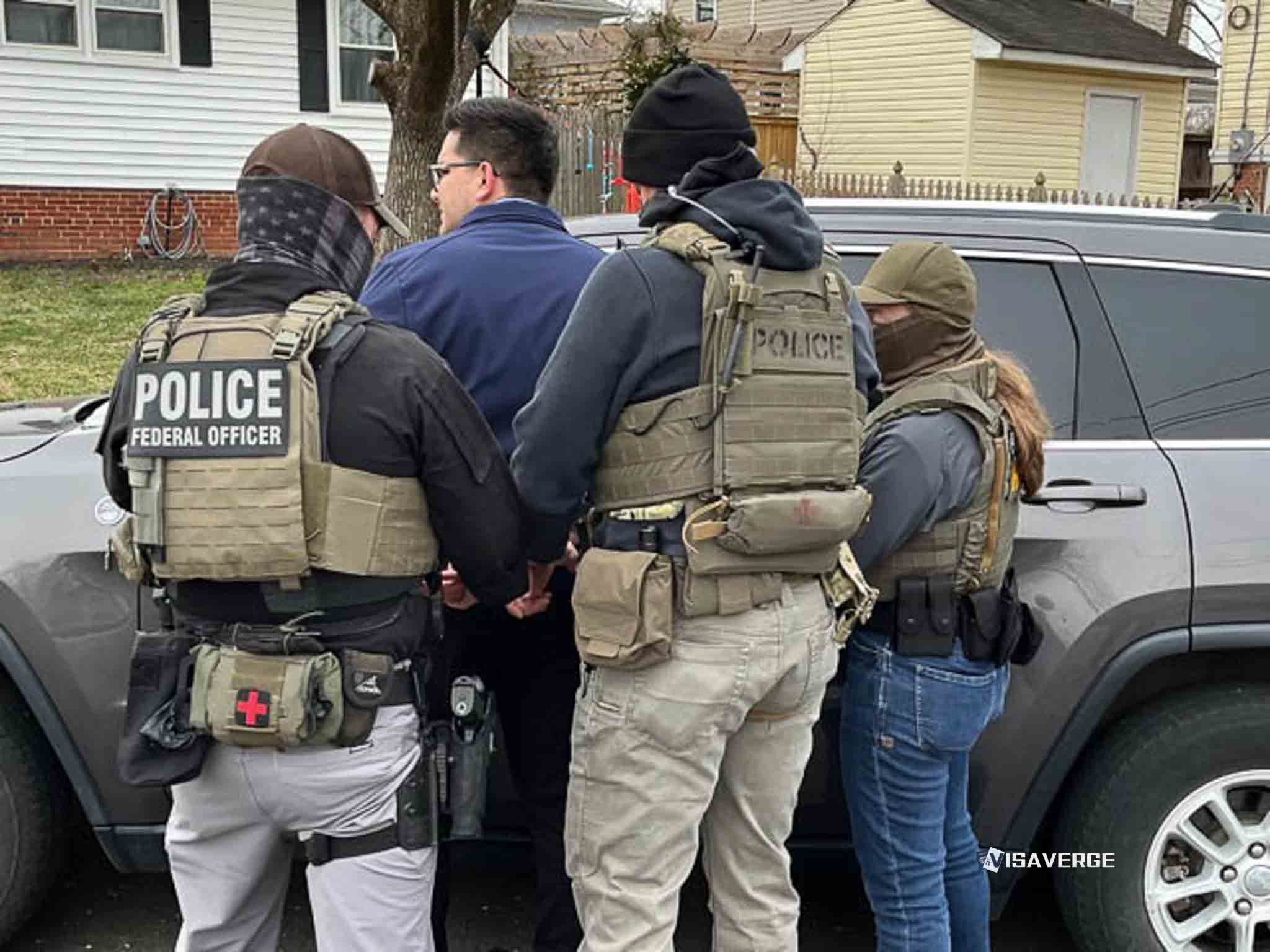
Dickens said the personnel will come from U.S. Immigration and Customs Enforcement, including Homeland Security Investigations and Enforcement and Removal Operations, and will report directly to TSA rather than operate on their own at the airport.
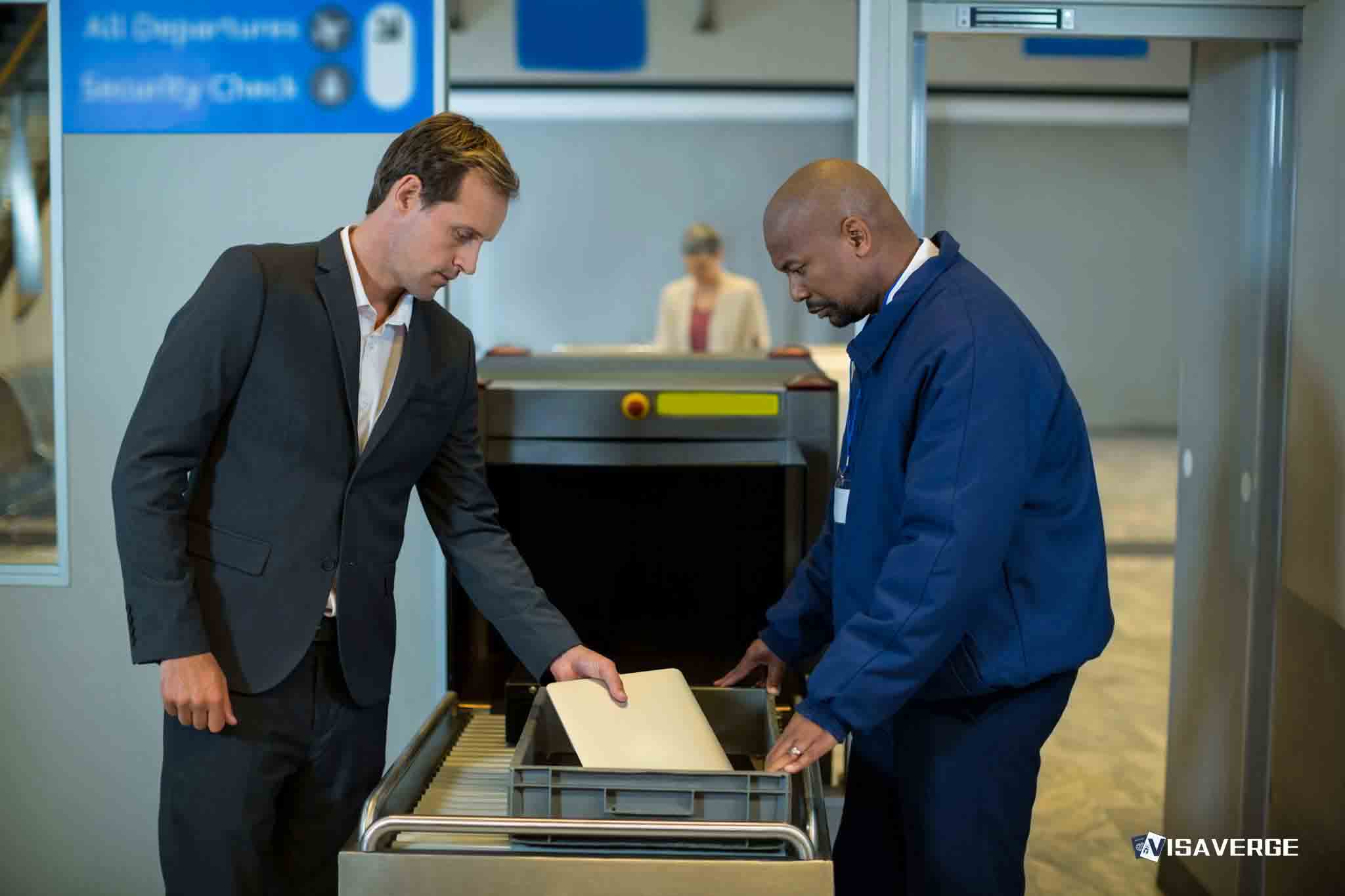
The move comes as the airport faces extended screening delays of up to five hours, with federal officials tying the strain to a federal budget impasse and TSA staffing shortages from unpaid workers.
Dickens framed the deployment as a support operation for airport screening traffic, not an immigration action. “According to federal officials, these personnel will be assigned to support operational needs directed by the Transportation Security Administration (TSA), including line management and crowd control within the domestic terminals,” he said.
Federal officials, including DHS Acting Assistant Secretary Lauren Bis, said the deployment is not intended for immigration enforcement activities. Instead, they said federally funded ICE personnel are being redirected to support TSA operations.
That distinction sits at the center of the city’s account of the plan. Officials described the assignment as a response to bottlenecks at security checkpoints, where long lines have disrupted passenger movement in domestic areas of the airport.
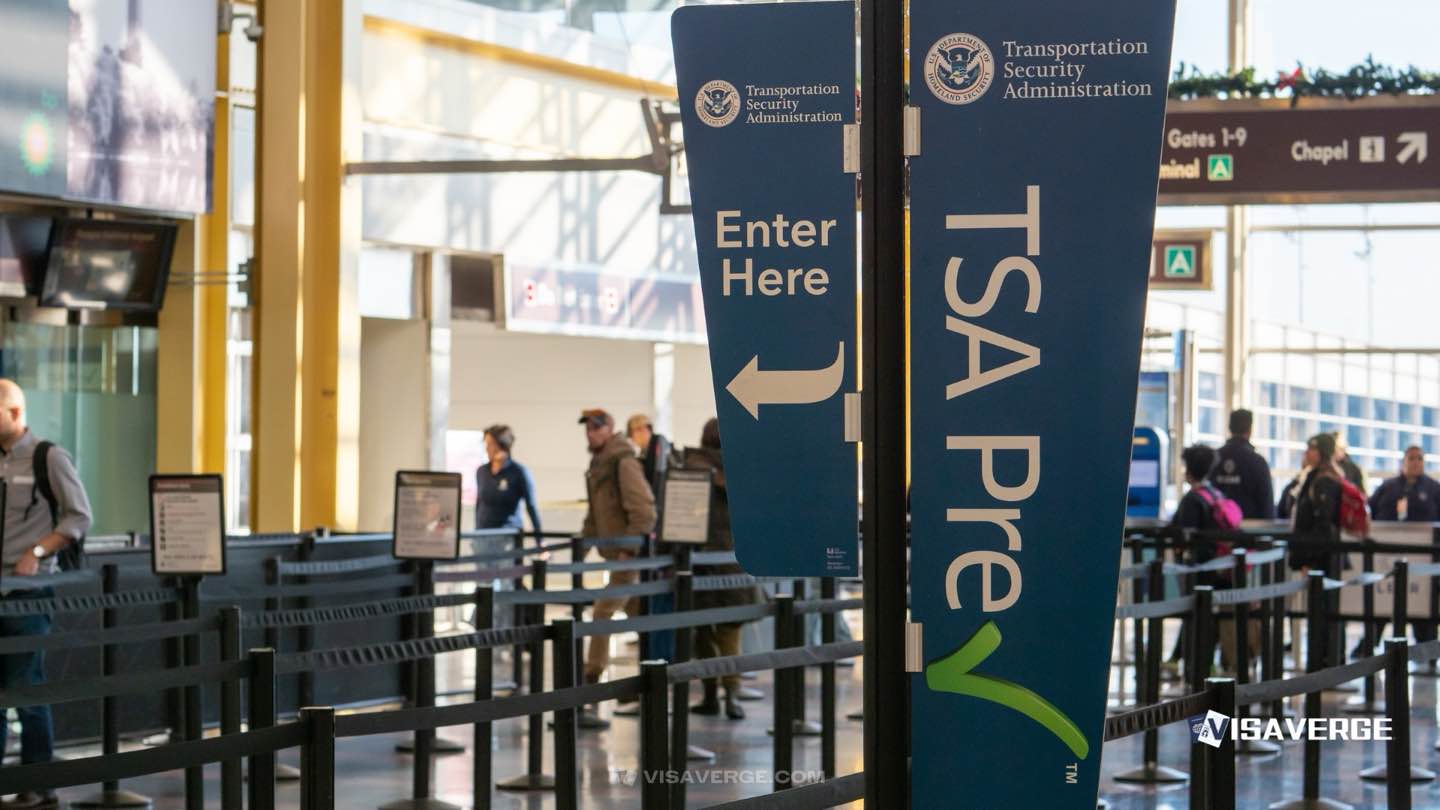
Hartsfield-Jackson Atlanta International Airport, one of the country’s busiest air hubs, has seen checkpoint congestion spill well beyond screening areas. North security checkpoint lines have snaked around baggage carousels, and officials have considered outdoor queuing as pressure on the terminals has mounted.
Travelers are being told to arrive 3-4 hours early. The advice reflects how badly passenger flow has slowed as screening capacity has tightened.
Dickens said the Atlanta Police Department did not receive a request for support tied to the federal deployment. He also said city officials do not expect major effects on regular municipal operations.
That local message was paired with an effort to reassure residents and travelers that the airport response will remain under federal direction. The ICE agents, according to the mayor’s statement, are being assigned to support TSA-directed operational needs rather than to launch a separate law enforcement mission inside the terminals.
City officials also said Atlanta has already taken steps to help TSA manage the situation. Dickens did not present those steps as a substitute for federal staffing, but as part of an effort to steady airport operations while security lines remain backed up.
The mayor used his statement to press for a broader federal fix. “Our administration remains hopeful the federal government can soon find a way to fully fund TSA and pay their employees to resume standard operations at Hartsfield-Jackson Atlanta International Airport—and all airports we connect to,” he said.
His remarks tied Atlanta’s airport problems to a wider federal funding dispute, not to a local breakdown. In the city’s telling, the immediate problem is operational: too few screeners, too many travelers, and wait times that have stretched far beyond normal.
Federal officials cast Atlanta as one part of a national response to disruptions at multiple U.S. airports. The deployment of ICE agents is part of that wider effort, with personnel being used to shore up screening support functions where airports have struggled with long lines and crowd control.
Lauren Bis was among the federal officials cited in connection with the response. The stated federal intent, officials said, is to use funded ICE personnel to help TSA handle passenger flow during the disruption.
Atlanta’s case has drawn attention because of the scale of the delays. When checkpoint lines reach baggage claim areas, they begin to affect more than screening itself, slowing movement through the terminal and raising pressure on airline schedules, airport staffing and passenger drop-off patterns.
Even so, officials have kept their public description narrow. They have said the agents will help with line management and crowd control in the domestic terminals, and they have said the mission is not for immigration enforcement activity.
That language matters in a city where any mention of ICE agents can quickly raise broader concerns. Dickens addressed that point by grounding the deployment in TSA supervision and by stressing that the Atlanta Police Department was not asked to join the operation.
The arrangement also places the Transportation Security Administration at the center of the airport response. Rather than creating a parallel command structure, officials said the incoming federal personnel will report directly to TSA, which remains responsible for directing the operational work they are being sent to perform.
For travelers, the practical issue is simpler than the interagency structure. Passengers heading to domestic terminals face severe checkpoint congestion, and the official advice to arrive 3-4 hours early signals that delays are not expected to ease immediately.
Airport conditions described by officials show how far the strain has spread through the terminal. Lines at the north security checkpoint have wound around baggage carousels, and consideration of outdoor queuing points to limited room inside to absorb demand.
The deployment starting Monday morning, March 23, 2026, is meant to relieve some of that pressure. By assigning ICE agents to crowd control and line management, federal officials aim to free TSA personnel to focus on screening duties during a staffing crunch.
Dickens’ statement did not present the move as a long-term fix. His comments instead pointed back to the budget impasse and the unpaid status of TSA workers as the underlying reasons standard operations have been disrupted.
That places Atlanta within a broader pattern playing out at airports across the United States. Federal officials said the same response framework is being used as part of a nationwide effort to address airport disruptions, with Atlanta serving as one highly visible example.
The exact number of ICE agents involved has not yet been released. TSA details on staffing for the operation remain pending even as the start date approaches.
What is already clear is the scale of the congestion federal agencies are trying to contain. Wait times have reached up to five hours, airport lines have stretched into baggage claim, and officials are warning travelers to build far more time into their trips than they normally would.
Dickens sought to keep the city’s focus on airport function rather than politics. His statement described federal personnel stepping into an airport support role under TSA direction, while Atlanta officials continue local measures intended to help passengers move through the terminals.
That leaves travelers with a direct message ahead of Monday’s deployment. ICE agents are being sent to Hartsfield-Jackson Atlanta International Airport to assist the Transportation Security Administration with crowd control and line management, and for passengers caught in the backups, the measure will matter most if it shortens the path from the terminal entrance to the checkpoint.