- Representative Bonnie Watson Coleman introduced the WISA Act to nullify Trump-era H-1B visa restrictions.
- The bill targets a $100,000 supplemental fee and a wage-weighted selection model for foreign workers.
- Proponents argue the current rules hinder hospitals and universities from hiring essential high-skilled talent.
(UNITED STATES) — Representative Bonnie Watson Coleman introduced the WISA Act on March 6, 2026, to nullify a Trump-era overhaul of the H-1B visa program that added a $100,000 supplemental fee for some petitions and replaced the random lottery with a wage-weighted selection model.
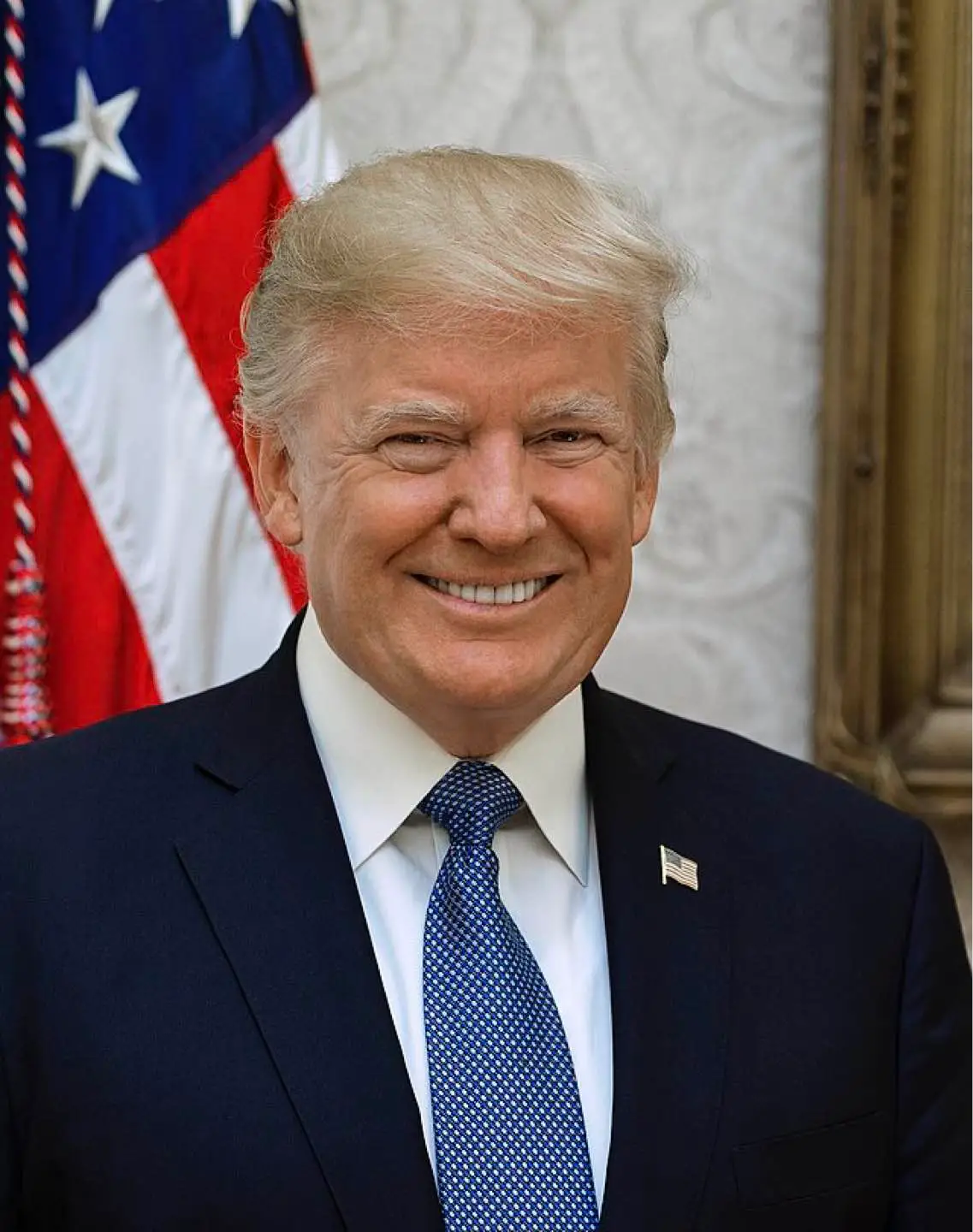
The bill, formally designated H.R. 7859, targets President Donald Trump’s September 19, 2025 proclamation and a later Department of Homeland Security rule that reshaped how employers compete for scarce H-1B slots, a central pathway for high-skilled foreign workers.
Watson Coleman, a New Jersey Democrat, framed the proposal as a rollback of costs and selection mechanics that supporters of the program argue deter hiring and narrow access for employers and skilled workers. Her office said the restrictions have “created significant barriers for U.S. employers, universities, hospitals, and research institutions.”
The introduction comes as employers map staffing for the next hiring cycle and foreign workers track shifting odds in the FY 2027 cap season, which USCIS set for registration March 4–19, 2026. Congress has also seen competing proposals that point in the opposite direction, including the EXILE Act, introduced February 2026, which seeks to eliminate the H-1B program entirely by 2027.
The Trump administration’s September 19, 2025 proclamation, which took effect September 21, 2025, imposed strict wage-level requirements and a new $100,000 fee on employers sponsoring H-1B workers, according to the bill description and related policy summaries. Supporters described the changes as a protection for U.S. workers, while critics argued they effectively priced out many employers and reshaped the selection process toward higher-paid candidates.
USCIS described its rationale in a Feb. 21, 2026 newsroom update tied to the FY 2027 lottery. “The new H-1B selection process prioritizes allocating visas to higher-skilled and higher-paid aliens to better protect the wages, working conditions, and job opportunities of American workers. [The September 2025 Proclamation is] an important initial step to reform the H-1B nonimmigrant visa program to curb abuses,” the agency said in the update posted at USCIS’s FY 2027 H-1B Cap Initial Registration Period alert.
Watson Coleman’s bill aims to unwind two pillars of the current framework. One is the $100,000 supplemental fee tied to certain new H-1B petitions for beneficiaries outside the United States. The other is the wage-weighted selection approach that gives some registrations more chances in the lottery than others, depending on wage level.
Under the current system described in federal updates and policy summaries, employers seeking to sponsor a worker from abroad must make the $100,000 payment via Pay.gov prior to filing the petition. The requirement applies to new H-1B petitions for beneficiaries outside the United States, rather than to all filings across the board.
The WISA Act seeks to remove that pre-filing cost barrier, which supporters see as a deterrent to sponsoring foreign professionals, especially when employers must commit funds before the petition is even filed. In practice, that feature can shape which candidates receive offers and which employers can participate, because it adds a large upfront payment tied to location and filing posture.
The second element is the shift away from a traditional random lottery. DHS finalized a rule on December 29, 2025 to replace the random H-1B lottery with a “weighted selection process” that took effect February 27, 2026. DHS said the rule aimed to “strengthen the integrity of the H-1B nonimmigrant visa program” in alignment with the $100,000 fee requirements.
For the FY 2027 season, USCIS tied selection odds to Department of Labor wage levels. The highest wage level, Level IV, receives 4 entries in the lottery, while Level III receives 3 entries, Level II receives 2 entries, and Level I receives 1 entry. Operationally, that structure increases the probability for registrations at higher wage levels and reduces relative odds for entry-level wage filings, even before any petition is adjudicated.
Watson Coleman’s proposal would reverse that approach by rolling back the wage-weighted selection model and undoing the fee structure set by the September 2025 proclamation, restoring the prior method only if the bill becomes law and agencies implement the change. A bill’s introduction does not itself alter USCIS procedures, and the existing rules remain in force unless changed through the legislative and regulatory process.
DHS and USCIS have argued that the restrictions help protect domestic labor and direct visas toward higher-skilled and higher-paid workers. The Trump administration’s proclamation framed the changes as a way to protect American workers, arguing that the H-1B system had been abused to replace domestic labor.
Opponents, including backers of Watson Coleman’s measure, have argued the combination of steep fees and strict wage thresholds discourages participation and narrows pathways for international professionals. Watson Coleman’s office linked the policy’s effects to employers and institutions that rely on foreign talent, including universities, hospitals, and research institutions.
Some media outlets have reported an early chilling effect on filings, though those figures have not been presented as official government statistics in the available materials. Times of India and Economic Times reported that H-1B-related filings may be down sharply, with one immigration expert estimating filings were about 50% lower than the previous year, partly because of the new fee structure and the wage-based selection approach.
The structure of the fee also creates different incentives for different pipelines into the H-1B program. USCIS guidance issued October 20, 2025 said Change of Status filings — such as F-1 students transitioning to H-1B within the United States — are generally exempt from the $100,000 fee, making domestic graduates more competitive than candidates abroad.
That distinction matters for international students and recent graduates, many of whom seek to move from F-1 status into H-1B through employer sponsorship. Under a fee regime that applies to certain outside-the-U.S. beneficiaries, employers weighing early-career hiring may find it easier to sponsor candidates already in the country through a Change of Status pathway than to recruit from overseas.
At the same time, the wage-weighted selection model can reshape outcomes for entry-level roles and institutions that pay on different scales. Because the selection process weights higher wage levels more heavily, employers offering lower wages within lawful ranges may face reduced odds, while employers offering higher wages can receive additional entries for the same underlying registration.
Healthcare staffing sits at the center of the debate in Watson Coleman’s messaging. She warned the restrictions exacerbate a “perfect storm for a nursing shortage,” as hospitals struggle to meet high wage and fee requirements for foreign-trained medical professionals.
Hospitals and other shortage-sensitive employers can face a double constraint under the current rules: the $100,000 pre-filing payment for some overseas beneficiaries, and a selection model that increases odds for higher wage levels. The combination can pressure employers to concentrate sponsorship on fewer, higher-paid roles or avoid certain candidates entirely, depending on budget and staffing needs.
Supporters of the Trump-era approach have argued that those same features push the program toward better-paid positions and deter use of H-1B to undercut U.S. wages. The Feb. 21, 2026 USCIS statement tied the new selection process to protecting “the wages, working conditions, and job opportunities of American workers.”
Watson Coleman’s bill, however, focuses narrowly on the fee barrier and selection methodology rather than remaking the broader immigration system. The proposal does not present itself as a full rewrite of legal immigration, and it does not, on its face, attempt to change the existence of the H-1B program itself.
The bill has four co-sponsors listed in the materials: Representatives Yvette D. Clarke (NY-09), Lois Frankel (FL-22), Seth Moulton (MA-06), and Henry C. “Hank” Johnson (GA-04). Watson Coleman’s office released a press statement about the bill at watsoncoleman.house.gov.
The legislative outlook remains uncertain in a divided Congress with sharply different visions for high-skilled immigration. Introduced legislation typically proceeds through committee consideration, potential hearings and markup, and then possible floor action in the House and Senate, but the available materials do not describe any scheduled hearings or votes for H.R. 7859.
Rival proposals underscore the volatility around H-1B policy, including efforts to restrict or eliminate the program. The EXILE Act, introduced February 2026, seeks to eliminate H-1B entirely by 2027, setting up a broader clash between lawmakers seeking to tighten legal immigration channels and those arguing that employers and institutions need access to global talent.
For now, employers and workers must treat the Trump-era restrictions as the operative rules. The September 19, 2025 proclamation, including the $100,000 supplemental fee effective September 21, 2025 for new H-1B petitions for beneficiaries outside the United States, remains part of the current framework described in the policy summaries.
The wage-weighted selection model also remains in effect under the DHS final rule issued December 29, 2025 and effective February 27, 2026, with FY 2027 registration set for March 4–19, 2026 and lottery entries tied to wage level. Under that approach, Level IV receives 4 entries, Level III receives 3 entries, Level II receives 2 entries, and Level I receives 1 entry.
The bottom line for H-1B planning in 2026 is that the WISA Act targets two specific mechanics — the $100,000 supplemental fee and the wage-weighted selection process — rather than a broad overhaul. If enacted and implemented, it would remove a large upfront payment for certain outside-the-U.S. beneficiaries and shift selection back from wage-weighting.
Until Congress acts, the current system governs which registrations get extra entries and which cases trigger the supplemental fee, and the political fight over the program’s future continues. “The new H-1B selection process prioritizes allocating visas to higher-skilled and higher-paid aliens to better protect the wages, working conditions, and job opportunities of American workers. [The September 2025 Proclamation is] an important initial step to reform the H-1B nonimmigrant visa program to curb abuses,” USCIS said.