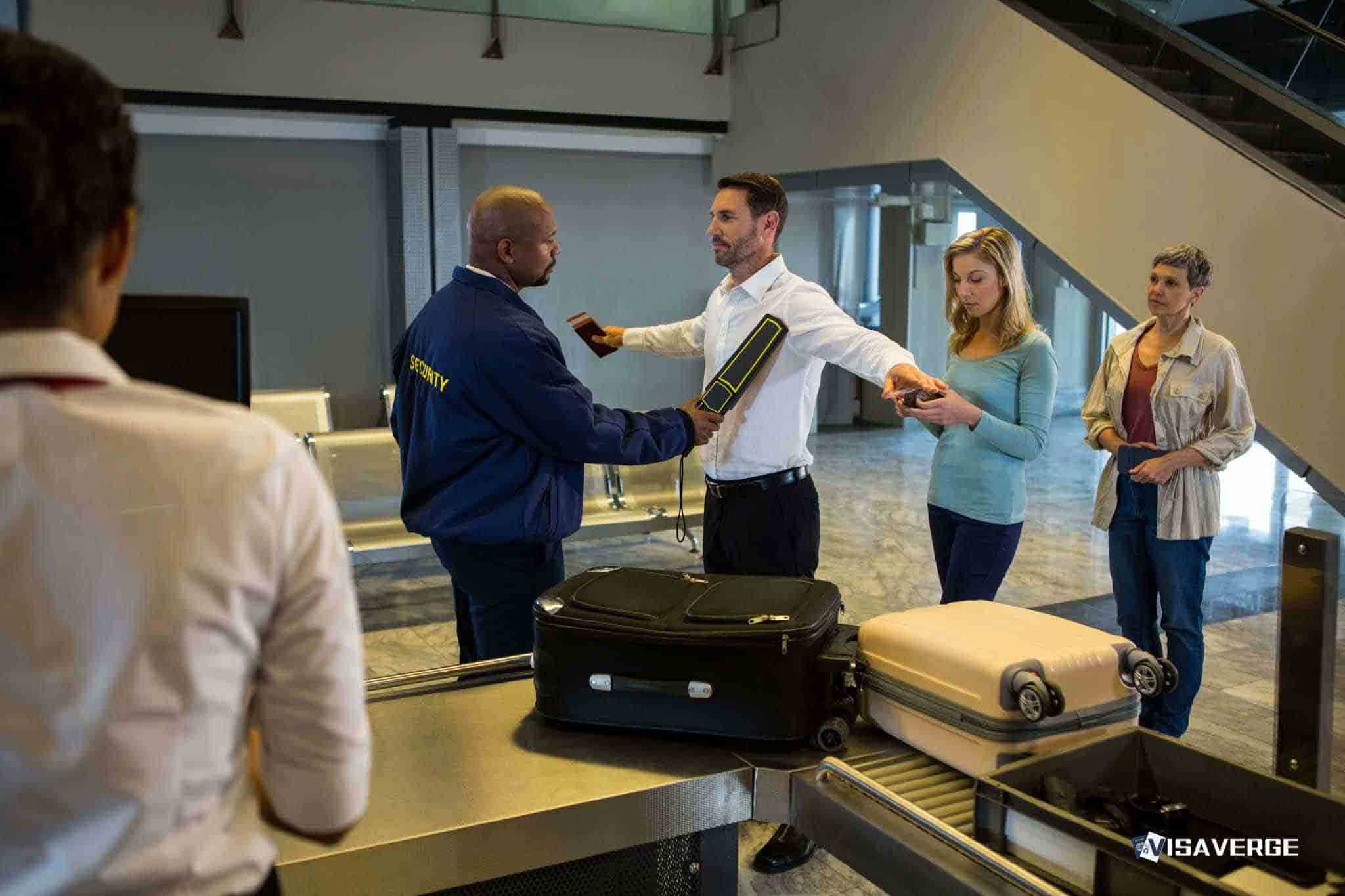
- DHS clarified that TSA PreCheck remains operational following a previously announced nationwide suspension.
- Airport screening lanes will be managed case-by-case based on local staffing during the shutdown.
- Enrollment remains valid, but passengers may face standard lines if dedicated lanes are unstaffed.
(UNITED STATES) — The U.S. Department of Homeland Security said Sunday that TSA PreCheck remained in operation, reversing or clarifying an earlier announcement that it would suspend TSA PreCheck and Global Entry lanes during a partial government shutdown.
A DHS spokesperson said at 10:04 a.m. ET, “At this time, TSA PreCheck remains operational with no change for the traveling public. As staffing constraints arise, TSA will evaluate on a case-by-case basis and adjust operations accordingly.”
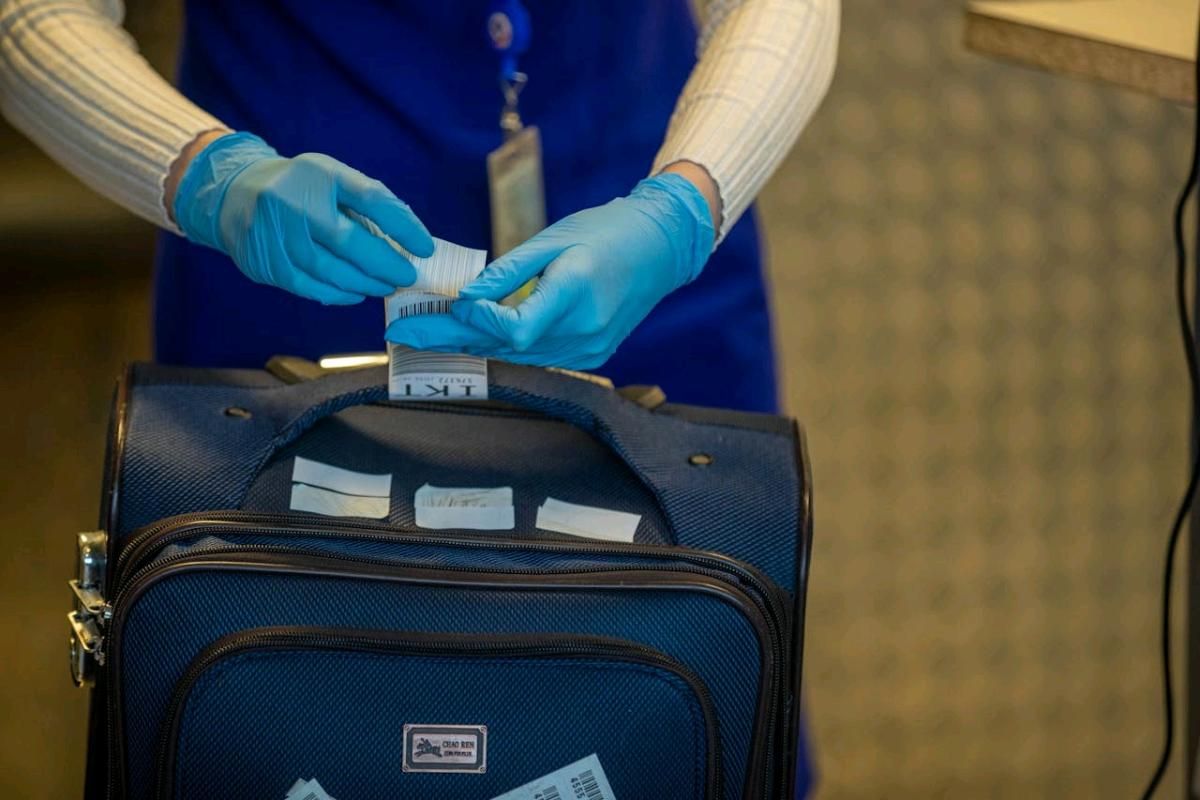
The statement followed an announcement on Saturday evening that DHS would suspend TSA PreCheck and Global Entry lanes effective Sunday at 6 a.m. ET, a message that triggered confusion for travelers trying to gauge how airport screening would work during the shutdown.
Expedited lanes matter most during periods of operational strain, when even small staffing shifts can push passengers from faster lines into standard queues, and airports make rapid adjustments that can vary by terminal and by hour.
The partial government shutdown began February 14, 2026, and DHS tied its planning to a funding dispute linked to immigration policy negotiations, as described in public statements accompanying the Saturday evening announcement.
DHS framed the Saturday message as a workforce decision during the shutdown, with the stated intent of preventing the agency from stretching staff too thin as Transportation Security Administration and Customs and Border Protection employees continue working without pay as essential workers.
Sunday morning’s clarification left travelers with a more complex reality than the Saturday message suggested: enrollment in TSA PreCheck and Global Entry continues, but the availability of dedicated lanes can depend on what TSA decides at specific airports when staffing constraints emerge.
Homeland Security Secretary Kristi Noem described DHS’s approach as “prioritizing the general traveling population” while the agency suspends “courtesy escorts, such as those for Members of Congress,” and makes “tough but necessary workforce and resource decisions” to avoid overstretching staff.
Noem’s comments, and the later spokesperson statement, drew a distinction between keeping baseline screening moving for the broader traveling public and maintaining optional services and dedicated lanes that require extra personnel to operate consistently.
The department’s messaging also underscored that TSA PreCheck as a program can remain in place even if a particular airport does not keep a separate PreCheck lane running at a given time, a difference that became central after the earlier announcement of a nationwide suspension.
Social media reports on Sunday indicated some TSA PreCheck lanes continued operating after the announced 6 a.m. cutoff at airports including Minneapolis, Washington Dulles, and Orlando, despite the Saturday evening message that TSA PreCheck and Global Entry lanes would be suspended.
That patchwork of reports highlighted the airport-by-airport uncertainty embedded in the DHS spokesperson’s later description of a “case-by-case” approach, and it left many travelers to discover conditions only after arriving at the checkpoint.
For passengers with TSA PreCheck who encounter closed lanes, the immediate impact is logistical rather than procedural: members retain their flying privileges, but they may shift into standard lines if dedicated lanes close, a move that can lengthen waits.
The shutdown-driven uncertainty also shaped expectations for travelers accustomed to seeing dedicated lanes staffed throughout the day, since staffing decisions made to preserve general screening throughput can change the balance between expedited lanes and regular lines.
DHS’s clarification did not address how long any airport might keep TSA PreCheck lanes open if staffing constraints intensify, instead pointing to ongoing evaluations and operational adjustments depending on local conditions.
The department’s statements also did not indicate that private expedited screening services would stop operating; CLEAR, a private expedited service, continued unaffected, according to the account of airport operations and traveler impact.
CLEAR differs from TSA-managed expedited lanes, and its continued availability meant some travelers still had a separate, privately operated option even if TSA adjusted how it staffed TSA PreCheck lanes at particular airports during the shutdown.
The Saturday evening announcement, and the Sunday morning reversal or clarification, landed amid broader shutdown pressures inside DHS, where essential employees at TSA and CBP remained on duty without pay.
DHS presented its staffing posture as an attempt to preserve core operations while pausing optional services that require additional staff, pointing specifically to the suspension of “courtesy escorts, such as those for Members of Congress.”
Political reaction came quickly after the initial message, with Democrats on the House Homeland Security Committee criticizing the decision as “kneecapping programs that make travel smoother,” and accusing intentional disruption.
Airlines for America, the major U.S. airline industry group, said the move used travelers as a “political football” with short notice, linking the sudden uncertainty to passenger experience at airports.
Those reactions focused less on the mechanics of lane staffing and more on the consequences for travelers who plan around predictable checkpoint routines, particularly on busy travel days when the difference between a dedicated lane and a standard line can shape arrival times and connections.
Even after DHS said TSA PreCheck remained operational, the agency’s case-by-case language kept the practical question alive: whether a traveler would actually see a TSA PreCheck lane operating at their departure airport at the moment they reached the checkpoint.
DHS’s operational posture also put Global Entry into the same category as TSA PreCheck lanes, after the Saturday evening announcement said both TSA PreCheck and Global Entry lanes would be suspended effective Sunday at 6 a.m. ET.
The department did not describe any change to enrollment validity for either program in its statements; instead, it emphasized lane operations and staffing, and it later indicated that TSA PreCheck remained operational while allowing for adjustments if staffing constraints arise.
DHS also described the current shutdown as a departure from past shutdown practice, calling this the first nationwide suspension of these programs in a shutdown, unlike prior shutdowns where lanes stayed open despite disruptions.
That characterization became part of the broader public debate over what constitutes a “core” security function versus an optional service, and whether the staffing required for expedited lanes can be sustained during a lapse in appropriations when essential personnel work without pay.
For travelers, the uncertainty remained tangible at the checkpoint: if TSA keeps a TSA PreCheck lane open, the experience resembles normal operations; if TSA closes the lane, the traveler’s privileges remain but the route through screening can change quickly.
DHS’s clarification sought to calm immediate concerns, but it also left room for further changes if staffing constraints deepen or vary by airport, a possibility embedded in the department’s case-by-case approach.
The department’s messaging also reinforced a sequencing that DHS leaders described as necessary during the shutdown: prioritize the “general traveling population,” reduce services described as “courtesy” or optional, and then adjust operations as staffing dictates at individual airports.
As DHS weighed those resource decisions, travelers faced a layered set of options and constraints: TSA-managed expedited lanes that could vary by airport, a private service in CLEAR that continued unaffected, and standard screening lines that could grow if dedicated lanes close.
The political dispute driving the shutdown formed the backdrop for the operational choices, with DHS tying the lapse in funding to immigration policy negotiations, and critics arguing the disruption fell hardest on passengers trying to move through airports efficiently.
While the House Homeland Security Committee Democrats described the decision as “kneecapping programs that make travel smoother,” and Airlines for America called it a “political football,” DHS emphasized staffing limits and its focus on broad screening operations.
Despite the Sunday morning statement that TSA PreCheck remained operational, DHS did not describe a uniform national guarantee that every airport would keep a dedicated TSA PreCheck lane open, instead signaling that local conditions would govern staffing choices.
That approach meant travelers could encounter different realities even on the same day, with some airports continuing to operate TSA PreCheck lanes after the earlier announced cutoff and others potentially shifting passengers into standard queues as staffing constraints arise.
DHS tied a return to normal lane operations to a single condition: restoration of DHS funding.
Until that happens, the agency’s messaging suggested enrollment could remain intact even when lane availability changes, creating a gap between what travelers have paid for and what they may experience at a particular airport checkpoint during a shutdown.
Enrollment fees remained $76.75–$85 for PreCheck, valid for 5 years, and $120 for Global Entry, valid for 5 years, according to the details provided alongside the reopening condition.
For travelers holding memberships, the practical bottom line in DHS’s updated posture was uncertainty rather than cancellation: TSA PreCheck remained operational, but lane availability could still shift with staffing, leaving passengers to find out at the checkpoint whether they will get a dedicated lane or join the standard line.