- The UK Home Office suspended study visas for nationals from Afghanistan, Cameroon, Myanmar, and Sudan.
- A specific halt on work visas was also announced exclusively for Afghan nationals.
- The government cited a 470% surge in asylum claims linked to students from these nations.
(UNITED KINGDOM) — The UK Home Office announced on March 4, 2026 an “emergency brake” that halts study visas for nationals of Afghanistan, Cameroon, Myanmar and Sudan, and stops work visas specifically for Afghans, citing a surge in asylum claims it said abused those routes.
Home Secretary Shabana Mahmood said the visa system was being exploited, framing the restrictions as a move to protect what the government called route integrity as asylum claims linked to student arrivals climbed.
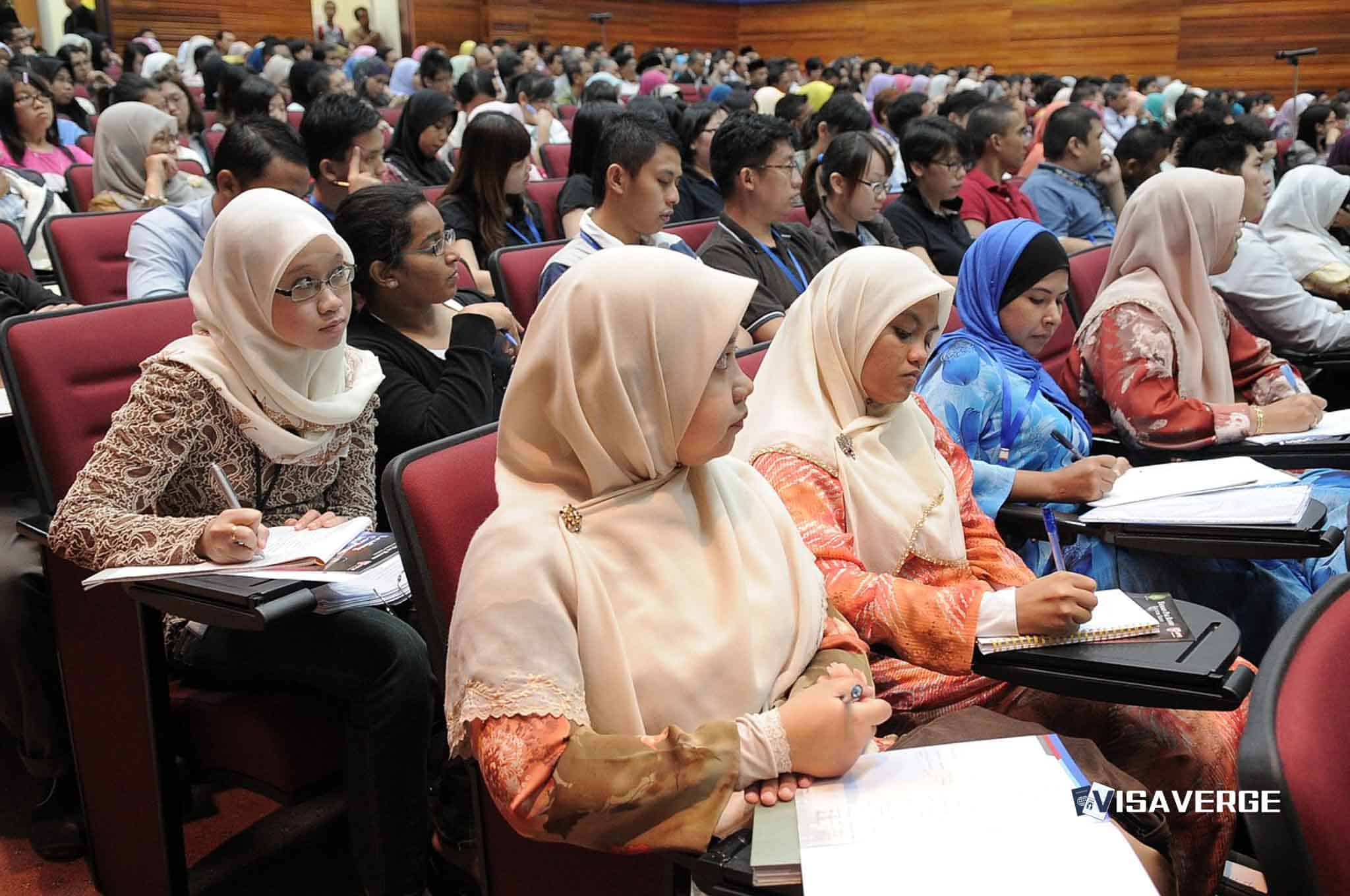
Prospective students, employers and education providers faced immediate uncertainty about new applications from the affected countries, with the Home Office tying the shift to formal changes to the Immigration Rules.
The Home Office said asylum applications from students of the four countries rose over 470% between 2021 and 2025, measured to the year ending September 2025.
Mahmood pointed to specific patterns within that increase, including a 95% rate of Afghan study visas leading to asylum claims.
Myanmar-linked student asylum claims increased sixteen-fold over the period cited by the Home Office, the government said.
The Home Office also described Cameroon and Sudan as recording large increases, saying claims rose more than 330%.
Alongside those country-by-country figures, the government said student visa arrivals still represent 13% of all asylum claims, despite a 20% reduction in such claims during 2025.
The “emergency brake” applies to study visas for nationals of Afghanistan, Cameroon, Myanmar and Sudan, while the work visa suspension in the announcement applies only to Afghans.
The Home Office did not set out in its announcement how the halt would be applied across different stages of a case, such as new submissions versus applications already in the system.
Even so, the government presented the split between study and work routes as deliberate, with all four countries included on study visas but only Afghanistan included on work visas.
Applicants and sponsors typically look to operational detail that follows Immigration Rules changes, as day-to-day handling often turns on what the rules say on the date an application is made.
The Home Office said it would implement the policy through Immigration Rules changes on March 5, 2026, placing the measure into the framework that governs eligibility and decision-making.
Those rule changes take effect on March 26, 2026, the Home Office said, setting the date when the new restrictions begin to operate in practice.
Effective dates matter because they determine which rules apply to an application, and the Home Office linked the emergency brake to the Immigration Rules effective date rather than a discretionary start point.
Students planning to start courses, and universities preparing for intakes, also watch such dates because they influence when sponsorship decisions can translate into visa applications.
Employers relying on Afghan hires face a separate constraint because the Home Office said it would halt work visas for Afghans as part of the same emergency brake package.
The Home Office cast the announcement as a response to asylum claims linked to students, arguing that the rise showed the routes were being used in ways the government did not intend.
By emphasising exploitation, Mahmood’s announcement connected student and work routes to asylum claims in a way that signals tougher scrutiny for categories the Home Office believes create a pipeline into the asylum system.
The Home Office presented the student-linked asylum numbers as a notable share of the system overall, even as it pointed to the 20% reduction in such claims during 2025.
The decision sits within a wider set of measures the government associated with its approach to migration and asylum, including changes to the duration of refugee protection.
The Home Office said the government halved refugee protection to 30 months from March 2, 2026, placing that move in the same policy environment as the emergency brake on selected visa routes.
Mahmood’s department has also signalled a willingness to use visa access as leverage in other contexts, including prior threats to suspend visas for Angola, Namibia and DR Congo over migrant returns.
In parallel with tightening entry routes, the Home Office pointed to the UK’s resettlement standing as a separate channel, saying Britain resettled the sixth-largest number of UNHCR-referred refugees globally from 2010-2025.
That resettlement record, as described by the Home Office, sits apart from the study visas and work visas affected by the emergency brake, which targets specific nationalities and routes.
For students from Cameroon, Afghanistan, Myanmar and Sudan, the announcement means the study visa path is set to close under the Immigration Rules once the effective date arrives.
Education providers that recruit internationally must now factor in the Home Office’s timetable and the list of nationalities in scope as they communicate with prospective students.
Afghan nationals seeking to come to the UK for work under the relevant route face a separate suspension, which the Home Office framed as part of the same response to asylum claims.
The emergency brake also raises practical questions for sponsors and applicants about how the Home Office will handle cases submitted close to the rule-change window, an issue that often depends on transitional arrangements in official instructions.
Those affected now need to monitor further Home Office guidance and any additional Immigration Rules updates that clarify how the suspension operates at the application stage.
With the government linking the policy to asylum claims and route integrity, universities and employers also face the prospect of tighter compliance expectations, even as the Home Office focuses the halt on the listed nationalities and categories.
The Home Office’s central claim remains that a sharp rise in asylum claims linked to students from Afghanistan, Cameroon, Myanmar and Sudan drove the emergency brake, with Mahmood arguing the system was being exploited.