- A traveler with a valid H-1B visa was denied U.S. entry at Abu Dhabi preclearance.
- CBP officers cited discrepancies in visa stamping and employment documentation during inspection.
- The incident highlights increased immigration scrutiny following New Year’s 2026 policy changes.
(ABU DHABI) — U.S. Customs and Border Protection officers stopped an Indian national with a valid U.S. H-1B visa at the Abu Dhabi preclearance facility and sent the traveler back to India, despite the person clearing document checks before departure.
The incident, reported on January 28, 2026 in NRI and visa-related social media groups, unfolded after the traveler cleared routine checks at Hyderabad airport and flew to Abu Dhabi for U.S. preclearance before boarding onward to the United States.

CBP officers conducted a further interview at the preclearance checkpoint in Abu Dhabi and denied the traveler onward travel, illustrating that visa issuance and admission decisions are separate processes.
U.S. preclearance facilities operate at select international airports, including Abu Dhabi, allowing passengers to undergo CBP inspection before departure and arrive in the United States as domestic arrivals.
That screening is distinct from visa stamping at U.S. consulates, and the final decision to permit travel or admission rests with immigration officers at preclearance or at a U.S. port of entry.
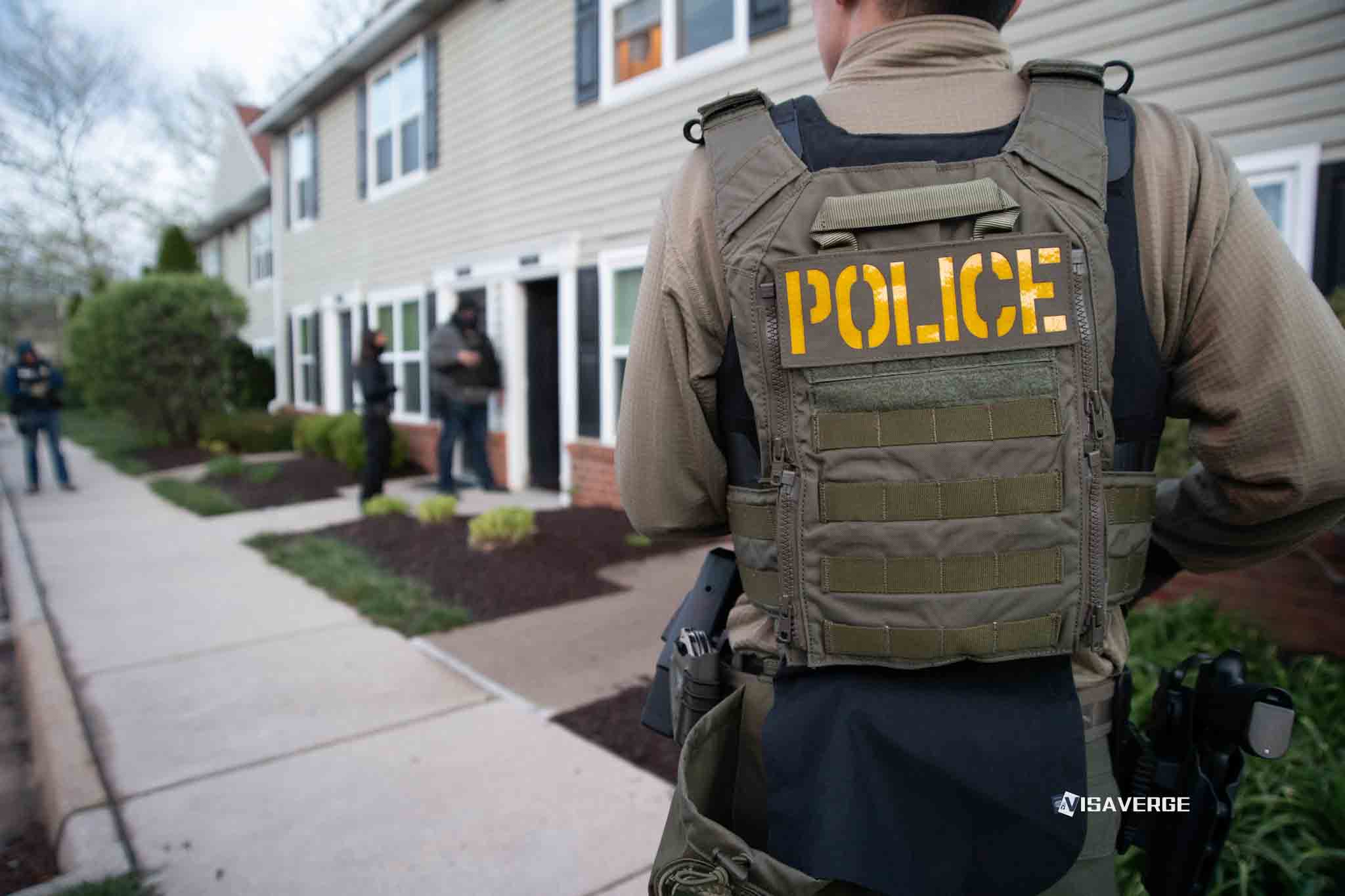
Immigration officers at preclearance checkpoints have broad authority to examine documentation, ask detailed questions about employment or travel intent, or refer cases for secondary inspection.
In the January 11, 2026 incident, CBP officers asked to see recent pay stubs and questioned whether the individual’s role was onsite or remote/hybrid, according to the detailed accounts shared in community groups.
Complications arose because the traveler had changed employers six months prior and carried a new Form I-797 (Notice of Action) approval, while the physical visa stamp in the passport still listed the previous employer.
Officers informed the traveler that their visa was “close to expiry” and told the person they should have obtained a new visa stamp reflecting the current employer, according to the account.
The visa remained valid through March 2026, and the traveler said visa appointment slots were unavailable, but CBP denied onward travel and ordered the return to India, the accounts said.
The episode has renewed anxiety among H-1B visa holders and their families, NRIs planning relocation or return to the United States, and international students and workers with global travel plans, especially when enforcement happens before boarding.
Travelers with valid visas, including H-1B, L-1, and F-1, may be refused permission to board if preclearance officers have unresolved questions about documentation or admissibility, according to the account.
For H-1B holders, the incident underscored that a valid visa allows a traveler to seek entry at a U.S. port of entry, but admission is determined by immigration officers at the port of entry or preclearance facility.
Preclearance adds another layer of scrutiny because officers may review visa validity and status, employment verification documents such as Form I-797 and employer letters, evidence of ongoing employment or payroll, and consistency of travel purpose and timing.
Accounts in community groups have also described CBP officers increasingly asking for access to personal devices and corporate applications, including Microsoft Outlook/Teams, to verify employment status on the spot.
The January 28, 2026 reports linked the incident to a broader enforcement climate tied to late 2025 and early 2026 policy actions, including Presidential Proclamation 10998 and a USCIS policy memorandum that took effect on January 1, 2026.
Presidential Proclamation 10998, dated Dec 16, 2025 and effective January 1, 2026, expanded entry restrictions to 39 countries and called for heightened scrutiny during the immigration process.
“The United States must exercise extreme vigilance during the visa-issuance and immigration processes to identify. foreign nationals who intend to harm Americans or our national interests.”
— Proclamation 10998, WhiteHouse.gov, Dec 16, 2025.
On New Year’s Day 2026, USCIS issued Policy Memorandum PM-602-0194 directing personnel to place a “Hold and Review” on benefit applications for individuals from designated high-risk regions and conduct a “comprehensive re-review” of previously approved benefits, according to the memo.
The memorandum appears at USCIS Policy Memorandum PM-602-0194.
The same policy backdrop includes H-1B program reforms and fees described in the reports, including a proclamation signed September 19, 2025 requiring a $100,000 payment for any new H-1B petitions submitted for workers outside the U.S.
A final rule effective February 27, 2026 replaces the random H-1B lottery with a weighted process favoring higher-paid and higher-skilled workers, the reports said.
“We will continue to demand more from both employers and aliens so as not to undercut American workers and to put America first.”
— USCIS spokesperson Matthew Tragesser said on December 23, 2025.
For travelers, the Abu Dhabi preclearance incident also highlighted a practical reality of the system: a denial at preclearance means the traveler never officially enters the United States, and the decision happens before the flight departs.
Community accounts described immediate costs and disruption, with travelers responsible for the cost of return flights and often losing non-refundable travel expenses.
The reports also described risks that can follow, including formal revocation of the visa under 22 CFR 41.122(h)(3), which the accounts said can lead to a 5-year bar or difficulty obtaining future U.S. visas.
In prior years, some H-1B visa holders reported challenges at preclearance when travel histories or extended absences outside the United States were scrutinized, even when visa validity was intact, according to the accounts.
The incident prompted renewed emphasis within visa groups on carrying employment documentation and being prepared for secondary inspection when routing through preclearance.
Suggested preparation includes traveling with a valid passport and visa stamp, a current Form I-797A approval notice, recent pay stubs, employer contact information, and a letter from the employer confirming ongoing employment and job duties.
The guidance also urged travelers to arrive early, cooperate fully if referred for additional questioning, and consider consulting immigration counsel if denied boarding or a return is ordered.
For many professionals, the January 11, 2026 experience served as a blunt reminder that even a valid H-1B visa does not guarantee boarding or entry when preclearance applies, and that officers can decide admissibility before the plane leaves Abu Dhabi.