(CANADA) A wave of cross-border extortion and violence is targeting immigration consultants and small business owners, hitting south asian communities hardest in Canada 🇨🇦 and spilling into the United States 🇺🇸 through phones, social media, and in-person actors.
The threat is not abstract. It has included shootings, arson, and direct death threats tied to transnational networks with links across Canada, the United States, and India.

This guide explains the verified public record, what governments have said and done, and how to protect your safety and your immigration case.
It’s practical information, not legal advice.
1) What the crisis looks like on the ground in Canada 🇨🇦
The pattern is consistent across many reports: a demand for money, a threat that feels personal, and pressure that escalates when a target hesitates.
Immigration-facing businesses sit in the crosshairs because they often handle cash flow, run busy storefronts, and hold sensitive personal data.
For many victims, the fear is two-layered. First comes the physical risk to family and staff. Then comes a quieter fear: that reporting will expose immigration status, work history, or private family ties.
criminals exploit that fear. They also exploit distance. A threat can arrive by WhatsApp from outside Canada 🇨🇦, then be reinforced by someone local who can prove they know where you live, where you park, or where your children go to school.
south asian communities feel this pressure more intensely because of diaspora ties and transnational family networks. When threats mention relatives abroad, the danger feels immediate even if the caller is on another continent.
2) What authorities are saying, and why their words matter
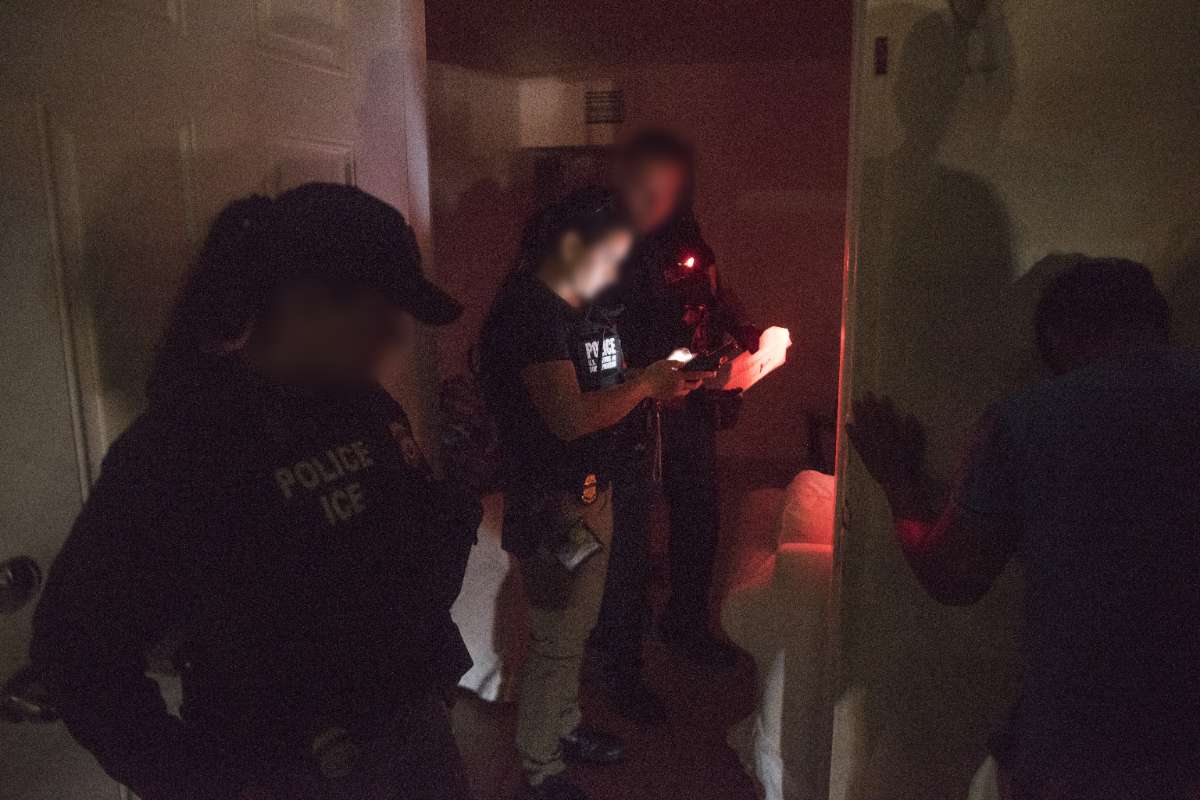
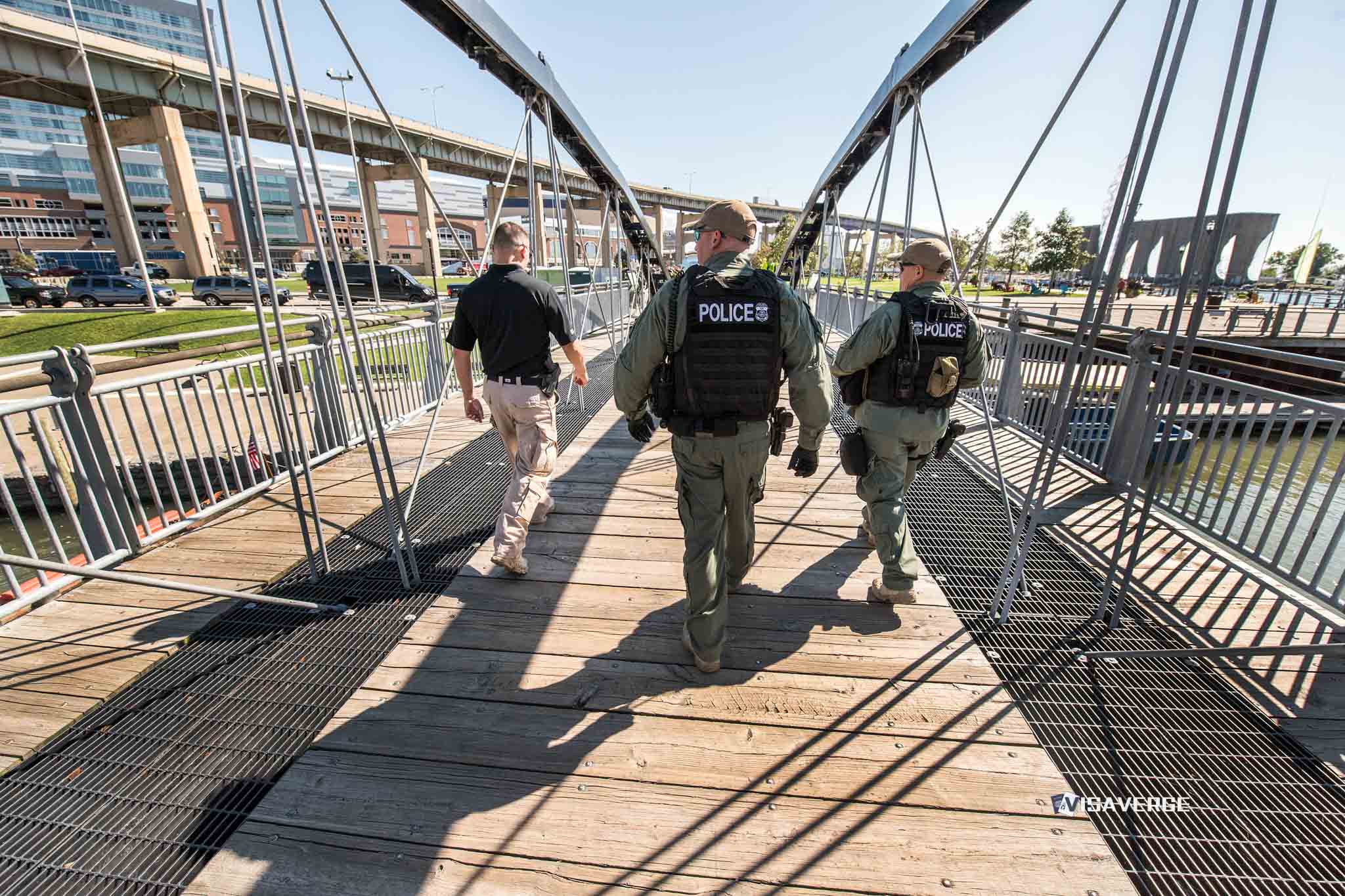
U.S. Department of Homeland Security messaging has focused on manpower and enforcement posture, with a clear signal that cross-border intimidation is on the radar.
DHS spokesperson Tricia McLaughlin said on January 3, 2026: “The good news is that thanks to a bill President Trump signed, we have an additional 12,000 ICE officers and agents on the ground across the country. That’s a 120% increase in our workforce, and that’s in just about four months. The accelerated hiring tempo has allowed ICE to place officers in the field faster than any previous recruitment effort in the agency’s history.”
For victims in Canada 🇨🇦, that kind of statement matters because it points to more investigations that cross the border quickly. It also signals what agencies want next: reporting, documentation, and cooperation that builds court-ready cases.
A concrete U.S. case shows how intimidation can travel. On December 15, 2025, U.S. authorities charged Jasmeet Singh in the Eastern District of California with interstate communication of threats of violence.
Prosecutors allege he made death threats via WhatsApp to a victim in British Columbia, Canada 🇨🇦, on behalf of the Lawrence Bishnoi gang.
In the criminal complaint, FBI Special Agent Brian Toy said: “I believe that Singh sent this photo [of the victim’s vehicle in Canada] to reinforce that the threat he was making. was backed up by the ability to carry out the threat. Singh has associates in Canada who were able to obtain a photo of Victim 1’s vehicle.”
That detail is chilling for targets. It shows how a digital threat becomes more believable when paired with local surveillance.
3) Core facts you need for a clear, safe response
The alleged model works because it targets people who feel exposed. Immigration consultants can be painted as wealthy and can also be blackmailed through access to client files, identity documents, and family details.
Public reporting and enforcement updates describe a familiar escalation ladder:
- A demand arrives, often framed as a “fee” or “donation.”
- The threat turns explicit when payment is refused.
- Violence or property damage is used as proof of reach.
- The victim is warned not to speak to police.
Reluctance to report is not a sign the threat is minor. It’s often the opposite. People fear retaliation, business collapse, and community stigma.
Some also fear that contact with authorities will affect a work permit, study permit, or a pending immigration file.
Canada 🇨🇦 has treated the network as more than ordinary organized crime. On September 29, 2025, the Canadian government listed the Lawrence Bishnoi gang as a terrorist entity, citing its role in “terror, violence, and intimidation” across North America.
A terrorist listing can support broader investigations and financial disruption, and it can widen cooperation across agencies.
According to analysis by VisaVerge.com, that designation also changes how many immigrant communities read risk: a “local” threat can quickly become a national-security matter, with faster information-sharing and more pressure to identify facilitators.
4) How policy moves change the immigration journey for real applicants
Canada 🇨🇦 has introduced Bill C-12, described as allowing mass cancellation of visa applications to help purge fraud linked to criminal networks.
The intent is deterrence and faster risk removal. The downstream effect for ordinary applicants is often more scrutiny.
Expect tighter checks in areas that fraud rings commonly exploit:
- identity consistency across passports, applications, and prior refusals
- proof of funds and business activity that matches bank records
- school or employer legitimacy checks
- more document requests where facts don’t line up cleanly
In the United States 🇺🇸, the “One Big Beautiful Bill Act” has provided funding to “turbocharge” ICE hiring and removals.
Operationally, more staffing often means more capacity for interviews, site visits, and coordinated work with other agencies.
For immigrants and visa holders, the practical message is simple: keep your case clean and your paperwork consistent. Strong enforcement usually hits fraud first, but it also increases the chance that honest mistakes get noticed and questioned.
5) Why the Canada–U.S.–India bridge keeps this threat alive
This crisis persists because it’s transnational by design. Networks can recruit through diaspora ties, move money across borders, and rotate people in and out using temporary status pathways.
Even when a leader operates from abroad or from inside an Indian jail, local actors can still carry out violence.
Public accounts describe “foot soldiers” operating in Canada 🇨🇦, sometimes present on student or work visas. Their value to a network is simple: local presence creates local fear.
The cross-border dimension also explains why immigration systems get pulled in. People targeted by extortion might hesitate to report because they fear their status is fragile. People involved in crimes may try to use immigration processes to slow consequences.
Diplomacy and border security also intersect here. The situation has strained Canada–India relations and prompted a stronger U.S. security posture to prevent permanent criminal cells.
6) Step-by-step: what to do if you’re targeted, and what to expect next
If you receive an extortion demand, treat it as a safety and documentation emergency, not a negotiation.
- Get to safety and protect staff and family first. If there is immediate danger, call local emergency services. Move routines, limit public location sharing, and tighten store access.
- Preserve evidence without engaging. Save messages, screenshots, call logs, payment instructions, and any photos sent to you. Write down dates, times, and exact wording while it’s fresh.
- Report through official channels and ask about safer reporting options. Many victims want a controlled approach that protects privacy. A clear, consistent report also protects your credibility later.
- Protect your immigration file from contradictions. If you later need to explain threats in an immigration context, inconsistent timelines can harm you. Keep one written chronology and stick to it.
- Harden business practices right away. Limit who can access client files, lock down devices, train staff on threat calls, and document every security incident and expense.
In British Columbia, enforcement has been public about the scale of the challenge. In 2025, 101 extortion-related files and 44 shootings were reported in Surrey, BC.
The BC Extortion Task Force—made up of RCMP, CBSA, and municipal police—has investigated over 100 foreign nationals.
CBSA action has also been public. As of January 2026, the CBSA had removed at least 5 individuals linked to these investigations, while 15 others filed last-minute refugee claims to stall deportations.
Legal experts warn that such claims can stretch timelines, buying 3 to 5 years while cases are adjudicated.
For small businesses, the impact is immediate: closures, higher insurance pressure, private security costs, and lost foot traffic. The psychological toll is just as real, especially when threats mention family abroad.
7) Where to verify updates and reduce misinformation
Follow official sources, and match updates to real government domains and court records. Start with these public pages and check them regularly:
- USCIS newsroom: https://www.uscis.gov/newsroom
- DHS press releases: https://www.dhs.gov/news
- CBSA updates: https://www.canada.ca/en/border-services-agency/news.html
- Public Safety Canada: https://www.publicsafety.gc.ca
A practical verification habit helps. Compare headlines across agencies, look for named task forces, and check whether an announcement links to an enforcement action or a court filing.
Bookmark these pages and revisit them as investigations and prosecutions move forward.
Law enforcement in Canada and the United States are intensifying efforts to combat a surge in cross-border extortion targeting the South Asian community. Criminal networks use WhatsApp threats and local surveillance to intimidate immigration consultants. With new legislation like Bill C-12 and increased ICE staffing, both nations aim to disrupt these networks. Victims are advised to prioritize physical safety, document all threats, and report to authorities immediately.