- Ghana will implement visa-free entry for all Africans starting May 25, 2026, to boost continental mobility.
- President John Mahama announced the policy during a historic state visit by Zimbabwe’s President Emmerson Mnangagwa.
- Ghana joins four other nations offering total visa-free access to all African passport holders across the continent.
(GHANA) — Ghana will grant visa-free entry to all African passport holders starting May 25, 2026, a move President John Mahama announced during the first state visit to Ghana by Zimbabwean President Emmerson Mnangagwa.
Foreign Affairs Minister Sam Okudzeto Ablakwa confirmed the policy, which will take effect on Africa Day and place Ghana among a small group of African countries that have opened their borders in the same way to travelers from across the continent.
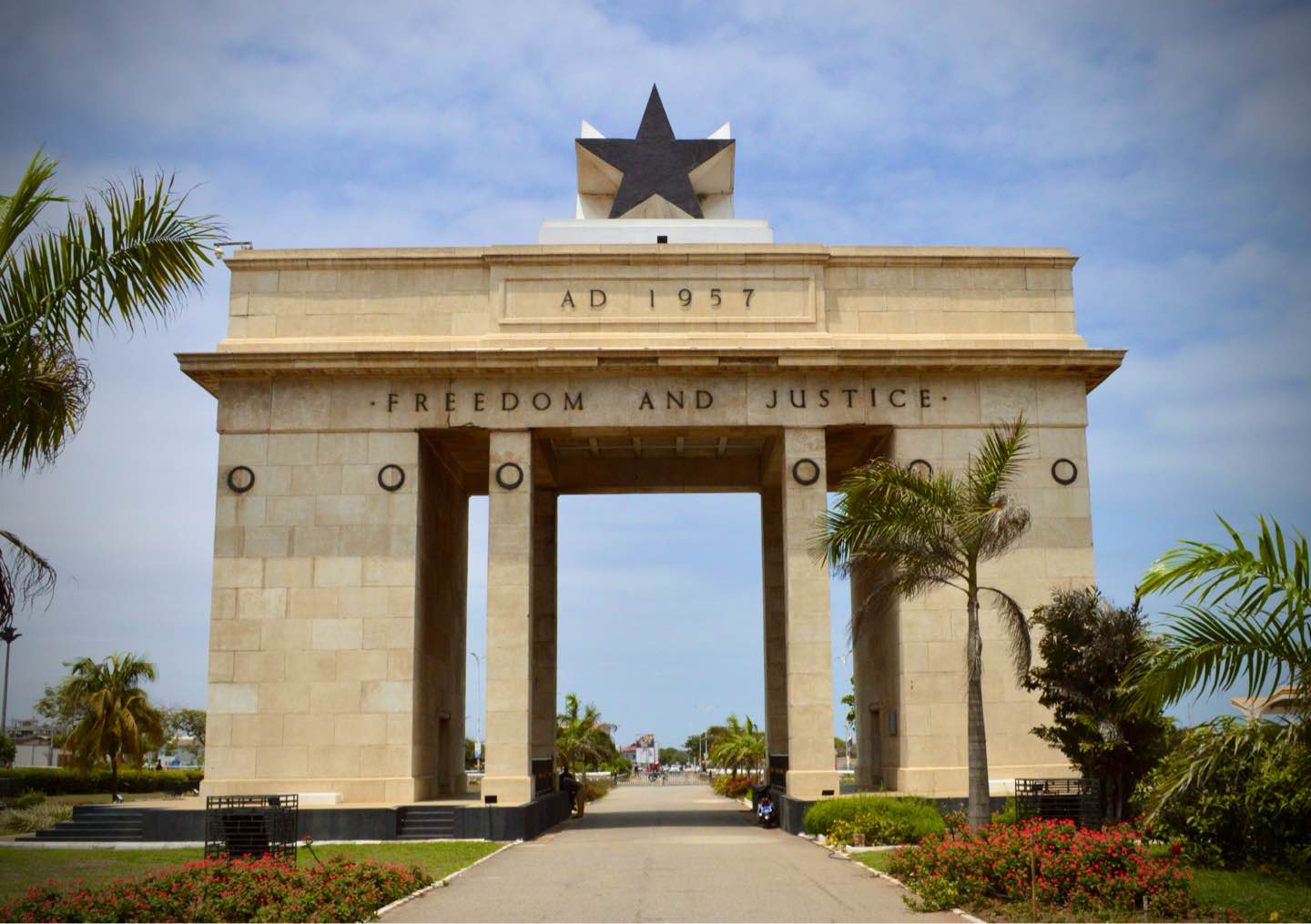
The decision means African passport holders will be able to enter Ghana without first obtaining a visa, marking a shift in the country’s travel rules and tying that change to a date that carries continental symbolism.
Mahama unveiled the measure as Ghana hosted Mnangagwa, linking the announcement to a diplomatic moment as well as to a wider message on African mobility. Ablakwa confirmed the plan after the president’s announcement.
With the new policy, Ghana becomes the fifth African nation to offer visa-free access to all Africans. It joins Benin, The Gambia, Rwanda, and Seychelles.
That places Ghana within a small but growing group of countries that have adopted continent-wide visa-free entry policies, rather than limiting access through regional arrangements or narrower exemptions.
The move also revives an earlier initiative announced by former President Nana Akufo-Addo. He introduced the idea in his final State of the Nation Address in January 2025, but it did not take effect before his tenure ended.
By moving ahead with the plan now, Mahama’s administration has picked up a policy that had already entered Ghana’s political agenda but had not yet been implemented.
The May 25, 2026 start date gives the announcement a fixed implementation point and aligns the measure with Africa Day, a date often used by governments and institutions to signal commitments tied to continental unity and integration.
Officials also tied the change to a broader set of immigration reforms. A new e-visa platform will launch next month to streamline processes while upholding border controls.
That means the visa-free entry policy is not being presented as a stand-alone measure. Instead, it comes alongside changes to how Ghana manages travel procedures and border administration.
The e-visa platform points to a dual approach: easier movement for some travelers and a digital system for handling immigration processes more efficiently. Officials said those changes would move forward while maintaining border controls.
For African travelers, the practical effect of visa-free entry is direct. The policy removes the need for a visa before traveling to Ghana, reducing one of the formal steps that often shapes cross-border trips.
That can matter for tourists planning short visits, business travelers arranging meetings, and other passengers moving across the region. By dropping the visa requirement for African passport holders, Ghana is easing an administrative hurdle that can affect travel decisions.
The change also gives Ghana a clearer position in debates over regional mobility inside Africa, where governments have often spoken about freer movement but adopted different policies in practice.
In Ghana’s case, the administration has now set a date and a category of travelers covered by the new rule: all African passport holders from May 25, 2026.
The announcement came during Mnangagwa’s visit, giving the measure a diplomatic setting beyond domestic policy. State visits often produce statements on trade, political ties, and bilateral relations, and Mahama used the occasion to add a continent-wide travel policy to that mix.
Ablakwa’s confirmation gave the announcement ministerial backing and connected it to the government’s foreign affairs and immigration posture. His role also placed the measure within Ghana’s broader external relations agenda, rather than treating it solely as an internal administrative change.
Ghana’s decision is likely to draw attention because it expands access beyond a regional bloc or a limited set of national exemptions. Benin, The Gambia, Rwanda, and Seychelles have already taken comparable steps, and Ghana now joins that group.
Each addition to that list adds weight to the idea of easier movement across the continent. Ghana’s place as the fifth country to do so gives the decision both a practical effect for travelers and a symbolic role in African integration.
The historical thread behind the policy remains important. Akufo-Addo had already announced the initiative in January 2025, but it did not take effect before his tenure ended, leaving the plan unfinished.
Mahama’s government has now given that earlier proposal an execution date. In doing so, it has turned a previously announced idea into an active policy set to begin on May 25, 2026.
The timing of the e-visa platform also matters because it suggests Ghana is preparing for changes in travel flows while keeping immigration systems active. Officials said the platform would launch next month, alongside the broader reforms accompanying the visa-free policy.
That pairing allows the government to present the policy as both open and managed. On one side is visa-free entry for all African passport holders; on the other is a digital platform designed to streamline processes and preserve border controls.
For tourism, the measure may make Ghana easier to choose for travelers weighing destinations inside Africa. For business travel, it removes a step that can delay or complicate short-notice trips.
Regional mobility sits at the center of the policy’s broader meaning. Visa rules can shape not only who travels, but how often people move for commerce, meetings, family visits, and events across borders.
By setting a visa-free entry policy for all African passport holders, Ghana is making a statement about that movement in concrete terms. The rule is scheduled, defined, and linked to a wider reform package.
The Africa Day timing gives the announcement another layer of meaning. Rather than taking effect on an ordinary administrative date, the policy begins on a day associated with continental identity.
That alignment strengthens the message Ghana is sending through the measure: that cross-border travel by Africans within Africa should become easier, while immigration systems continue to operate through updated tools such as the e-visa platform.
Much of the attention now will center on the start date. From May 25, 2026, African passport holders will be able to enter Ghana without a visa, and the country will join Benin, The Gambia, Rwanda, and Seychelles in adopting that approach.
The decision closes the gap between Akufo-Addo’s January 2025 announcement and actual implementation. It also gives Mahama an early continental policy marker, unveiled during Mnangagwa’s visit and timed to begin on Africa Day.