- The UK Foreign Office stepped up evacuation planning on March 4 as regional tensions in the Middle East escalated.
- Approximately 300,000 British nationals are in affected areas, with 130,000 already registered on the official crisis portal.
- The U.S. activated a 24/7 task force considering military and chartered flights to evacuate nearly 1,600 seeking help.
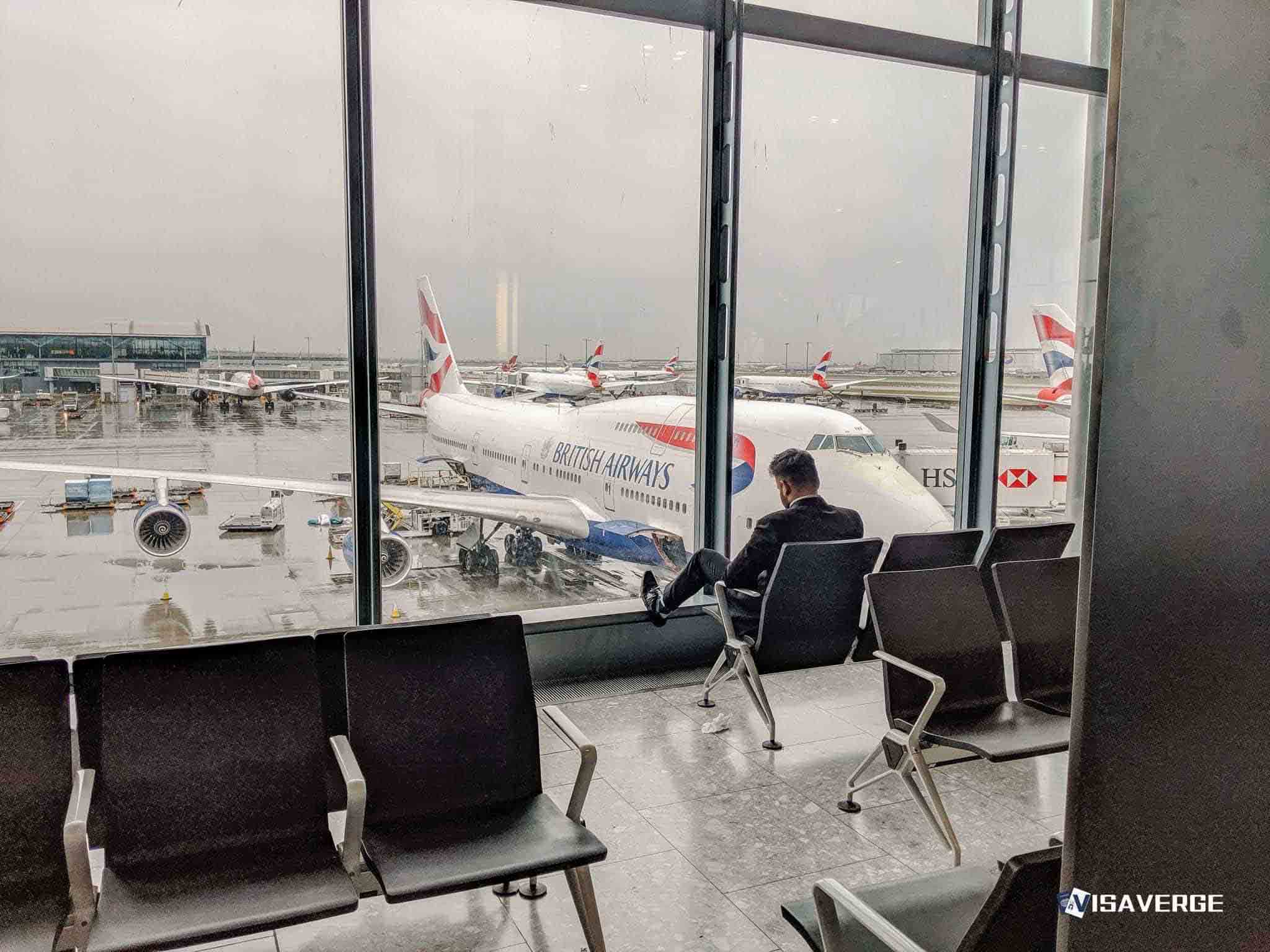
(MIDDLE EAST) — The UK Foreign Office stepped up evacuation planning on March 4, 2026 as British nationals across parts of the Middle East reported growing difficulty leaving amid escalating regional tensions and widespread aviation disruption.
Official reports put the number of Britons in the affected region at approximately 300,000 British nationals, while 130,000 had registered with the UK Foreign, Commonwealth & Development Office (FCDO) crisis portal, up from 102,000 on March 2.
U.S. Secretary of State Marco Rubio said on March 4, 2026 that the State Department had activated a 24/7 task force and was identifying “military flight options” to help Americans and partners depart. “Almost 1,600 Americans are seeking help to leave the region. We are looking to use a mix of military and chartered flights,” Rubio said.
British officials have treated FCDO crisis registration as a central channel to build situational awareness, relay fast-changing instructions and identify people who may need help, as regional stability and commercial travel options shift quickly.
The crisis followed a major military escalation between U.S.-Israeli forces and Iran, with spillover effects that have spread beyond any single country’s airspace and into travel corridors used by residents, holidaymakers and transit passengers.
Joint U.S.-Israeli military action in Iran began on February 28, 2026, triggering what official reports described as rapid regional spillover and “sustained attacks” across the Gulf.
Prime Minister Keir Starmer told Parliament on March 2 that Iranian drones had struck within 800 yards of British personnel at RAF Akrotiri in Cyprus, a development that sharpened travel warnings and intensified planning for departures.
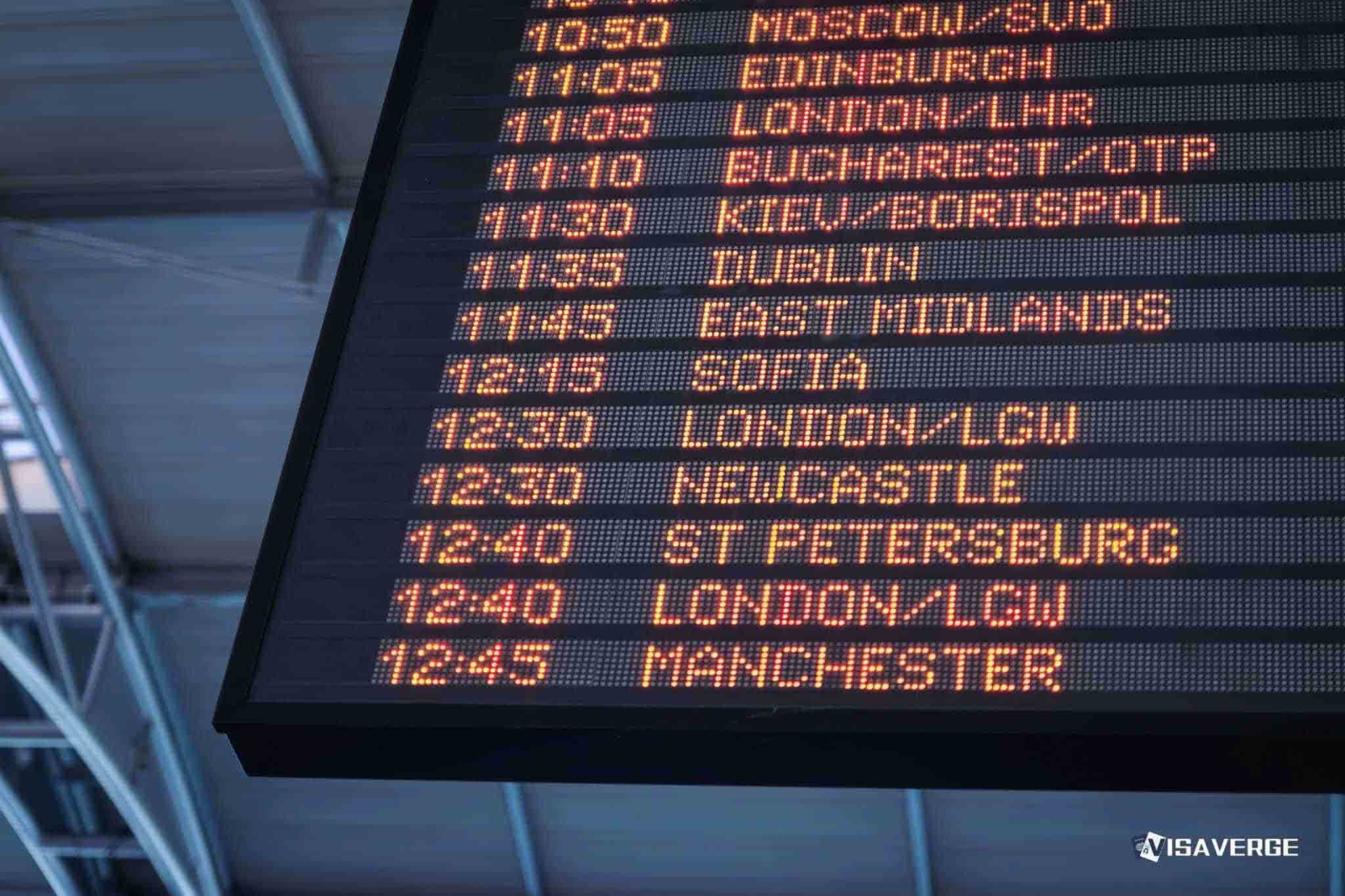
Airlines and airports have faced large-scale and ongoing disruption since the conflict began, with knock-on effects for both direct routes and connections through major Gulf hubs.
UK-led evacuation planning has centered on government-chartered flight arrangements, with Muscat, Oman designated as the primary staging point for departures. The hub status has mattered for travelers who can reach Oman, but it also adds layers of routing and documentation pressure for those whose nearest airports have suspended or reduced service.
U.S. messaging has emphasized heightened security and coordination with partners as travelers try to leave a region facing missile threats and sporadic airspace interruptions.
DHS Secretary Kristi Noem told lawmakers on March 3, 2026 that the United States had an “elevated security posture” at U.S. airports and transit hubs and was working with international partners to manage travelers fleeing the conflict zone.
Assistant Secretary for Consular Affairs Mora Namdar issued a high-level advisory on March 2, 2026 urging U.S. citizens in 14 countries, including the UAE, Qatar and Bahrain, to “DEPART NOW”. “Americans should leave using available commercial transportation, due to serious safety risks,” Namdar said.
U.S. officials have also linked the crisis to operational shifts in immigration processing and screening, framing the changes as a security measure during conflict.
USCIS Director Joseph Edlow said on social media on March 2, 2026 that asylum reviews would remain suspended “until every alien is vetted and screened to the maximum degree possible” to ensure national security during the conflict.
Airspace and airport disruptions have hit major Gulf transit points that serve as critical connections between Europe, Asia and Africa, leaving stranded travelers competing for limited seats on the remaining commercial flights.
Major hubs in Dubai, Doha, and Riyadh have faced full or partial closures after Iranian missile strikes on civilian targets, including a hotel in Dubai and the Kuwait civilian airport, official reports said. The closures have complicated onward travel for people who are not trying to remain in the Gulf but need connections through it to reach home.
For UK travelers and families trying to move quickly, changes to border and document rules have intersected with the crisis in ways that affect who can board flights and what paperwork carriers will accept.
On Feb 25, 2026, just days before the conflict, the UK began strict enforcement of its Electronic Travel Authorisation (ETA) system. Dual British nationals became legally required to present a valid British passport or a £589 Certificate of Entitlement to board flights to the UK, a shift that has left some families without current documentation “stranded” at the border even as they try to flee the war zone.
Registration through the FCDO crisis portal has surged as conditions changed, but registration itself does not remove the practical constraints created by airspace interruptions, airline suspensions and carrier checks at departure points.
Officials have treated the portal as a way to distribute guidance and understand where demand for assistance concentrates, particularly as travelers attempt to reach evacuation hubs or reroute through still-functioning airports. For many, the immediate problem has been reaching any operational departure point and securing a seat that will be honored when check-in opens.
U.S. entry restrictions have also shaped travel decisions for some people transiting through the region, especially those whose plans include onward travel to the United States after leaving the Gulf.
U.S. Presidential Proclamation 10998, effective January 1, 2026, suspended entry for nationals from 39 countries, complicating travel for those without valid U.S. visas. In practice, the proclamation can matter even for travelers who are not starting their journey in the United States, because last-minute rerouting can change where people connect and what documents they must present for onward travel.
The pace of disruption has been reinforced by the scale of aviation impacts since the conflict began, with official reports comparing the shock to the pandemic-era collapse in flying.
Officials described the situation as the most severe disruption to global aviation in the Middle East since the 2020 pandemic, with over 20,000 flights canceled since the start of the conflict. Each cancellation also ripples outward, as missed connections clog alternative routes and compress remaining capacity onto fewer planes.
Guidance on personal safety has narrowed the ability of some people to even reach airports or border crossings, particularly where missile threats or air-defense activity have prompted broad advisories.
Citizens in Qatar, Bahrain and the UAE have been advised to “stay home or shelter in place” due to ongoing missile threats, a warning that can leave travelers weighing whether it is safer to remain where they are or attempt overland movement to another country or a functioning airport.
Muscat’s role as a staging point has put focus on cross-border movement inside the Gulf and on the sequence of instructions travelers receive, which can change as flight availability shifts or as security warnings expand.
For British nationals, the Foreign Office response has combined travel advice updates with evacuation planning and crisis registration, while also signaling that travelers should use commercial options where available. That approach reflects the reality that charter capacity and staging arrangements can take time to organize, and that airports may reopen temporarily even after closures.
Americans in the region have faced a similar tension in official advice: use commercial options when possible, but do so under a warning that conditions can deteriorate quickly and that security guidance may restrict movement.
Rubio’s comments about “military flight options” and a mix of military and chartered flights pointed to contingency planning designed to supplement commercial travel, but not necessarily replace it. Namdar’s emphasis on available commercial transportation underscored that many departures still depend on seats that can vanish quickly as airlines adjust schedules.
Costs have risen as supply tightens, with stranded travelers reporting “inflated prices” for the few remaining commercial seats. For families trying to move together, price spikes can compound the difficulty of finding multiple seats on the same routing, especially when airlines open and close inventory in response to disruptions.
Immigration-related expenses have also intersected with the crisis for some travelers, including those seeking urgent processing for U.S. documentation as plans change.
A 5.7% increase in USCIS premium processing fees took effect on March 1, 2026, adding to the cost for applicants who need urgent U.S. visa updates during disruption. For some, the timing has meant higher fees just as travel itineraries become more expensive and less reliable.
Governments have urged travelers to follow official channels closely, with notices sometimes changing within hours as airspace restrictions, airport operations and security advisories shift.
U.S. immigration and security updates have flowed through the USCIS Newsroom and DHS press releases, while the State Department has issued security alerts through posts including the U.S. Embassy Jerusalem security alerts, referenced by officials during the current escalation.
British travelers have monitored country-by-country updates through the UK’s Foreign Office Travel Advice, which can carry both security guidance and evacuation instructions where issued. With departures constrained and rules on documentation and screening tightening, officials have urged travelers and visa holders to keep checking those channels as the crisis moves into its next phase.