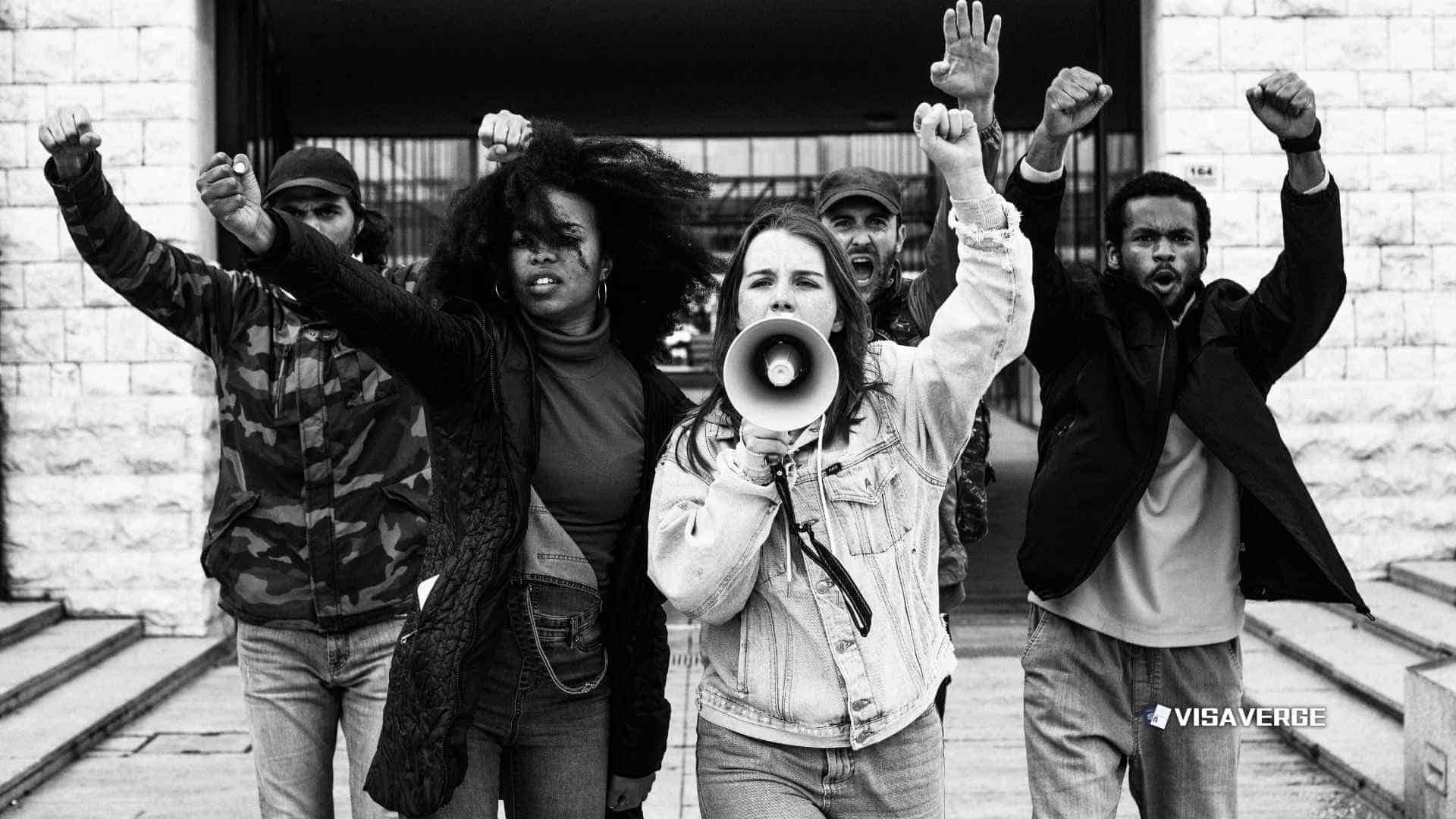
- Federal officers and protesters clashed in Los Angeles, leaving three agents injured during immigration raids demonstrations.
- Approximately 4,500 students from two dozen schools joined massive walkouts across the city.
- Authorities warned that anyone assaulting law enforcement will face immediate arrest and federal prosecution.
Federal officers clashed with protesters near the Metropolitan Detention Center in downtown L.A. on February 13, 2026, and a federal agent suffered injuries as student walkouts swelled against ongoing immigration raids.
The confrontation unfolded on Alameda Street between Temple and Aliso streets, where federal officials said demonstrators targeted law enforcement during the protest tied to immigration raids.
Free toolUSCIS Receipt Number Decoder
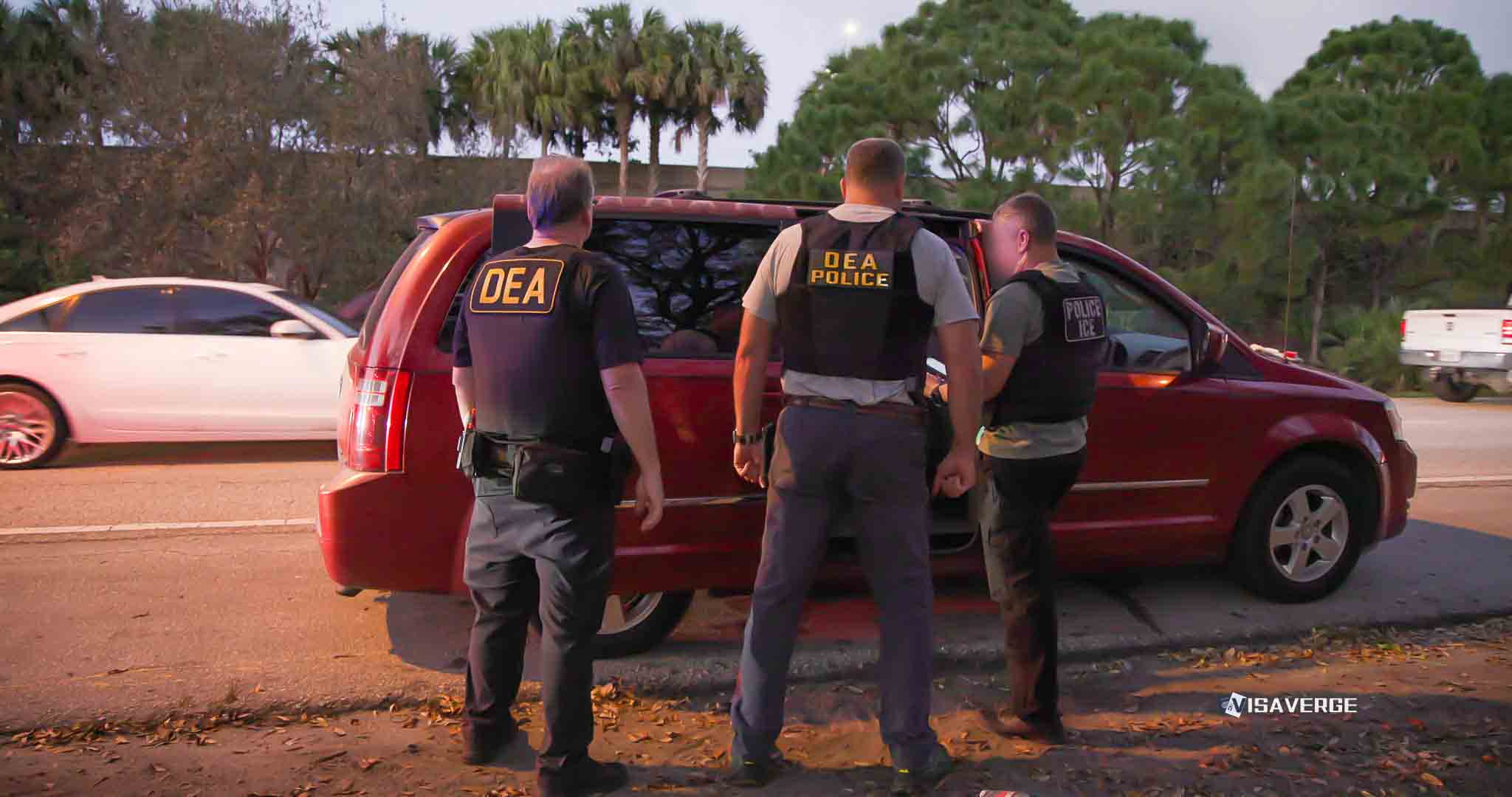
The Department of Homeland Security said three federal agents were injured in the clashes, including one Immigration and Customs Enforcement officer who was struck in the head with a rock and hospitalized with a concussion.
Two Federal Protective Services officers also sustained injuries, DHS said, with one hospitalized with a concussion and the other suffering a cut above his eye.
| India | China | ROW | |
|---|---|---|---|
| EB-1 | Feb 01, 2023 ▲109d | Jul 01, 2023 | Current |
| EB-2 | Nov 01, 2013 | Oct 01, 2021 ▲30d | Jan 01, 2025 |
| EB-3 | Jan 01, 2014 | Jan 08, 2022 ▲7d | May 15, 2024 ▼109d |
| F-1 | Jan 22, 2020 | Jan 22, 2020 | Jan 22, 2020 |
| F-2A | Sep 22, 2026 ▲31d | Sep 22, 2026 ▲31d | Sep 22, 2026 ▲31d |
DHS spokesperson said in a statement on February 13, 2026: “Assaulting federal law enforcement is a felony and a federal crime. Secretary Noem has been clear: Anyone who assaults or obstructs law enforcement will be prosecuted to the fullest extent of the law.”
Assistant Secretary for Public Affairs Tricia McLaughlin said “a mob of rioters threw rocks, bottles, and fireworks at law enforcement officers.” She said federal agents are trained to use the “minimum amount of force necessary to resolve the situation in a manner that prioritizes the safety of the public and our officers.”
The clash came as roughly 200 to 300 protesters gathered outside the ICE building, while a separate and larger wave of student walkouts drew an estimated 4,500 students from roughly two dozen schools across the Los Angeles Unified School District, officials said.
The downtown crowd and the student actions combined to pressure traffic and policing posture around federal buildings, as authorities weighed crowd control and public safety concerns amid the immigration raids protests.
Officials drew a line between the daytime demonstrations and the violence described during the Alameda Street confrontation, casting the latter as an attack on federal law enforcement rather than routine protest activity.
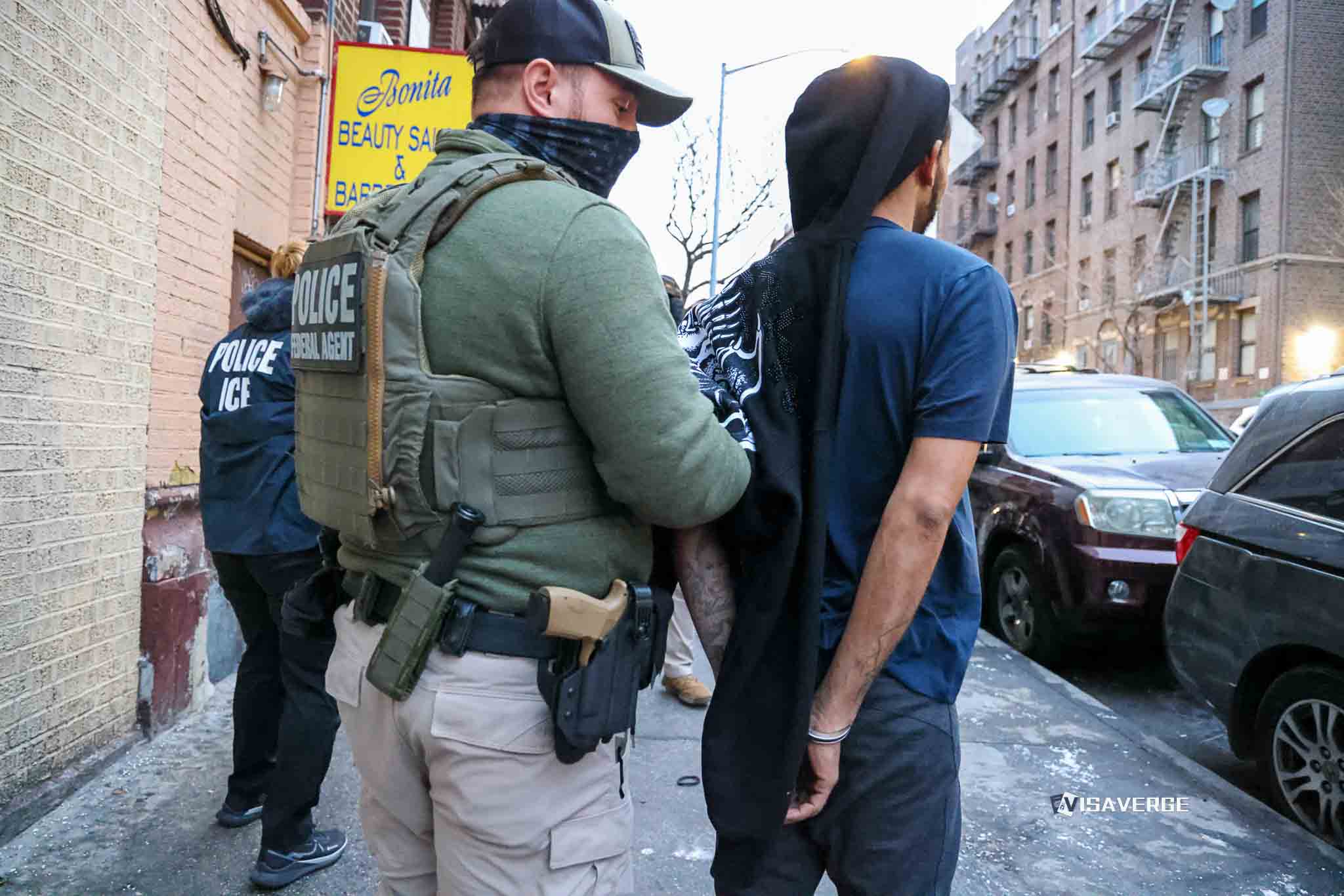
Federal authorities made no arrests immediately during the Friday clash, DHS said, but officials also signaled a shift toward faster enforcement during future incidents.
Lead federal prosecutor Bill Essayli said in a statement posted to social media and reported by local outlets that he dispatched additional federal officers to downtown federal buildings and instructed them to act immediately against crimes in progress.
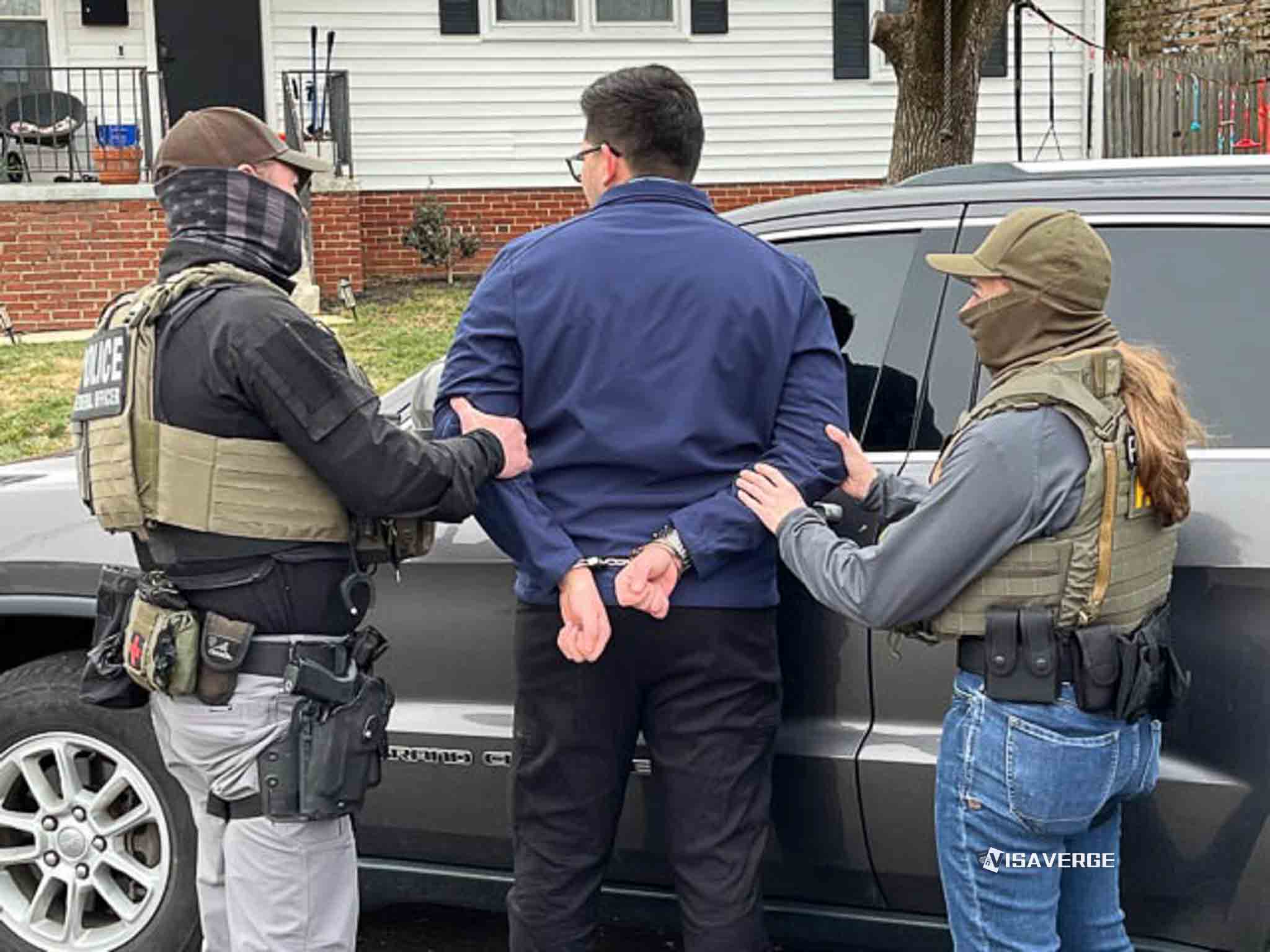
“I have directed them to make arrests on the spot for anyone committing a crime, regardless of whether they are an adult or a teenager. If arrested, you will spend the weekend in a federal detention facility,” Essayli said.
DHS framed the posture as part of protecting federal buildings and personnel, with Federal Protective Services typically responsible for security at federal facilities and Immigration and Customs Enforcement often associated with immigration enforcement operations that have driven protests.
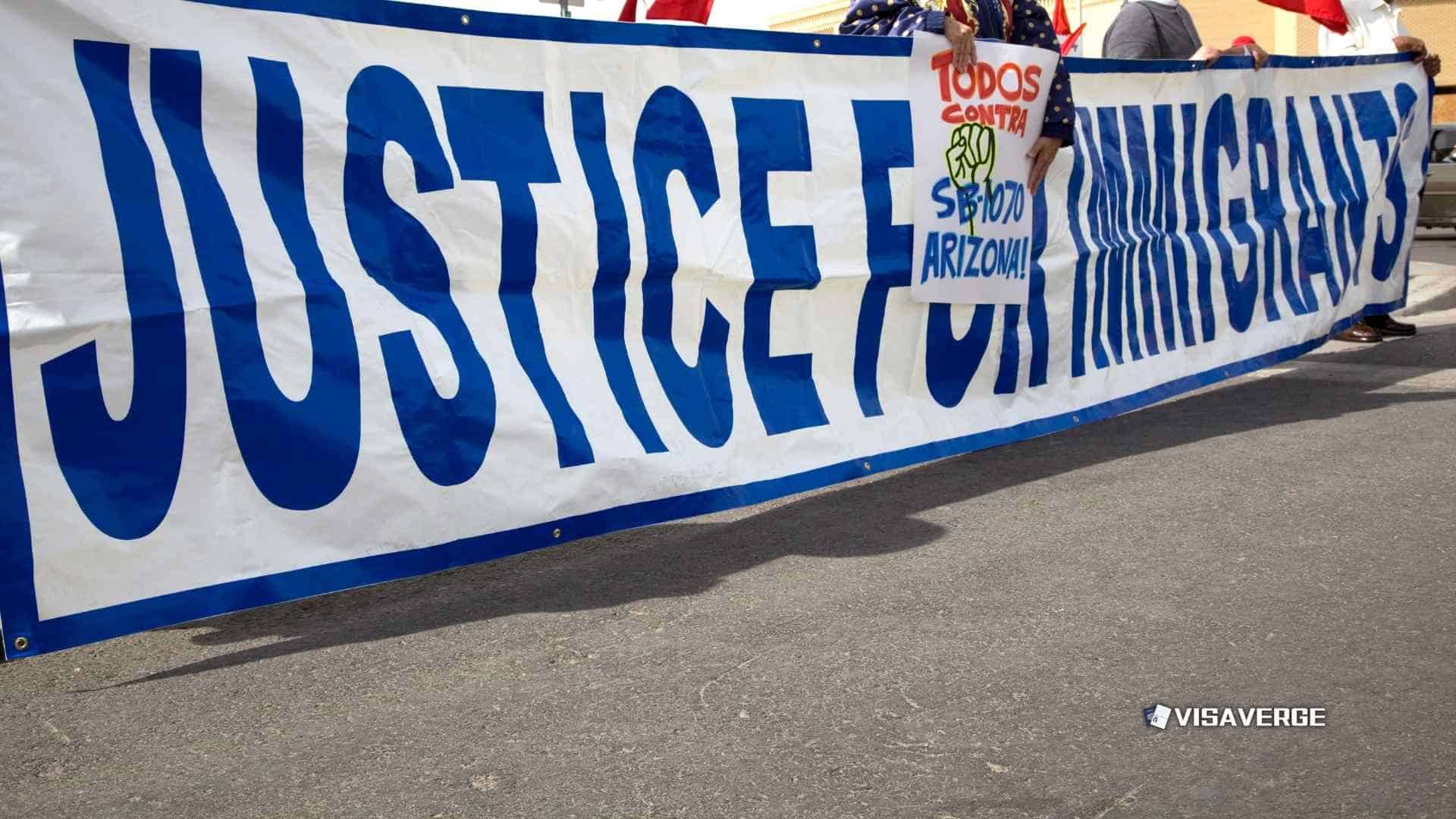
The events in downtown L.A. fit into a broader wave of “National Shutdown” protests against a surge in federal immigration raids, according to DHS and officials describing the demonstrations’ themes and timing.
Tensions have also climbed after recent fatal shootings involving federal agents in other cities such as Minneapolis, officials said, and after highly visible enforcement actions in Los Angeles neighborhoods including the Fashion District and South L.A.
Political friction intensified alongside the deployment and visibility of federal agents in urban centers, with city leaders pressing federal officials over tactics and accountability as immigration raids continue.
Mayors from several major cities, including Los Angeles Mayor Karen Bass, issued a joint statement on February 13 demanding DHS reform and condemning “unchecked and reckless operations” that they claim shatter community trust.
As student participation grew, school districts warned families that walkouts still trigger school rules even when administrators acknowledge civic engagement.
Officials said absences tied to the walkouts are recorded as “unexcused,” and students face potential disciplinary action for leaving campus without permission.
The student actions added another layer of pressure for school administrators and law enforcement, as the walkouts pulled thousands of students into streets and public areas at the same time federal buildings faced protests over immigration raids.
Advocacy groups described a “climate of distress” in immigrant communities, saying families have grown afraid to leave their homes for daily necessities because of the speed and frequency of raids.
Activists said raids can occur in “as fast as 30 seconds,” a claim they used to describe how quickly enforcement actions can unfold and how difficult it can be for families to respond.
DHS leadership, meanwhile, highlighted what it called the “unprecedented scale and intensity” of threats against agents, saying the current environment puts officers and their families at “tremendous personal risk of violence.”
Officials have used that framing to justify security measures around federal facilities and a harder line on enforcement during demonstrations where officers face injuries or confrontations.
Friday’s injuries included a concussion for an ICE officer and a concussion for one FPS officer, DHS said, while the second FPS officer suffered a cut above his eye.
McLaughlin’s statement describing thrown rocks, bottles, and fireworks positioned the incident as an escalation beyond chanting and signs, and her comments stressed minimum-force training and an emphasis on protecting the public and officers.
DHS officials, while describing the clash and injuries, also pointed to prosecution as a deterrent and to on-the-spot arrests as a step intended to prevent repeat confrontations.
Essayli’s warning that arrestees would “spend the weekend in a federal detention facility” sharpened the stakes for protesters who authorities say commit crimes during demonstrations, including teenagers.
The situation left federal officers facing sustained protests near downtown federal buildings as immigration raids continue, while school districts weighed discipline questions and immigrant communities reported fear and disruption in daily life.
For updates, DHS directs the public to its newsroom at dhs.gov/news, while ICE posts enforcement-related statements through its ICE press releases. USCIS, which does not lead enforcement operations, publishes separate agency updates through the USCIS newsroom, and any federal criminal cases tied to arrests could appear through the U.S. Attorney’s Office, Central District of California.