- The FAA will cap daily operations at Chicago O’Hare at 2,800 to reduce summer 2026 congestion.
- Major carriers must cut approximately 280 flights from their peak daily schedules to meet new limits.
- United and American Airlines face significant schedule adjustments to maintain hub connectivity and reliability.
(CHICAGO, ILLINOIS) — The FAA is moving to cap daily takeoffs and landings at Chicago O’Hare International Airport for the summer 2026 season, forcing airlines including United Airlines and American Airlines to cut schedules that climbed above planned limits during peak periods.
The agency set the cap at about 2,800 daily operations for the summer 2026 scheduling season, which runs from March 29 to October 25. Airlines had scheduled projected peaks over 3,080 operations, the FAA move aims to reduce delays and manage congestion tied to strain on runways, terminals, and air traffic control.
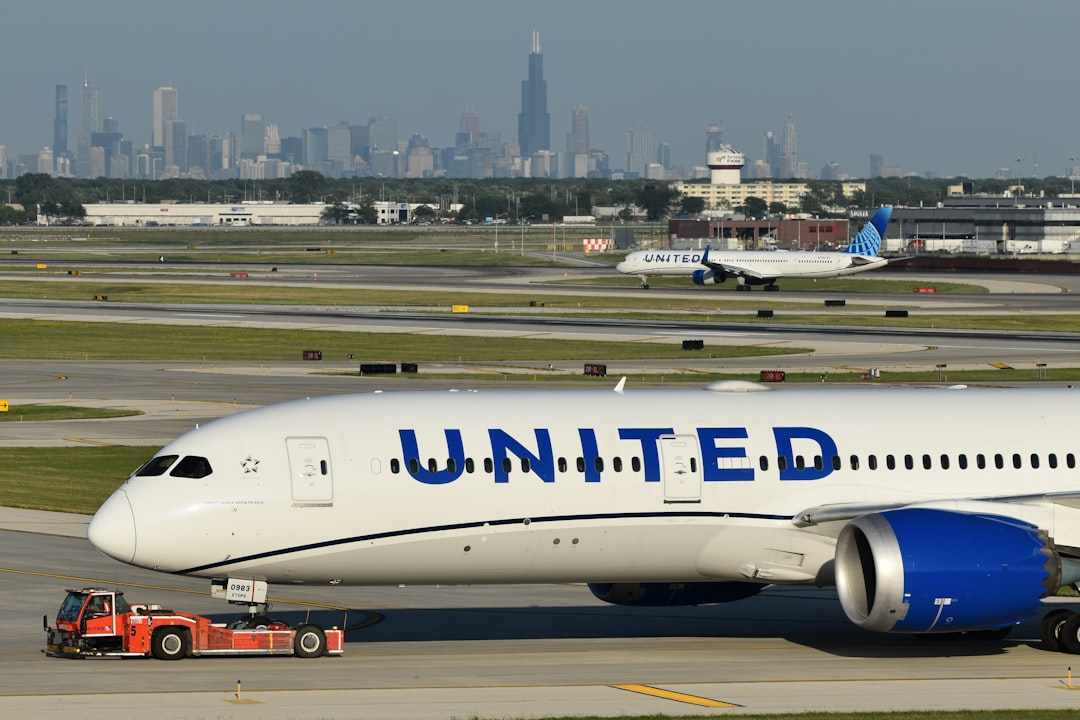
Chicago O’Hare is among the country’s busiest hubs, and the limit could ripple through domestic and international networks as airlines adjust banks of arrivals and departures. Passengers often feel disruptions at a hub far beyond a single airport, because missed connections and aircraft rotations can cascade across a day’s schedule.
Pressure built as carriers scheduled more flying than the airport could reliably absorb at peak times. Those peaks reached 3,080+ daily movements, up 15% from last summer’s 2,680, before the FAA proposed the ceiling of about 2,800.
The FAA is acting under delay reduction authority in 49 U.S.C. § 41722. The scheduling reduction process requires airlines to trim planned activity to fit within the cap, rather than relying on day-of-operation measures after delays pile up.
Airline schedule changes tend to show up first in the busiest parts of the day. Peak banks are usually most exposed, because carriers stack flights to maximize connectivity, and those concentrated surges can collide with runway and gate limits.
Cuts can come in several forms, depending on each carrier’s network and fleet. Airlines can reduce frequency on some routes, swap to larger aircraft to keep seats while reducing movements, or shift departure and arrival times to smooth peaks.
Even small timing moves can change a day’s reliability at a hub. When too many flights push into the same narrow window, taxi congestion, gate holds, and air traffic control flow restrictions can quickly erase published schedules.
The estimates attached to the FAA action point to about 280 daily flights being cut across U.S. carriers to bring peak schedules into line with the cap. International airlines are not directly affected by the domestic scheduling reductions, but they can feel indirect effects as feeder flights change and connection patterns shift.
United’s hub scale at O’Hare makes it central to how the cap plays out in practice. Pre-cap peak flights exceeded 700, and the post-cap estimate still sits at about 700, suggesting the carrier can adjust at the margins while protecting core connecting banks.
One reason is the mix of flying that supports a hub. United can trim low-yield CRJ feeder flights, which can reduce movements without cutting the longest-haul or highest-demand services that anchor hub connectivity.
American faces a different squeeze because its schedule was growing to compete. The post-cap estimate puts the carrier at about 475 daily flights, and the plan implies about a 9% reduction, which can translate into fewer frequencies and less flexibility on contested routes.
Competitive positioning at O’Hare can hinge on frequency, not just destinations. When carriers cut frequencies, they can lose some of the time-of-day options that attract business travelers, and they can also reduce the number of connection paths a hub offers.
Changes to domestic banks can also reshape long-haul connectivity. International airlines may keep their own schedules, but they can see higher misconnect risk if fewer domestic arrivals feed a given departure bank, or if timing shifts thin out connection windows.
The FAA order remains pending after the scheduling reduction process described in the draft. How long the limits last is not fixed in the material accompanying the action, and the duration could extend depending on congestion relief and infrastructure or operational developments.
Airlines and travelers often see ongoing refinements while caps are in place. Carriers can keep adjusting schedules, smoothing banks, and reworking padding as they try to protect on-time performance while staying inside movement limits.
A cap can also reduce the volatility that comes with over-scheduling. When published schedules exceed what an airport can handle at peaks, airlines often respond by building more padding, but day-to-day conditions can still trigger steep delay spikes.
O’Hare reached this point after rapid expansion by both major hub carriers, which added stress to runways, terminals, and air traffic control. The schedule surge created what the FAA framed as overload conditions during the summer 2026 season, prompting the congestion-management measure.
American’s expansion path followed a post-COVID gate position shift at the airport, including gates formerly associated with Spirit that the carrier bought, according to the draft. That improved gate access supported growth aimed at competing more directly at O’Hare.
United countered with an aggressive response to defend share and protect yields. The draft described the airline’s use of 50-seat CRJs and additional frequency to block growth, a tactic that can raise the number of daily operations faster than passenger totals rise.
Those network choices push activity into constrained peaks. Even if gates exist, runway throughput and air traffic control staffing and procedures can limit how many takeoffs and landings can occur without persistent delay.
Analysts cited in the material framed the outcome as the end of a “capacity war.” The idea is that a cap can reset incentives away from maximum flights and toward schedules that operate more reliably.
That framing suggests different tradeoffs for each carrier. United can shed unprofitable flights and redeploy elsewhere, while American can lose unplanned routes but stabilize gates, with travelers gaining reliability, according to the analysis referenced alongside the FAA action.
The operational changes prompted by the FAA action are separate from United’s corporate workforce plans described in the same material. The draft stated no direct link between the FAA cap and corporate job cuts.
United plans a 4% headquarters workforce reduction in 2026 after 4% in 2025, totaling 8%, through AI efficiencies, according to comments by Mike Leskinen, the airline’s CFO, during Q3 2025 earnings. The plan targets management, maintenance planning, revenue, and customer service, and it does not target flight operations.
Mention of older United layoffs in 2008 also sits apart from the FAA’s summer 2026 scheduling action. The material referenced 950 pilot layoffs at United in 2008 as unrelated historical context, and it did not tie those cuts to the current cap at Chicago O’Hare International Airport.
For passengers, the immediate change is not a single canceled trip but a reshaped timetable. Fewer daily departures in the busiest windows can mean less choice, but it can also mean fewer days when storms, congestion, and late inbound aircraft turn an airport into a choke point.
Airlines typically decide where to absorb reductions based on revenue, connectivity, and operational flexibility. Regional feeder flying, which can add many movements for fewer passengers per flight, often becomes the first place carriers look when movement limits tighten.
At a hub like O’Hare, those feeder flights still matter because they fill long-haul seats and support network breadth. Any reduction can alter which small and mid-sized markets keep the most frequent links to the hub during the capped period from March 29 to October 25.
American’s projected 9% reduction creates different constraints because growth was part of its competitive posture. With the post-cap estimate at about 475 daily flights, the carrier can face harder choices about which frequencies to keep on core routes where it wants to remain visible.
United’s ability to hold at about 700 daily flights after a pre-cap peak above 700 indicates a strategy built around protecting the structure of the hub. Carriers can preserve major banks by trimming around the edges, but the cap still limits how much additional flying can be layered into peaks.
International carriers can watch these decisions closely even without being directly targeted by the reductions. When domestic feeders shift, connection reliability can change, especially for travelers who rely on tightly timed links between U.S. spokes and international departures.
O’Hare’s place in the national air network means delay-reduction measures there can affect travelers far from Chicago. Aircraft, crews, and gates are shared resources, so a disrupted morning in one hub can echo into afternoon arrivals at other airports.
The FAA move also highlights how a schedule can outgrow an airport’s day-to-day operating reality. When carriers expand rapidly, even a relatively small mismatch between planned peaks and workable capacity can produce routine delays, pushing regulators toward formal constraints.
By bringing scheduled peaks down from 3,080+ daily movements toward about 2,800, the cap aims to reduce overload that the FAA tied to runway, terminal, and air traffic control strain. For many travelers, the test will be whether fewer scheduled peaks translate into fewer long taxi-outs, fewer missed connections, and more predictable days at Chicago O’Hare International Airport.