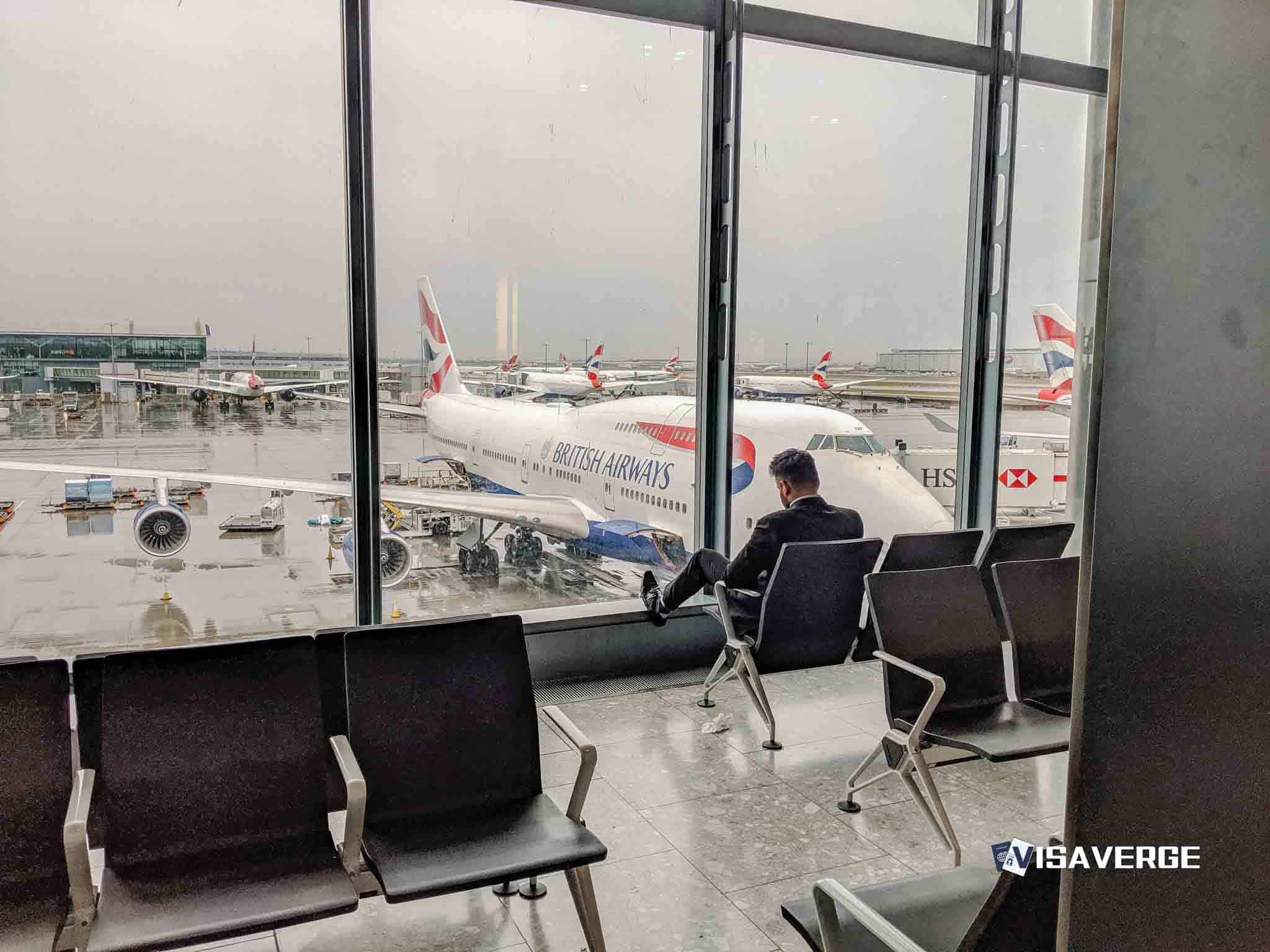
(UNITED KINGDOM) — UK Prime Minister Keir Starmer said the public will see “evidence” of asylum hotels closing in the “coming months” as his government tries to speed up a pledge to end the use of temporary hotel accommodation for migrants.
Starmer’s public pledge and urgency inside government
Starmer made the remarks in an interview with the BBC’s Sunday With Laura Kuenssberg on January 4, 2026. He framed the push as a matter of pace and clear public visibility, saying he wanted departments to move faster than previously planned.
“I want us to close hotels. I think over coming months you’ll see evidence of that. I’ve said to the system, to the relevant departments, I want to see that brought forward as soon as possible. Bring it forward.”
He repeated the instruction to officials that the move away from hotels should be brought forward “as soon as possible.”
Current UK situation: scale, cost and alternatives
- As of early 2026, the number of hotels used for asylum seekers in the UK has fallen from a peak of 400 to approximately 197.
- The Home Office reported 41,472 migrant arrivals via the English Channel in 2025.
- Ministers have highlighted the £1.7 billion annual cost of hotel use.
Government efforts to reduce reliance on hotels have included shifting some people into centralized sites, including military locations such as a site in East Sussex, as part of cost- and accommodation-management measures.
Quick facts (table)
| Item | Figure |
|---|---|
| Peak hotels in use | 400 |
| Hotels in use (early 2026) | ~197 |
| Channel arrivals (2025) | 41,472 |
| Annual hotel cost | £1.7 billion |
Political drivers and visible symbolism
The hotel programme has been a highly visible symbol of pressure on the asylum system. Ministers face political pressure to show tangible results on accommodation and costs, and Starmer’s comments signalled a desire for faster progress than the timeline previously set to the end of Parliament in 2029.
The Prime Minister emphasized urgency and public evidence of change while officials handle the practicalities of moving people out of hotels and into alternative accommodation.
International context: United States policy changes
The UK developments occurred alongside major shifts in U.S. asylum and immigration processing at the start of 2026.
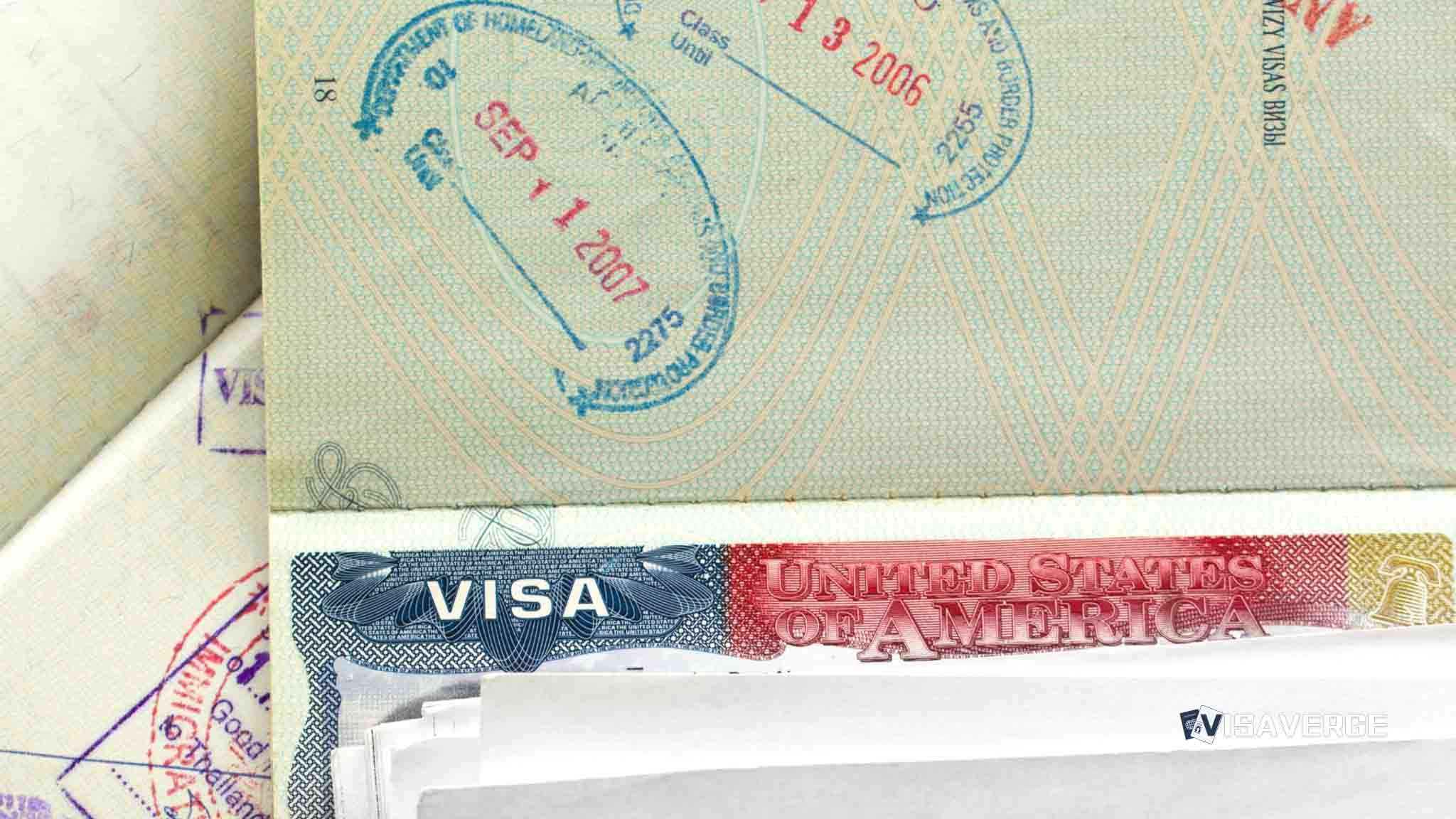
- USCIS memorandum PM-602-0194 (January 1, 2026):
- Placed an immediate hold on all pending benefit applications for nationals from an additional 20 “high-risk” countries.
- The agency said the “high-risk” list now includes 39 countries plus the Palestinian Authority.
- Memorandum quote: “USCIS remains dedicated to ensuring aliens from high-risk countries of concern. do not pose risks to national security or public safety. The flow of aliens from countries with high overstay rates, significant fraud, or both must stop.”
- Remains in effect and mandates an indefinite pause in all processing of Form I-589 asylum applications regardless of the applicant’s nationality.
U.S. enforcement and shelter closures
- ICE announced a “120% manpower increase” on January 2, 2026, after hiring 12,000 new officers and agents.
- DHS said ICE began 2026 with a surge in arrests of “criminal illegal aliens,” targeting those with convictions for violent crimes and fraud.
- Major U.S. cities started closing migrant shelters, including hotels, citing a “substantial decrease in need” following an enforcement crackdown.
- Examples include New York City’s Roosevelt Hotel (formerly its largest migrant intake center) and other hotels like Hotel Merit and Quality Inn JFK, which have been earmarked for closure or already closed.
- The U.S. administration attributed closures to a “crackdown on asylum claims” and a shift toward immediate removal rather than temporary housing.
- Border encounters in the U.S. also fell dramatically in parts of 2025, reported as low as ~220 per day during some periods.
Comparison: UK approach vs U.S. approach
- United States:
- Emphasis on enforcement, processing pauses, expanded high-risk designations, and immediate removal strategies.
- Large-scale hiring for ICE and the resultant closure of municipal shelter sites.
- United Kingdom:
- Focus on reducing reliance on hotels by moving people to centralized sites, including military locations, while trying to cut accommodation costs.
- Political emphasis on delivering visible evidence of hotels closing in the short term.
Implications and next steps
- Government departments in the UK have been instructed to accelerate moves away from hotel accommodation.
- Public visibility of closures is a stated priority for the Prime Minister in the coming months.
- Practical challenges remain around safely relocating individuals into alternative sites and managing costs and arrivals simultaneously.
Starmer’s repeated instruction — that officials should bring forward action “as soon as possible” — underlines the administration’s intent to make progress quickly and to show the public clear evidence of that progress.
Prime Minister Keir Starmer is pushing for an accelerated timeline to end the use of hotels for asylum seekers in the UK, citing high costs and political pressure. Meanwhile, the U.S. has introduced strict new policies, including processing pauses for high-risk nations and a massive expansion of ICE personnel, leading to the closure of major municipal shelters and a focus on immediate removals over temporary housing.