(WASHINGTON, D.C.) — EVA Air is adding a new way to earn Star Alliance miles and chase elite status in the capital region, with planned nonstop service between Taipei and Washington Dulles starting July 2026.
If you collect united mileageplus miles, Aeroplan points, or EVA Infinity MileageLands credit, this route could become one of the easiest long-haul “status runs that’s actually useful” from the Mid-Atlantic.
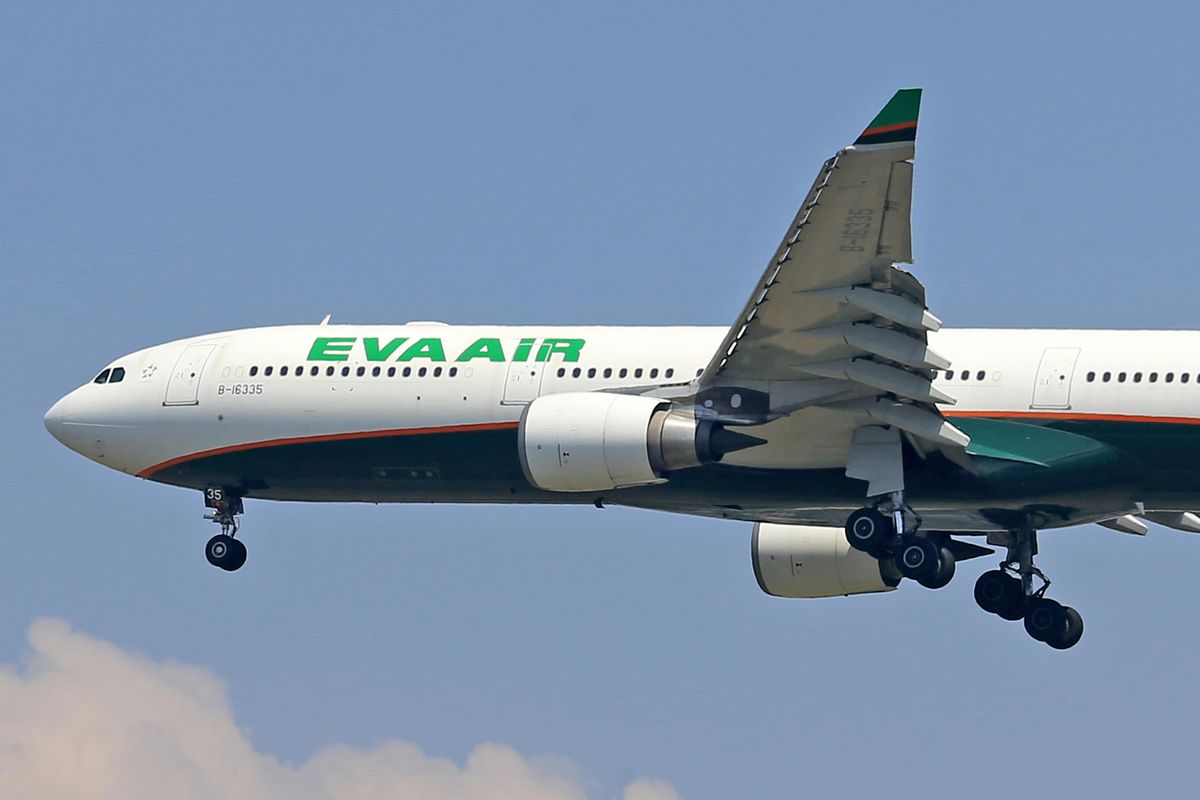
EVA Air says it will fly between taipei taoyuan international airport and Washington Dulles on a regular weekly schedule, giving the Washington area its first-ever nonstop link to Taipei.
For travelers, the headline is simple: fewer connections, better award options, and another long-haul premium cabin to compare against United’s own Dulles long-haul network.
1) EVA Air’s Washington Dulles service: what’s new, and who should care
EVA Air plans to launch four weekly nonstop flights between Taipei (TPE) and Washington Dulles (IAD) beginning in July 2026.
It’s EVA’s first service to the U.S. capital region, and a milestone expansion for its North America map.
- A D.C.-area flyer who currently connects via Tokyo, Seoul, or the West Coast to reach Taiwan and much of Asia
- Part of the region’s Asian diaspora, especially travelers visiting family in Taiwan and onward in Asia
- A government or contractor traveler who values a single-ticket itinerary and fewer missed-connection risks
- A points-and-miles traveler who likes more nonstop capacity, since that often helps both cash fares and award seats
On the loyalty front, a new long-haul route from a major Star Alliance hub airport also creates more “clean” itineraries. Those are easier to credit to the program you prefer.
2) Route details and aircraft: the onboard experience matters for miles, too
eva will operate the route with a boeing 787-9, and that’s good news for comfort on a flight this long.
The 787 typically brings higher cabin humidity and lower pressurization than older widebodies. You’ll usually arrive less wrecked.
EVA says this will be a three-cabin jet:
- Business class: lie-flat seats, built for overnight rest and productivity.
- Premium economy: a real separate cabin, not extra-legroom economy.
- Economy: the volume play, and the place where sales can move the market.
Even if you never pay for business class, the cabin mix matters. More premium seats can mean more paid upgrade offers closer to departure, more award seats released in waves, and better odds of using miles to move from economy into premium economy.
Seat counts and total capacity on the aircraft are straightforward, and they matter most when you’re hunting award space. Fewer weekly flights means fewer “bites at the apple,” especially early on.
💡 Pro Tip: If you’re planning to redeem miles, start checking space as soon as schedules open. Early inventory is often the best inventory on new routes.
3) Distance, duration, and the real-world planning headaches
This route is among EVA’s longest. The posted distance falls in a narrow range, and it’s long enough that your strategy matters more than your seat choice.
In practice, expect block times to vary more than you’d guess from the map. Russian airspace avoidance and winds can add meaningful minutes or more. That affects everything you care about on a long-haul day, including when you should sleep on board and whether you can make a tight connection at Dulles.
At IAD, give yourself extra buffer if you’re connecting onward on United. Summer storms in the Mid-Atlantic can turn “plenty of time” into “sprinting to C gates.” On the Taipei end, build time if you’re connecting to smaller Asian cities. EVA’s Taipei banks can be excellent, but only if you arrive on time.
The big picture is what matters: it’s a long flight with limited weekly departures at launch, so plan conservatively. The interactive tool for distance, duration, and unique considerations will provide detailed route stats and timing visuals.
4) Why IAD, and what that means for your loyalty strategy
EVA Air President Sun Chia-ming announced the route at a press event on Jan. 12, 2026. The message was clear: EVA sees unmet demand in Washington and the broader southeastern U.S. region for nonstop Taiwan service.
Two factors matter most for travelers. First is local demand. The Washington region has a large population with ties across Asia, which supports year-round traffic beyond pure tourism.
Second is connectivity. Washington Dulles is a major United hub, and United is EVA’s Star Alliance partner. That makes this route much more useful than a “random” long-haul. It also changes how you should think about earning.
A large share of EVA’s North America flyers connect beyond Taipei into Asia. That means schedules often aim for connection banks at TPE. If timings line up, you can turn “Dulles to Taipei” into “Dulles to Southeast Asia” with one stop and one alliance.
⚠️ Heads Up: If you’re booking this as two separate tickets, don’t cut it close at TPE. Misconnect protection is far better on a single itinerary.
5) Market context: more Taiwan–U.S. flying means more options for your miles
EVA is not expanding in a vacuum. Taiwan–U.S. air travel has been growing quickly since 2023, and airlines are competing for high-yield premium traffic and VFR demand.
EVA already serves multiple U.S. gateways and two in Canada, and IAD neatly fills a geographic gap. If you live in the Northeast or Mid-Atlantic, this can be a major time saver versus backtracking to JFK or connecting over the West Coast.
Competition matters for your wallet and your award plans. More supply typically pressures fares in economy and premium economy, and it can create more award seats on partner programs when cabins need filling.
Key competitors include STARLUX (building a boutique premium pitch), China Airlines (pushing more long-haul capacity including East Coast flying), and United (the dominant carrier at Dulles with hub feed that can support EVA’s loads).
The market context and broader North American expansion data will be shown in an interactive tool added separately to provide visual market-share figures, growth rates, and route counts.
Loyalty and status: how to earn and redeem smartly on TPE–IAD
Earning: pick your credit based on your goal
You’ll generally be able to credit EVA-operated flights to multiple programs:
- EVA Infinity MileageLands (best if you want EVA status and EVA upgrade priority)
- United MileagePlus (best if you chase PQP and want U.S.-based account simplicity)
- Other Star Alliance programs like Air Canada Aeroplan or ANA Mileage Club (often better for redemptions)
Your earning rate depends heavily on the fare class you buy. That’s the part many travelers miss. Deep-discount economy can earn poorly in some partner programs.
Here’s the practical comparison most flyers should make before buying:
| Goal | Where to credit | Why it can make sense |
|---|---|---|
| United status (PQP) and U.S. perks | United MileagePlus | Keeps your earnings and elite tracking in one place |
| EVA lounge and recognition on EVA/Star Alliance | EVA Infinity MileageLands | Direct relationship with EVA, plus Star Alliance tier mapping |
| Best-value awards on Star Alliance | Aeroplan or ANA (case by case) | Often stronger partner charts and flexible routing rules |
Elite impact by EVA tier (Infinity MileageLands)
- Green (base member): You’ll earn redeemable miles, but you’ll be the last in line for irregular-ops help. Consider premium economy for comfort on this stage length.
- Silver: You’ll start seeing more recognition, but benefits are still limited compared with top tiers. You’ll get more value by choosing better fare classes.
- Gold: This is where it gets real, because it maps to Star Alliance Gold. That often means lounge access on international itineraries, priority services, and smoother connections.
- Diamond: Best for frequent EVA flyers. On a new route, top-tier members sometimes see better seat options and service recovery when things go sideways.
Redemptions: where the sweet spots may show up
New long-haul routes often have choppy award space at first. Airlines want to sell seats while demand is highest.
Your best approach is to watch multiple programs. EVA awards can be bookable through partner programs, but the “best” program depends on whether the program passes on fuel surcharges, how it prices long-haul business class, and how easy it is to change or cancel an award.
If you can be flexible by a day or two, four weekly flights can still be workable. You just need to search smarter.
6) Launch status and scheduling: what’s confirmed, and what you should do now
The start window is July 2026, but EVA is still finalizing exact schedules and flight numbers. EVA’s booking channels are already showing TPE–IAD itineraries, which is a strong sign this is moving from “announcement” to “real inventory.”
Still, treat early schedules as draft-like. Airlines adjust departure times, swap aircraft, and retime connections as the launch approaches.
- Re-check your schedule monthly. Then check weekly inside 30 days.
- Don’t build a tight same-day connection at IAD until timings settle.
- Confirm fare class earning before you click purchase if you’re aiming for miles and status.
EVA’s last major U.S. route launch was Dallas–Fort Worth in October 2025, and new routes often see a similar cadence of schedule tweaks.
Key Date: If you want first-month availability and better seat selection, start monitoring and booking as schedules firm up ahead of July 2026, then set alerts for any schedule changes that could break your connections.
EVA Air’s new Taipei-Washington Dulles route, launching July 2026, marks the first nonstop link between the U.S. capital and Taiwan. Using Boeing 787-9 aircraft with four weekly frequencies, the service targets government, diaspora, and business travelers. It offers streamlined loyalty integration for Star Alliance members, particularly United flyers, while increasing competition in the growing transpacific market against carriers like China Airlines and STARLUX.