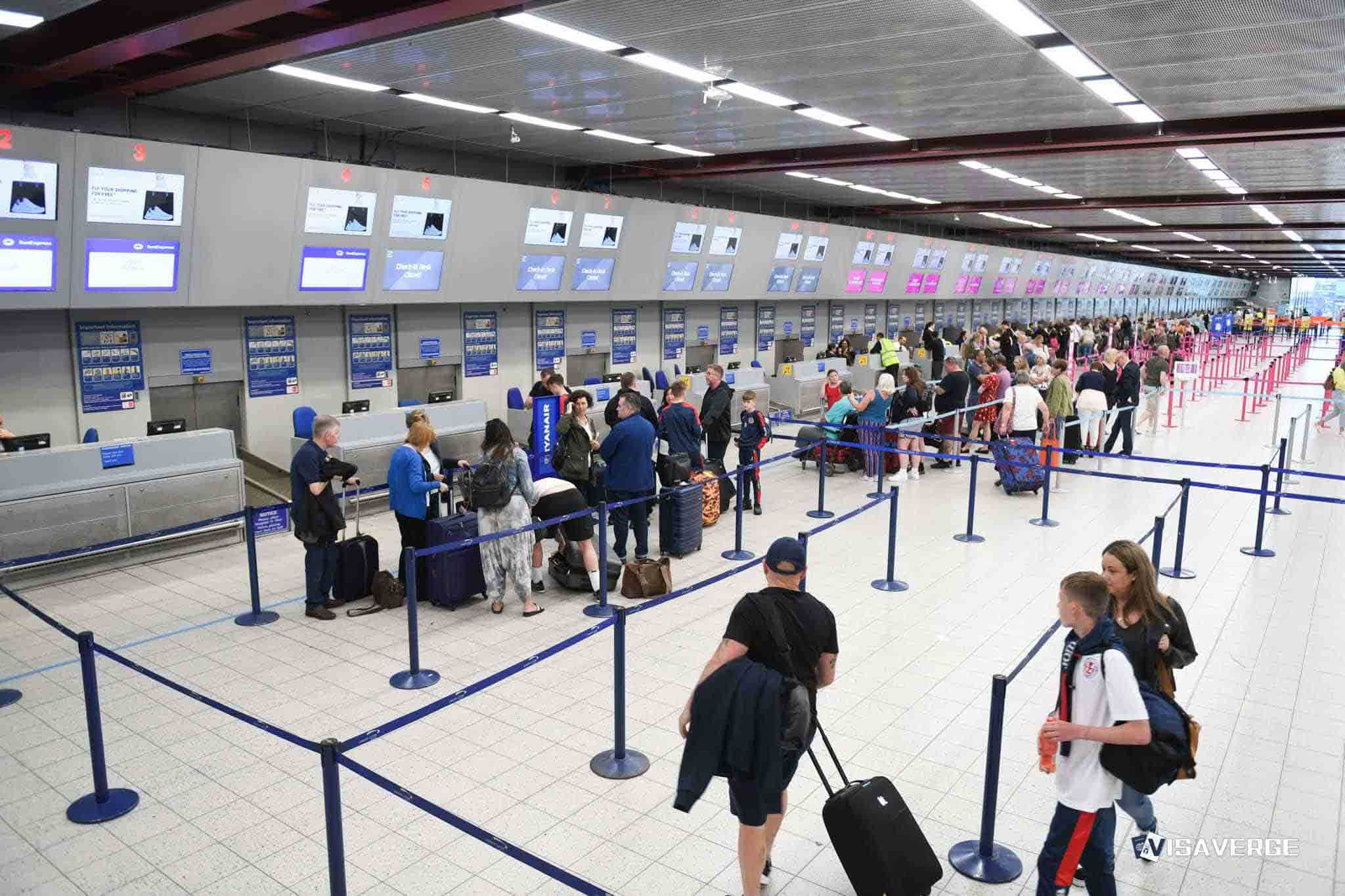
(EPPING, UK) The former asylum seeker hotel on the edge of Epping, which became a symbol of Britain’s heated arguments over refugee accommodation, is expected to reopen to paying guests as a four-star hotel in 2026, after a charity-backed plan to end the use of hotels for asylum seekers by March 2026. Under a proposal from the Refugee Council, the Epping site would be among dozens of properties returned to commercial use once temporary residence is granted to many people currently stuck in the asylum system, following full security checks.
Background: Epping’s recent history

The Epping hotel, run in recent years as an emergency hostel for new arrivals, drew protests, counter-protests and tense council meetings as local residents, activists and far-right groups clashed over who should be housed there and for how long.
For months, the quiet market town found itself at the centre of a national argument about whether an asylum seeker hotel could ever sit peacefully alongside a suburban high street and nearby countryside walks.
The Refugee Council proposal
The Refugee Council says there is a way to draw a line under that period by giving certain asylum seekers a stable, time-limited status so that hotel contracts can finally end. Its proposal focuses on people from Afghanistan, Eritrea, Iran, Sudan and Syria who are already in the asylum system on 30 June 2025.
After what the charity describes as “full security checks”, these men, women and children would receive temporary residence, allowing them to move into longer-term housing and freeing up hotel rooms like those in Epping.
“Cut costs, restore order and protect both refugees and the communities they live in.”
— Enver Solomon, chief executive of the Refugee Council
Enver Solomon argues that ending hotel use on a clear timetable would benefit both local communities and people seeking safety. He warns that as long as large properties remain filled with people who cannot work and have little contact with the wider town, they risk turning into magnets for far-right demonstrations and scenes of confrontation.
How the scheme would work (broad outline)
The Refugee Council’s plan is not yet fully detailed, but the proposal’s broad steps are:
- Identify people from Afghanistan, Eritrea, Iran, Sudan and Syria who were already in the asylum system by 30 June 2025.
- Carry out full security checks on those applicants.
- Grant qualifying individuals temporary residence for a fixed period.
- Move people into longer-term housing, schooling and work opportunities.
- End hotel-based asylum accommodation by March 2026, allowing properties to return to commercial use.
Timeline summary
| Key date / milestone | What it means |
|---|---|
| 30 June 2025 | Cut-off for people already in the asylum system to be eligible for the scheme |
| March 2026 | Proposed end date for use of hotels as asylum accommodation |
| 2026 (general) | Target year for Epping hotel to reopen as a four-star hotel |
Expected local and national impacts
- Local business owners hope a return to a four-star hotel will bring jobs and tourists/business visitors back to the town centre.
- Refugee groups say moving away from hotel use would give asylum seekers more stable lives compared with being kept in conference suites or roadside inns.
- The plan is pitched as a way to reduce spiralling costs of long-term contracts with private chains and to give communities certainty about when sites will revert to their original use.
Outstanding questions and criticisms
Officials have not yet published detailed rules for:
- Who exactly would qualify for temporary residence under the scheme, or
- How cases from the five countries would be prioritised.
However, the broad outline remains that people in the asylum system by mid-2025 who pass security checks would get a more secure status for a fixed period. The proposal aims to close the Epping asylum hotel and similar sites without leaving people destitute or forcing them into overcrowded temporary housing elsewhere.
Government position and wider debate
The Home Office has long faced criticism for placing people seeking asylum in large hotels, sometimes far from legal support, community groups or specialist medical services.
- Ministers argue hotel placements offer an immediate roof when arrivals rise.
- Campaigners counter that hotels trap people in isolation and fuel neighbour anger where residents feel excluded from decisions.
More information about official support for people in the asylum system is available on the UK government website, including guidance on accommodation and allowances on the gov.uk asylum support page.
Local reactions in Epping
Memories of the protests outside the hotel still divide opinion:
- Some residents remember helping with clothing collections and English conversation classes for new arrivals.
- Others recall shouted slogans, loud music and rows over police patrols and security fencing.
With a promised return to a four-star hotel, local leaders will need to decide how to talk honestly about that recent past while supporting people who may still be living in nearby temporary accommodation.
What refugees and campaigners say
For many asylum seekers who passed through the Epping site, national policy changes may feel remote but deeply relevant. A guarantee that hotel contracts will end by early 2026 will only bring relief if matched by clear paths into:
- Ordinary housing
- Schooling
- Work
Refugee organisations emphasize that a four-star hotel, however comfortable, cannot replace the sense of control that comes from having one’s own front door and the ability to build long-term ties with neighbours.
Lessons and what to watch next
Supporters say the Epping experience provides a clear lesson for future crises: it is quick to convert a four-star venue into an emergency asylum hotel, but much harder to unwind that decision without leaving people stranded.
They argue ministers could break the recurring cycle by:
- Setting out who will receive temporary residence,
- Specifying when hotels will close, and
- Explaining how buildings will return to regular use.
Critics, including some local councillors, will watch closely to see whether the government follows through and whether towns like Epping both recover their local hotel industry and help former residents move into safer, more settled lives. For Epping, change cannot come soon enough.
The Epping site, long used as emergency asylum accommodation, is planned to return to commercial use and reopen as a four‑star hotel in 2026. The Refugee Council proposes granting time‑limited temporary residence to eligible asylum applicants from five countries who were in the system by 30 June 2025 and pass full security checks. The change aims to reduce costs, end hotel placements by March 2026, and move people into housing, work and schooling, though detailed eligibility and safeguards remain unresolved.