(MANCHESTER, UNITED KINGDOM) An Emirates Airbus A380 was taken out of service at Manchester International Airport on Friday after a fuel truck struck one of its engines while the aircraft was parked at the gate, disrupting travel plans for hundreds of passengers and raising questions about ground safety at one of Britain’s main long‑haul gateways.
Incident summary
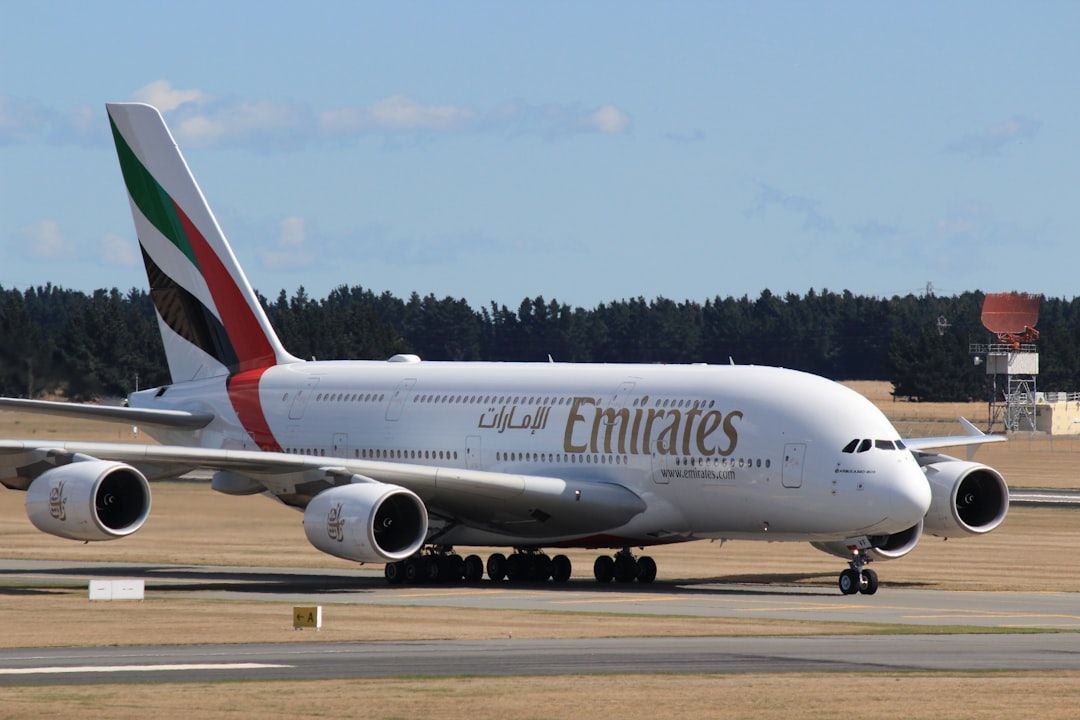
Airport officials confirmed that the aircraft involved was an Emirates Airbus A380‑842, registered A6‑EVP, which had just arrived from Dubai as flight EK17/9.
The collision occurred on Friday, November 28, 2025, at 11:24 UTC while the double‑deck jet stood at the gate.
The A380 entered service in 2020 and is powered by Rolls‑Royce Trent 972‑84 engines. It is one of the newest A380s in the Emirates fleet on the Manchester route, a key connection for travelers between the Gulf, northern England, and onward global destinations.
Aircraft at a glance
| Item | Detail |
|---|---|
| Aircraft type | Emirates Airbus A380‑842 |
| Registration | A6‑EVP |
| Flight | EK17/9 |
| Date & time | Friday, November 28, 2025 — 11:24 UTC |
| Engine type | Rolls‑Royce Trent 972‑84 |
| Entered service | 2020 |
Damage and technical concerns
According to aviation safety reports, the fuel truck struck the engine area with enough force to leave a “significant hole” in the engine casing. Photographs shared on social media appeared to show torn metal and dented panels around the nacelle, though official technical assessments have not yet been released.
While overall aircraft damage has been described as minor, experts warn that any breach to an engine’s outer shell raises immediate concerns about:
– Hidden internal damage
– The extent of inspection and repair work required
– Time needed before the aircraft can safely return to service
Airport and airline teams will perform detailed examinations before restoring the aircraft to operations.
Operational impact and passenger disruption
There were no fatalities and no injuries reported. However, the operational consequences were still significant:
– The aircraft was rapidly grounded at Manchester International Airport.
– The planned departure on the same jet was cancelled or reassigned to another aircraft.
– Hundreds of passengers faced delays, rebookings, and missed connections.
Passengers depending on tightly timed arrivals — for visas, biometric appointments, or proof‑of‑entry requirements — may experience knock‑on effects that extend beyond immediate travel inconvenience.
Immigration and time‑sensitive consequences
For many international travelers, delays like this can affect critical immigration‑related timelines. Examples include:
– Activating a new work visa
– Enrolling at a university or attending orientation
– Meeting fixed entry windows or reporting deadlines for permits
– Attending scheduled biometric appointments
Immigration lawyers note that entry clearance officers and caseworkers often accept proof that airline delays or aircraft damage caused late arrival — provided adequate documentation is kept. Guidance on UK visas and immigration explains that border officers can consider “reasonable circumstances” when reviewing travel histories.
Important points for affected travelers:
– Keep boarding passes, emails, and airline disruption notices.
– Request written confirmation from the airline stating the delay was caused by aircraft damage at Manchester International Airport.
– Retain receipts for hotels, meals, and any additional expenses to build a clear timeline.
Family, student, and worker impacts
The emotional and practical stress of such disruptions can be substantial, especially for:
– Parents traveling with children on limited‑time entry vignettes
– Partners or spouses joining family under immigration routes
– Students with fixed orientation or enrollment dates
– Workers whose visa start dates are tied to induction or employment schedules
Even when immigration rules are applied sympathetically, the uncertainty and anxiety for mixed‑status families and other vulnerable travelers can be intense.
Airline and airport response
From the airline’s side, Emirates is expected to rebook passengers and provide support under its standard disruption policies. For those with visa or permit concerns, it’s prudent to:
1. Ask Emirates for a written confirmation or delay letter citing the engine‑damage incident.
2. Keep all communications, tickets, and any disruption notifications.
3. Collect receipts for accommodation and other out‑of‑pocket expenses.
Aviation safety procedures normally require the airport’s safety team to review:
– Ground handling procedures
– Service vehicle driver training
– Stand layout and signage
– Incident logs to identify any systemic risks
Ground collisions involving service vehicles and large aircraft are rare relative to overall flight movements but do occur at major hubs. When a fuel truck contacts an engine, airports review processes to reduce future risk.
Broader context and implications
The A380 involved regularly served the Dubai–Manchester route and carried a varied passenger mix: tourists, migrant workers, international students, and returning British citizens. Many on board are part of global mobility chains — care workers, tech staff, students — so a single incident can ripple across multiple immigration paths and communities.
As airports grow busier and flights carry more passengers with time‑sensitive journeys, the frequency and consequences of such ground incidents raise policy and operational questions about:
– Capacity and congestion management
– Ground vehicle protocols and safety culture
– Support mechanisms for travelers whose immigration timelines are affected
Practical advice for affected passengers
- Request an official airline letter confirming the cause of delay or rerouting.
- Keep boarding passes, booking emails, rebooking confirmations, and any airline-issued disruption vouchers.
- Save receipts for hotels, meals, and transport incurred due to the incident.
- If immigration timelines are affected, proactively notify the relevant caseworker, employer, or university and provide documentation.
- Refer to official UK government guidance: https://www.gov.uk/browse/visas-immigration
Key takeaway: Document everything. Airline letters, boarding passes, emails, and receipts can be crucial evidence that delays were caused by factors outside a passenger’s control — and can help immigration officers, employers, or educational institutions understand and accept late arrival explanations.
While detailed investigation findings about the collision have not yet been released, the event underscores how fragile travel plans can be even after a flight has landed safely. Travelers relying on air transport to meet immigration‑related deadlines should allow extra time where possible and keep thorough documentation should disruptions occur.
An Emirates A380 (A6‑EVP, EK17/9) arriving from Dubai at Manchester on Nov. 28, 2025, was struck by a fuel truck, causing a visible hole in the engine casing. No injuries occurred, but the aircraft was grounded and hundreds of passengers experienced delays, rebookings, and missed connections. Emirates and airport authorities will perform thorough inspections; affected travelers should collect airline letters, boarding passes, and receipts to support immigration or reimbursement claims.