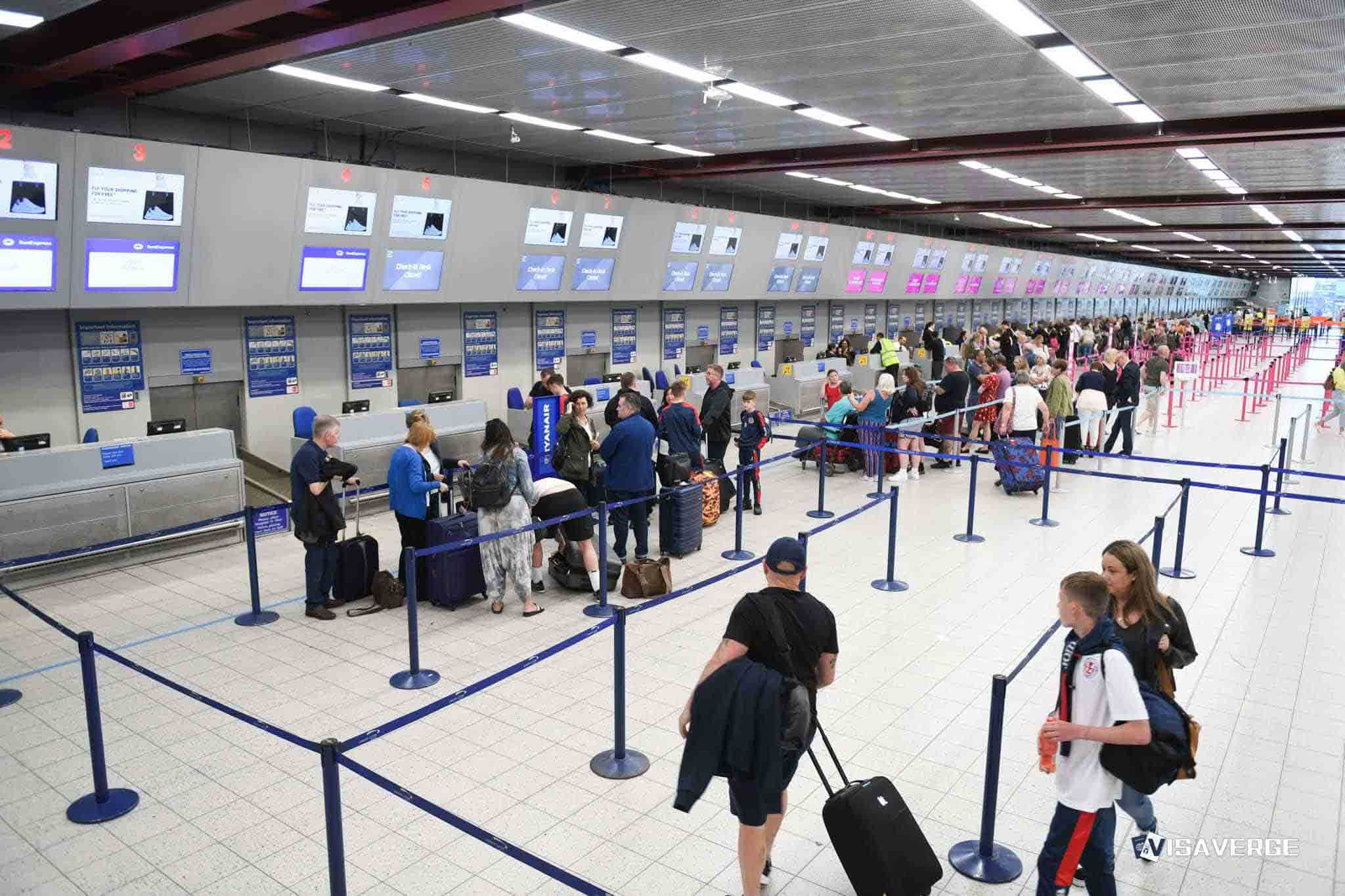
- Korean Air transitions to an emergency management system starting April 2026 to combat rising operational costs.
- Jet fuel prices surged to 450 cents per gallon, more than doubling the airline’s original budgetary projections.
- Major competitors T’way Air and Asiana implemented similar measures earlier in March following regional geopolitical conflicts.
(SOUTH KOREA) — Korean Air announced on March 31, 2026, that it will transition to a company-wide emergency management system starting in April 2026, becoming the third major South Korean airline to take that step after T’way Air on March 16 and Asiana Airlines on March 25.
The move places the country’s largest carrier alongside rivals that have already begun emergency measures as airlines confront higher fuel bills and, in Asiana’s case, prepare for integration with Korean Air. The company said the shift would apply across the business.
Vice Chairman and CEO Woo Kee-hong set out the rationale in an internal notice tied to rising costs. “At the company level, we intend to shift to an emergency management system as of April to prepare for rising costs driven by surging fuel expenses, and to immediately implement phased response measures at each oil price level to pursue company-wide cost efficiency,” Woo said.
He added that the pressure could hit the airline’s goals if current conditions last. “A massive fuel cost burden is mounting each month, and if the high oil price situation becomes prolonged, we expect serious disruption to achieving the annual business plan targets we have set,” Woo said.
Korean Air linked the pressure to soaring jet fuel prices during the ongoing Middle East conflict, triggered by a U.S. airstrike on Iran on February 28, 2026. The airline projects its April refueling unit price at approximately 450 cents per gallon, more than double the 220 cents per gallon baseline in its business plan.
Fuel already makes up a large part of airline spending. Aviation fuel accounts for 20–30% of an airline’s total costs, and prices have reached US$197 per barrel, about 297,000 Korean won, based on Singapore’s weekly average.
That level is more than twice the pre-war level of around US$90 per barrel. Airlines also face added strain from the weakening Korean won against the U.S. dollar because costs such as aircraft leasing and maintenance are dollar-denominated.
Woo framed the response as broader than short-term cuts. “These measures are not simply a one-time cost reduction but an opportunity to strengthen our structural fundamentals, successfully complete the integration [with Asiana], and build a stable foundation for future growth. With the resilience we possess, we will be able to wisely overcome this crisis as well,” he said.
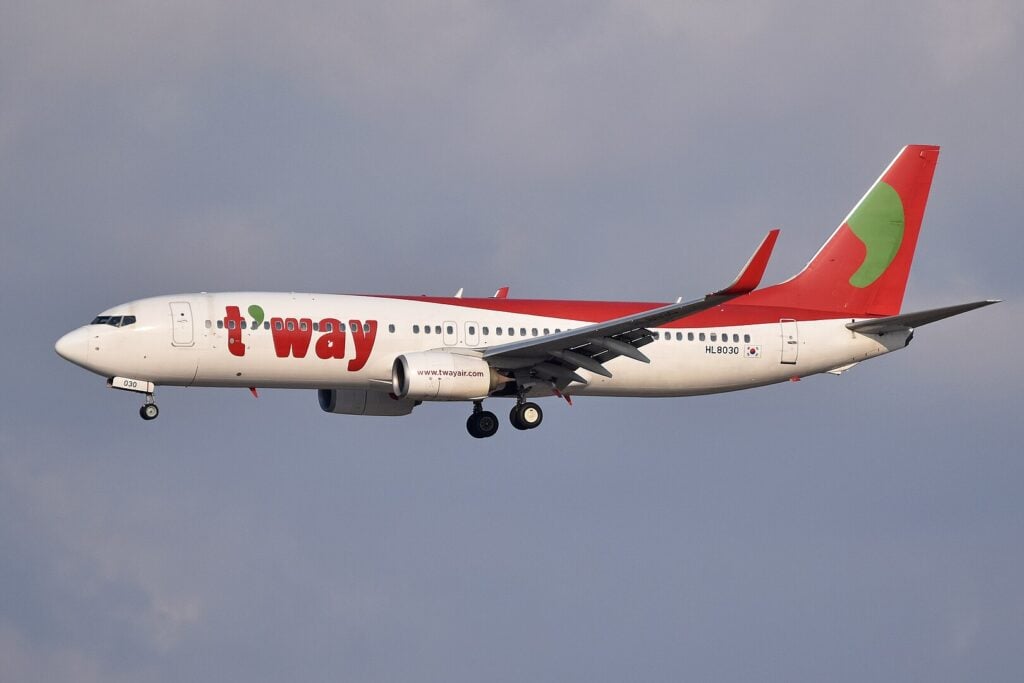
The decision by Korean Air follows similar steps elsewhere in the sector. T’way Air, the second-largest low-cost carrier, first implemented emergency management on March 16, 2026.
Asiana Airlines, which is set for integration with Korean Air, entered emergency mode on March 25, 2026. Its response includes reducing 14 international flights by May.
Those cuts span several routes from Incheon. Asiana plans two round trips on the Incheon–Phnom Penh route on May 19 and 28.
The airline also plans seven round trips on Incheon–Changchun on April 14, 17, 21 and May 6, 9, 13, 16. On Incheon–Harbin, it plans three round trips on April 15, 20, 22.
For Incheon–Yanji, Asiana plans two round trips on May 8 and 15. The route reductions come as the carrier moves through emergency measures and toward integration with Korean Air.
Subsidiaries are also being drawn into the cost-control effort. Korean Air subsidiaries Air Busan and Air Seoul will enter emergency management starting April.
Beyond those carriers, other low-cost airlines are also cutting capacity. Jin Air, Air Busan, Air Seoul and Air Premia plan flight reductions from April to minimize losses.
Taken together, the moves point to a wider response by South Korean airlines to a sharp rise in operating costs. Emergency management, once introduced by T’way Air and then by Asiana, has now reached Korean Air, broadening the shift from individual carriers to much of the market.
Korean Air’s internal notice showed that the airline plans to match its response to oil-price levels rather than rely on a single measure. Woo said the company would “immediately implement phased response measures at each oil price level,” tying the emergency management plan directly to movements in fuel prices.
That language suggests the company is preparing for continued volatility rather than a brief spike. Korean Air’s estimate of approximately 450 cents per gallon for April, compared with the 220 cents per gallon baseline in its business plan, gives a measure of how far fuel costs have moved from what the airline had expected.
The burden matters because fuel is one of the largest items in an airline’s cost base. When that share runs at 20–30% of total costs, a rapid increase can spread through the business, from route planning to wider cost controls.
The industry also faces pressure from exchange rates. With aircraft leasing and maintenance paid in dollars, a weaker won compounds the rise in fuel prices and leaves airlines exposed on more than one front.
For Korean Air, those pressures come at a time when it is also focused on bringing Asiana into the group. Woo’s statement connected the emergency plan to that process, saying the measures would help the airline “successfully complete the integration [with Asiana]” while building “a stable foundation for future growth.”
Asiana’s own cuts show how carriers are already adjusting schedules in response. By trimming flights on routes to Phnom Penh, Changchun, Harbin and Yanji, the airline is reducing exposure on selected international services as it enters emergency mode.
Other carriers are taking similar steps, though the announced reductions vary by airline. The broader pattern is that airlines are looking for ways to contain losses from April as fuel costs remain high.
Korean Air’s move carries weight because of its place in the market and because it follows emergency decisions by both a low-cost carrier and the airline it plans to integrate. That sequence has turned what began as isolated action into a broader industry response.
T’way Air’s March 16 decision came first. Asiana followed on March 25, and Korean Air announced its own transition on March 31, with implementation beginning in April 2026.
Those dates show how quickly the pressure has built across the sector in a matter of weeks. They also show how the response has spread from one airline to another as carriers confront the same fuel-price shock.
The Singapore weekly average of US$197 per barrel, or about 297,000 Korean won, has become a benchmark for that pressure. Compared with the pre-war level of around US$90 per barrel, it illustrates the scale of the jump facing airlines that had based plans on much lower costs.
Woo’s warning about “serious disruption” to annual business targets reflected that gap between planning assumptions and current prices. His message also made clear that Korean Air sees emergency management as a company-wide exercise, not a narrow response confined to one department or route.
Industry observers expect the moves to spread if the conflict continues. They predict a chain reaction, with more airlines adopting emergency measures if fuel-price pressures persist.
For now, South Korea’s airline industry is moving in the same direction: Korean Air is shifting to company-wide emergency management in April, T’way Air has already done so, Asiana has entered emergency mode while cutting 14 international flights by May, and carriers across the market are trimming flying as surging fuel expenses reshape their plans.