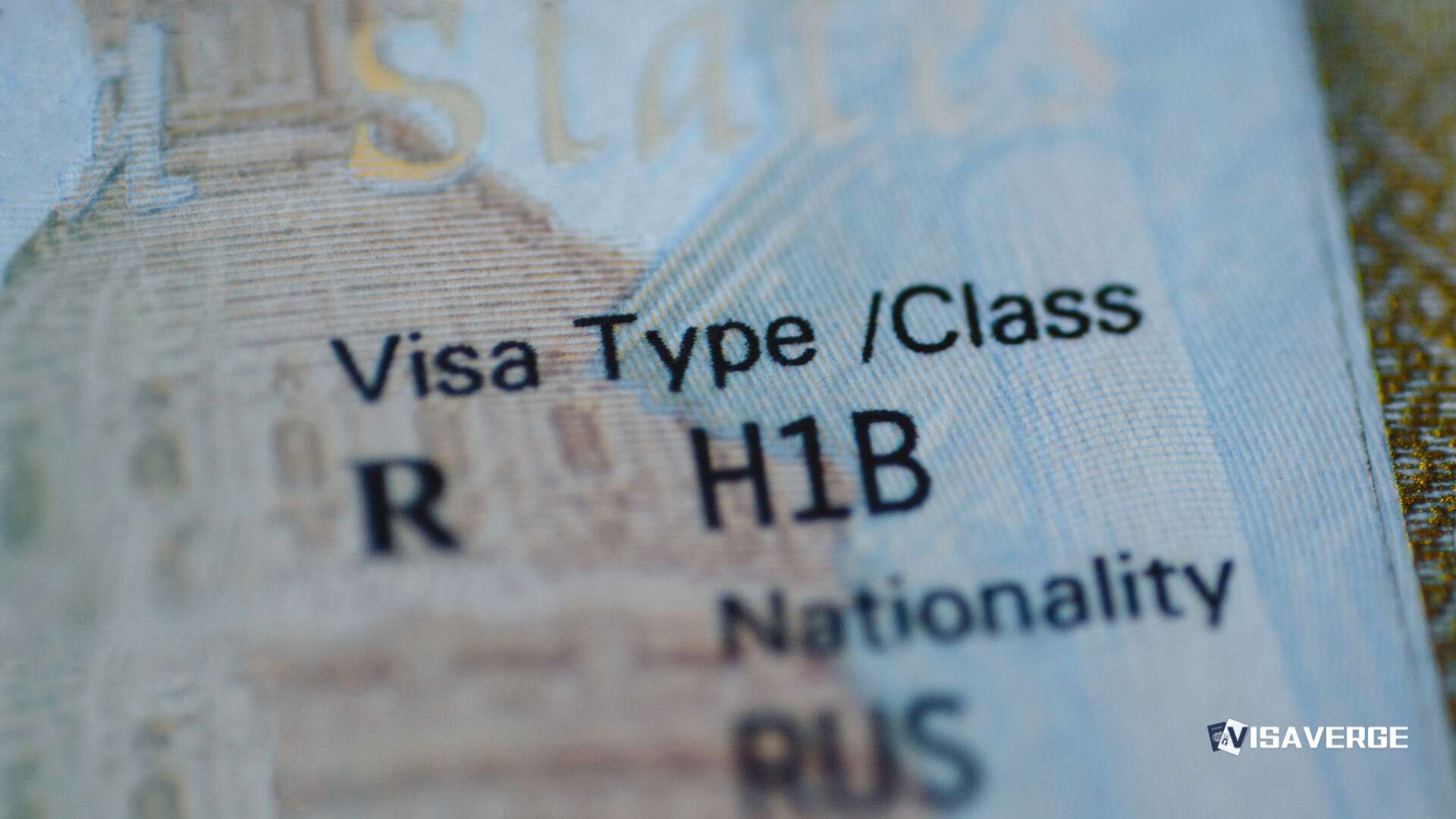
The U.S. Department of Labor (DOL) has given itself far wider powers to police the H-1B visa system, launching a new enforcement drive called Project Firewall on September 19, 2025. For the first time, the DOL can now open investigations into H-1B employers without waiting for a formal complaint from a worker, with the Secretary of Labor able to personally certify cases where there is “reasonable cause” to believe an employer is breaking program rules.
What Project Firewall changes about enforcement

The move marks one of the sharpest shifts in H‑1B enforcement in years and signals a more aggressive stance toward tech companies, consulting firms, and other major users of the visa.
- In the past, many H‑1B cases only reached federal investigators after an employee or whistleblower stepped forward.
- Under Project Firewall, the DOL can act on its own initiative based on:
- data,
- tips,
- media reports, or
- information from other agencies.
The department says the initiative is designed to root out fraud, abuse, and the unfair displacement of U.S. workers by cheaper foreign labor.
Secretary‑certified investigations
A key new tool is Secretary-certified investigations.
- The Secretary of Labor can green‑light a probe even when no individual worker has filed a complaint.
- That authority gives top leadership direct control over which employers to target and when to launch high‑profile cases.
Annual mandatory audits and what employers should expect
The DOL is also rolling out annual mandatory audits for employers with large H‑1B workforces.
- Companies that depend heavily on foreign professionals — especially in information technology, engineering, and finance — can expect:
- regular, detailed reviews of pay practices,
- examinations of job duties, and
- checks of recruitment records.
These audits go beyond routine checks and are intended to detect patterns of underpayment or sham job descriptions.
Interagency cooperation
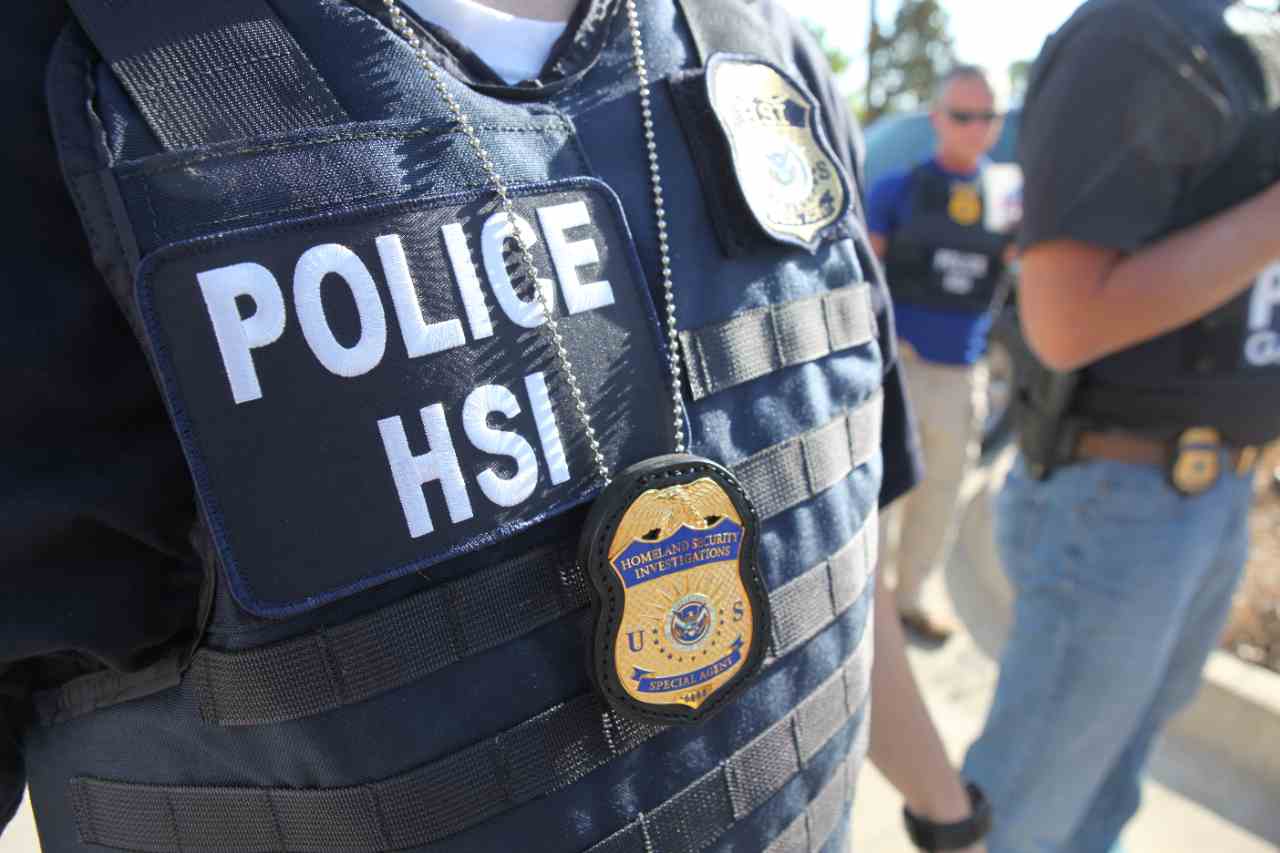
Project Firewall relies heavily on cooperation with other federal agencies. The DOL intends to work closely with:
- the Department of Justice Civil Rights Division,
- the Equal Employment Opportunity Commission (EEOC),
- U.S. Citizenship and Immigration Services (USCIS), and
- the Department of Homeland Security (DHS).
The goal is to locate both immigration violations and discriminatory hiring, such as favoring H‑1B workers over U.S. citizens or permanent residents for the same roles.
Penalties and enforcement outcomes
Penalties under Project Firewall can be severe:
- Back wage orders — forcing employers to repay underpaid workers.
- Civil money penalties — which can mount quickly in large cases.
- Debarment — in the most serious situations, the DOL can seek to debar employers from the H‑1B program entirely, cutting off access to a key pipeline of high‑skilled labor.
For companies that rely on H‑1B visas to staff long‑term projects, loss of access could upend hiring plans.
Political rationale and aims
The department ties this tougher approach directly to political concerns about “globalism” and the effects of outsourcing on U.S. workers. Officials in the current administration argue that some H‑1B employers have used the program not only to fill genuine shortages but also to:
- move jobs offshore, or
- replace U.S. workers with lower‑paid staff on temporary visas.
By raising the risk of investigation and imposing stiffer penalties, Project Firewall is meant to push employers to hire and retain more local workers.
Related policy changes and combined effects
This policy shift is part of a broader strategy that includes:
- a new $100,000 supplemental fee on certain H‑1B filings, and
- tighter wage and hiring standards.
Taken together, these measures increase the cost of sponsoring foreign workers while raising the legal risk of non‑compliance. Analysis by VisaVerge.com suggests the combined effect is likely to push some firms to:
- reduce reliance on H‑1B hiring, or
- invest more in training U.S. workers for advanced technical roles.
Effects on foreign professionals and employers
For foreign professionals already in the U.S. on H‑1B status, Project Firewall is double‑edged:
- Potential benefits:
- tougher enforcement against wage theft and sham positions could protect workers from exploitation and sudden layoffs.
- Potential downsides:
- increased government scrutiny may make some employers more cautious about sponsoring new workers or extending petitions, especially for borderline roles or complex third‑party placements.
Special pressure on consulting and outsourcing firms
Consulting and outsourcing firms face particular pressure:
- They already must file Form I‑129 with USCIS and comply with Labor Condition Application rules overseen by the DOL.
- Under Project Firewall, those same records can be pulled into unannounced audits or Secretary‑certified investigations.
- Even small documentation errors could carry higher stakes.
Official information about the H‑1B program and employer obligations is available on the U.S. Department of Labor’s H-1B page.
Reactions from worker advocates and business groups
Worker advocates, who argued the complaint‑driven system left many abuses hidden, are likely to welcome the new powers. Employees often fear retaliation if they speak out, so giving the DOL authority to act without a named complainant could enable:
- more systemic cases built on payroll data, hiring records, and patterns across multiple worksites.
Business groups, however, are expected to raise concerns that the broader enforcement net could ensnare employers who simply misunderstand complex H‑1B rules. Key worries include:
- treating technical errors like deliberate misconduct, and
- increasing legal uncertainty for firms that genuinely need global talent.
Impact on smaller employers and startups
Project Firewall also sends a signal beyond large H‑1B users. Smaller employers — including start‑ups and mid‑sized firms that file only a handful of petitions — may now reconsider whether the benefits of hiring foreign professionals outweigh the costs and risks.
- For some, fear of an unexpected investigation plus the $100,000 supplemental fee could discourage participation in the H‑1B program, even when local candidates are scarce.
Broader messaging and political context
The initiative’s political framing — emphasizing “globalism” and job loss — highlights how the H‑1B visa has become a symbol in wider debates about trade, outsourcing, and corporate responsibility.
- By tying enforcement to American job security, the administration presents Project Firewall as part of a broader promise to protect domestic workers from perceived downsides of the global labor market.
Key takeaway: Project Firewall significantly expands DOL authority over H‑1B enforcement by allowing Secretary‑certified investigations and mandatory annual audits, increasing penalties, and coordinating closely with other federal agencies. Employers and foreign professionals alike should review compliance practices and prepare for closer government scrutiny.
What to expect next
For now, the DOL has not publicly detailed:
- which industries or employers it will target first, or
- how often the Secretary of Labor will personally certify new cases.
Nevertheless, the announcement is likely to prompt in‑house counsel and immigration teams across the country to:
- review their H‑1B files,
- audit pay and hiring practices, and
- prepare for closer contact with government investigators in the months ahead.
Project Firewall, launched Sept. 19, 2025, expands DOL authority over H‑1B enforcement by allowing Secretary‑certified investigations without worker complaints, using data and interagency tips. The initiative imposes annual mandatory audits for large H‑1B employers, raises penalties including back wages and debarment, and pairs enforcement with a $100,000 supplemental fee and tighter wage standards. Employers, especially tech, consulting, and outsourcing firms, must review compliance and prepare for intensified scrutiny.