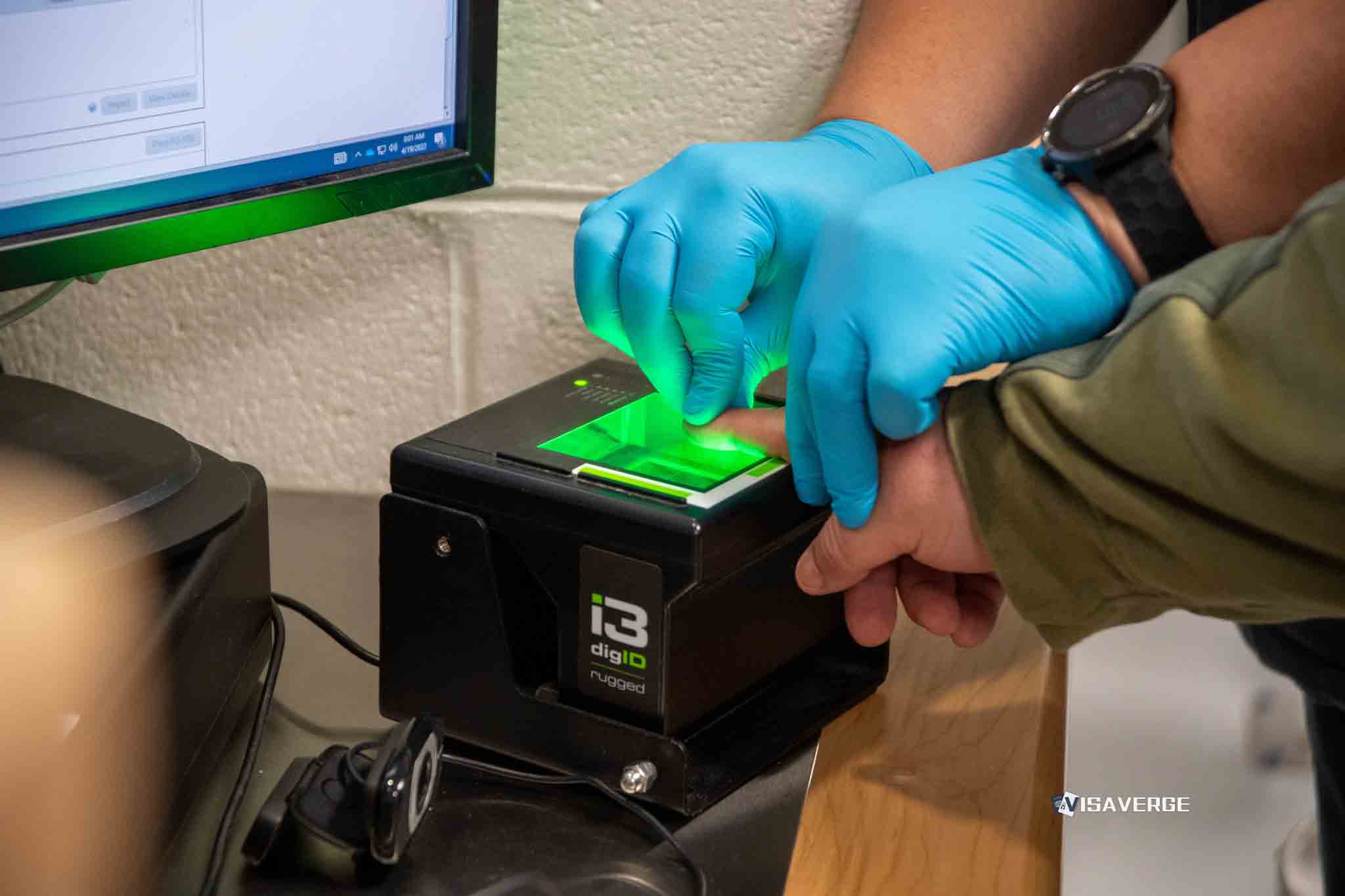
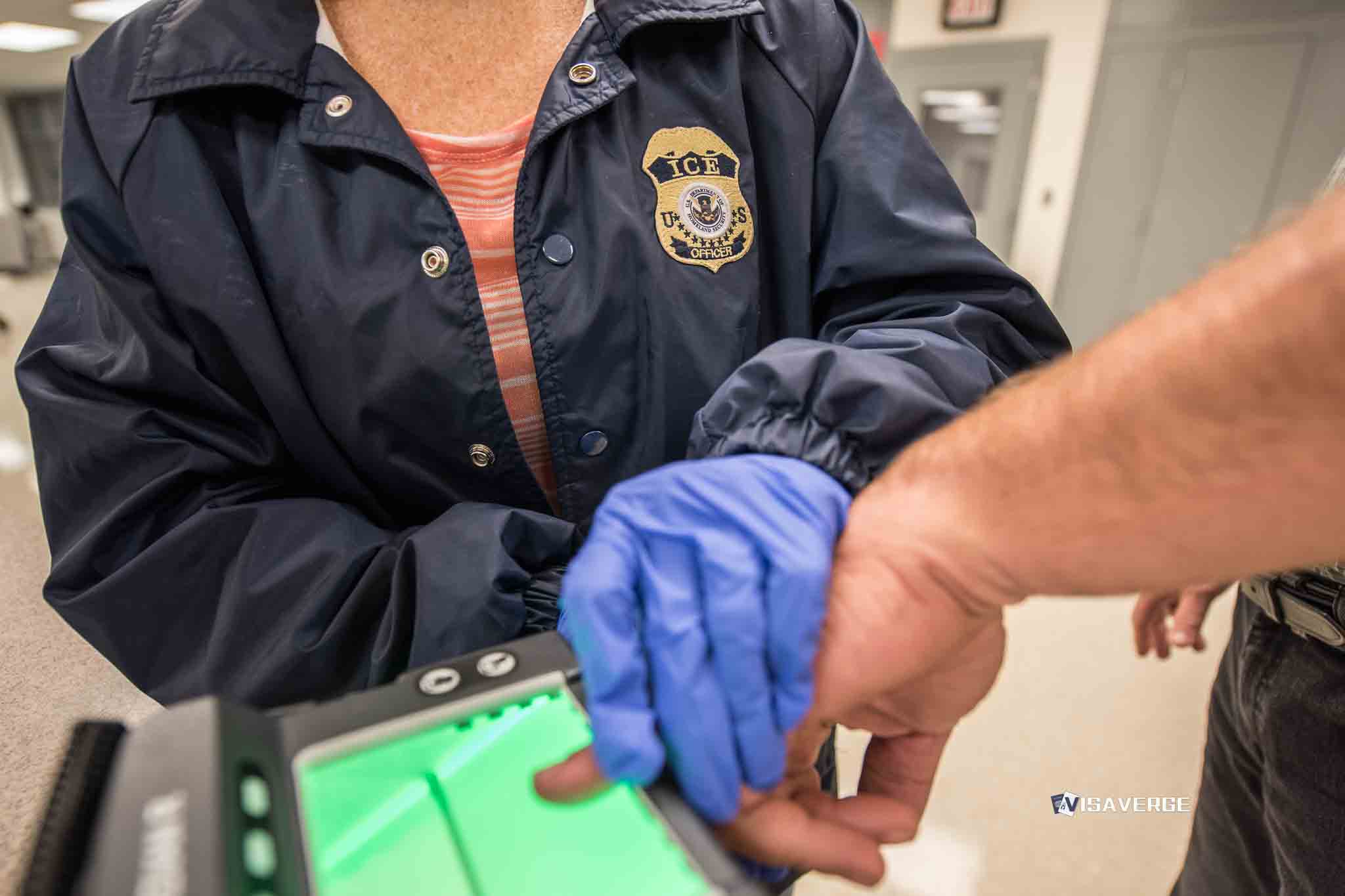
The Department of Homeland Security announced on November 17, 2025 that more than 500,000 individuals had been arrested and deported nationwide during the 2025 calendar year under new mass deportation directives.
Tricia McLaughlin, Assistant Secretary, put the agency’s message in blunt terms:

“The Department of Homeland Security has had a historic year. DHS can now execute its lawful authority and remove illegal aliens to a country willing to accept them. Fire up the deportation planes.” (June 23, 2025 / December 19, 2025)
Free toolUSCIS Receipt Number Decoder
Background: Post–Title 42 reporting and the 2024 milestone
The late-2025 announcement followed an earlier DHS/CBP milestone reported in 2024, which tallied removals and returns in the year after the end of Title 42.
On June 20, 2024, U.S. Customs and Border Protection (CBP) released a May 2024 monthly update confirming that from May 12, 2023, to May 31, 2024, DHS removed or returned over 775,000 individuals.
Troy A. Miller, Senior Official Performing the Duties of the Commissioner, described the approach at the time:
“Our enforcement efforts are continuing to reduce southwest border encounters. The dedicated men and women of CBP will continue to prioritize national security and disrupt criminal networks, while maximizing consequences for unlawful entry, including detention, prosecution, and removal under recently announced executive actions to further secure the border.” (June 20, 2024)
CBP noted that that one-year total exceeded those of any full fiscal year since 2010, in its accounting of removals and returns after the Title 42 public health order expired.
Shift from Title 42 to Title 8 authorities
DHS framed the operational change as a move back to “Title 8” authorities, which the department described as carrying a minimum five-year bar on admission and potential criminal prosecution for re-entry.
- Title 8 consequences highlighted by DHS:
- Five-year ban on re-entry for individuals removed under Title 8.
- Felony charges for those who illegally re-enter after removal.
Expanded enforcement posture in 2025
By late 2025, DHS described its enforcement posture as both broader and more operationally aggressive, including a push to increase the number of agencies involved in immigration arrests.
On January 23, 2025, Acting Secretary Benjamine Huffman issued a directive empowering DOJ officials, including U.S. Marshals, DEA, and FBI, to assist in the apprehension of undocumented individuals.
Huffman tied the directive to the White House’s political pledge:
“Mobilizing these law enforcement officials will help fulfill President Trump’s promise to the American people to carry out mass deportations.”
DHS also took steps affecting migrants who had entered under a prior parole process, pairing removal efforts with changes to legal protections and employment authorization.
In June 2025, DHS revoked the work authorizations and legal protections for approximately 530,000 migrants from Cuba, Haiti, Nicaragua, and Venezuela (CHNV) who had entered under a previous humanitarian parole program.
Local operations and targeted enforcement
DHS’s enforcement messaging repeatedly emphasized legal penalties tied to Title 8 removal, including long-term consequences for future entry.
As the late-2025 campaign accelerated, DHS pointed to local impacts and targeted operations, including reports of large-scale operations directed at people with criminal records.
- Reports from late 2025 (including in Charlotte, North Carolina) indicated operations targeting individuals with criminal records, including those charged under the “Laken Riley Act” crimes.
Fiscal-year reporting and trends
The government’s public accounting of removals and returns has been presented through fiscal-year reporting that overlaps the Title 42 post-expiration period and the later 2025 surge.
- FY 2024: 685,000+ total removals/returns (official figures reported by DHS)
- FY 2025: 500,000+ (as of Nov 2025) in preliminary or reported totals
DHS also described broader border trends alongside enforcement data:
- “60% decrease (May–Dec 2024)” in southwest border encounters (DHS/CBP reported)
- “Lowest levels since 2020” for FY 2025 (in preliminary or reported terms)
- Expedited removals: framed as having “Tripled (Record levels)” in FY 2024
- FY 2025 described as featuring “Continuous high-volume flights.”
Summary table: Key reported totals and dates
| Period / Date | Reported total | Description |
|---|---|---|
| May 12, 2023 – May 31, 2024 | 775,000+ | DHS removed or returned individuals in the year after Title 42 ended (CBP May 2024 update). |
| Fiscal Year 2024 | 685,000+ | DHS official fiscal-year removals/returns figures. |
| Calendar Year 2025 (as announced Nov 17, 2025) | 500,000+ | Individuals arrested and deported under 2025 directives. |
| June 2025 (CHNV parole revocations) | 530,000 | Migrants from Cuba, Haiti, Nicaragua, Venezuela had work authorizations and protections revoked. |
How DHS calculates totals
DHS has explained that its totals combine “Removals” and “Returns”, with distinct meanings:
- Removals: Enforced via court order.
- Returns: Voluntary or immediate border turn-backs that are counted toward the total deportation metrics DHS reports.
The paired milestones—over 775,000 individuals removed or returned in the year after Title 42 ended, and more than 500,000 individuals arrested and deported in the 2025 calendar year—demonstrate how the department publicly measured intensified enforcement across two separate periods.
McLaughlin’s phrase, “Fire up the deportation planes,” captured the tone of the late-2025 push, as DHS argued it was exercising “lawful authority” to remove people “to a country willing to accept them.”
Sources and where DHS/CBP publish data
DHS and CBP have made their statistics and enforcement announcements available through government sites, including:
- DHS newsroom: https://www.dhs.gov/news
- CBP operational statistics: https://www.cbp.gov/newsroom/stats
- Office of Homeland Security Statistics: https://ohss.dhs.gov
- ICE Enforcement and Removal Operations statistics: https://www.ice.gov/features/ero-statistics
DHS reported a historic surge in enforcement, with over 500,000 deportations in 2025. This aggressive posture involved inter-agency cooperation with the DOJ and the revocation of parole for over 530,000 migrants from specific nations. By utilizing Title 8 authorities, the department increased legal penalties for illegal entry, including multi-year bans, while recording a significant 60% decrease in border encounters during late 2024.