(INDIA) — India’s main carriers suspended Middle East flights on February 28, 2026, after airspace closures across Iran, Israel, UAE, Saudi Arabia, Iraq, Jordan and other countries followed US-Israel strikes on Iran and retaliatory actions.
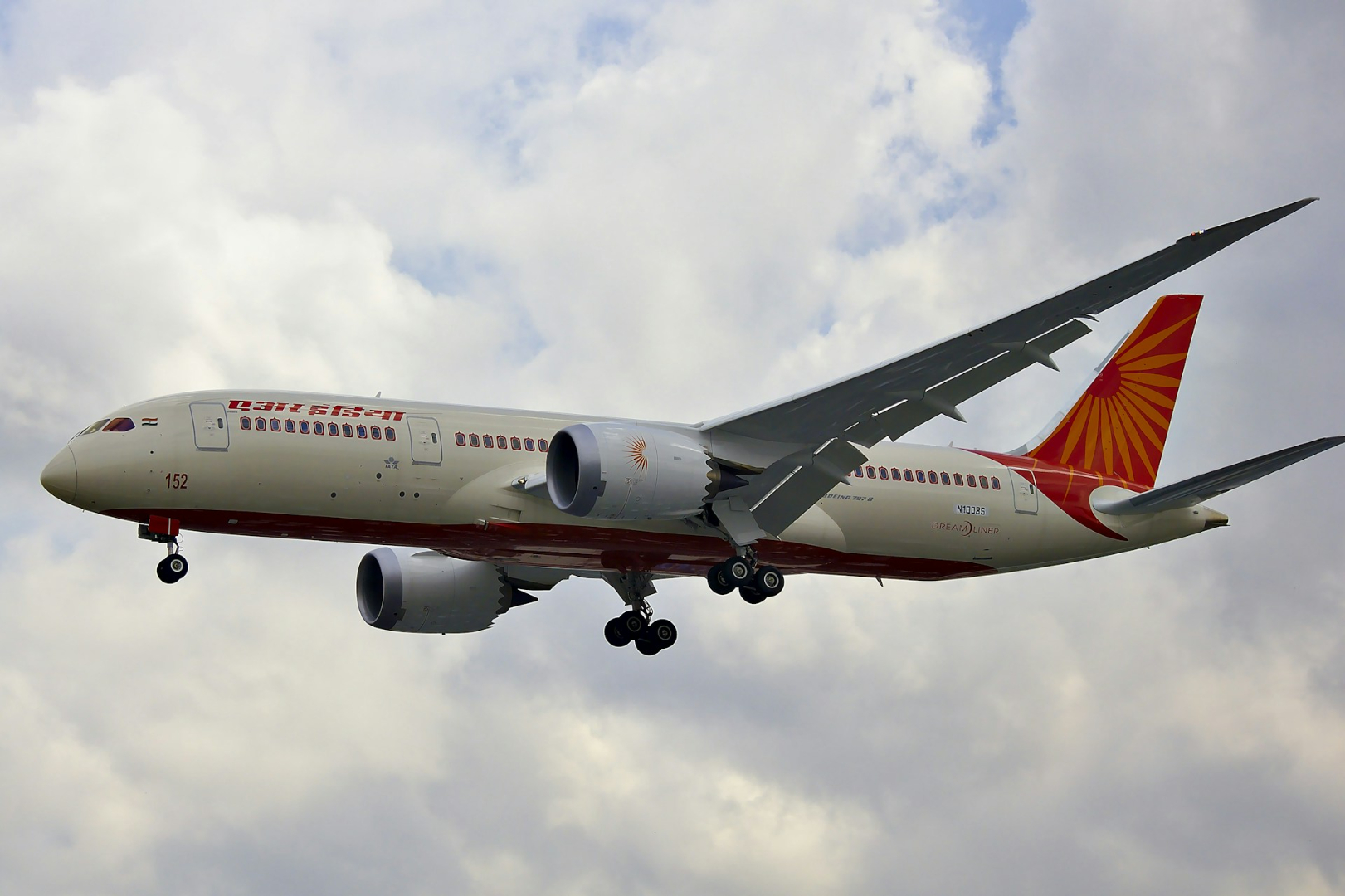
Air India, IndiGo, Air India Express, SpiceJet and Akasa Air halted services to and from Middle East destinations, citing safety concerns as restrictions spread across key corridors used by Indian Airlines on westbound routes.
The Directorate General of Civil Aviation issued a DGCA advisory telling carriers to avoid the airspaces of 11 countries—Iran, Israel, Lebanon, UAE, Saudi Arabia, Bahrain, Oman, Iraq, Jordan, Kuwait and Qatar—until March 2.
Air India suspended all flights to Middle East destinations “until further notice” or until 2359 hours on March 1, 2026. One of its services, a Delhi-Tel Aviv flight numbered AI 139, diverted back to Mumbai after an Israeli airspace closure.
IndiGo cancelled all flights to and from the Middle East until 0000 hours (midnight) on February 28/29, 2026, and said at least 72 flights were affected. The airline also suspended operations to other select international sectors until March 1, 6 pm IST.
Air India Express suspended westbound international flights, including Middle East services, until 2359 hours on March 1, 2026. The disruption hit what the carrier described as its average 110 daily flights to the Gulf.
SpiceJet reported cancellations and disruptions on UAE routes, including Dubai and Sharjah, after Dubai airspace closure, and halted all Middle East operations.
Akasa Air suspended all flights to and from Abu Dhabi, Doha, Jeddah, Kuwait and Riyadh until March 2, 2026.
The broad shutdown rippled quickly to India’s busiest airports, as carriers stopped or rerouted westbound flying that relies on the same corridor of overflight permissions. Airlines also warned that even flights not directly bound for the Middle East could face longer routings when airspace closures force detours.
Civil Aviation Minister K Rammohan Naidu reviewed the situation with officials as the cancellations mounted, with passenger safety and coordination the priority, the source content said.
Delhi and Mumbai airports reported 57 cancellations by 5:45 pm on February 28, underscoring the speed at which the suspension orders affected schedules. Amritsar Airport issued similar advisories as airlines and airports prepared for continuing disruption.
For travellers, airlines and airports urged passengers to confirm the status of their flights before leaving for terminals, as schedules changed through the day and carriers adjusted to new routing restrictions. IndiGo urged passengers to check status on the airline’s website or app before heading to the airport.
Airlines told customers to contact them directly for options because remedies depend on route, timing and carrier, with operators offering combinations of full refunds, free rescheduling or waivers. IndiGo, in particular, offered flexibility through March 7 for affected bookings, applying waivers and options for bookings made on or before Feb 28 until March 7.
Air India directed passengers to use its website to check flight status, and offered 24×7 call center support at +91 1169329333 and +91 1169329999. The airline’s suspension window left travellers waiting for clarity on when flights could safely resume, after it halted all Middle East services until further notice or 2359 hours on March 1, 2026.
IndiGo told travellers they could process refunds and rescheduling through its website as it paused Middle East flying through 0000 hours (midnight) on February 28/29, 2026. The airline’s wider international disruption extended beyond the Gulf, with operations to other select international sectors also suspended until March 1, 6 pm IST.
Air India Express offered free rescheduling or full refunds as it stopped westbound international flights, including Middle East services, until 2359 hours on March 1, 2026. The carrier’s footprint in the Gulf, which it put at an average 110 daily flights, meant the suspension affected a large share of its network.
SpiceJet told passengers to use its website or a 24×7 helpline, while its UAE flights were cancelled or disrupted and its Middle East operations remained halted. The airline’s mention of Dubai and Sharjah reflected how quickly airport and airspace restrictions can shut down short-haul Gulf travel that typically carries Indian workers, families and connecting passengers.
Akasa Air’s suspension list—Abu Dhabi, Doha, Jeddah, Kuwait and Riyadh—covered major Gulf markets frequently used by travellers connecting onward to Europe and North America. The carrier kept the pause in place until March 2, 2026, matching the horizon of the DGCA advisory to avoid specified airspaces.
Airports also warned of knock-on effects even where flights did not cancel outright. Delhi Airport cautioned passengers to expect delays on westbound international flights, as airlines worked around the closures and adjusted crew schedules.
The safety-driven nature of the decision shaped the public messaging from airlines, which said they were monitoring the situation 24/7 and would resume services once safe corridors reopen. IndiGo and Air India emphasised crew and passenger safety as the top priority, the source content said.
The disruption in Indian Airlines’ Middle East flights came alongside similar problems faced by major overseas operators. Lufthansa planned disruptions until March 7, while Air France and UAE airlines Etihad and Emirates also faced issues that prolonged the interruptions, the source content said.
The list of airspaces the DGCA warned against—stretching from Iran and Iraq to the UAE and Qatar—covers some of the most heavily used routes for India’s westbound international traffic, including flights to Gulf hubs used for onward connections. Even where airlines can technically fly by rerouting, longer paths can strain schedules and raise the chances of delays, as aircraft and crews arrive out of position for later departures.
The immediate impact showed in the number of cancellations reported at Delhi and Mumbai, and in the spread of advisories to airports such as Amritsar. With the disruption beginning on February 28, 2026, and with some airline suspensions running through March 1 or March 2, travellers faced shifting time windows depending on carrier and destination.
Air India’s decision to divert AI 139 back to Mumbai highlighted the operational pressures airlines face when airspace access changes mid-flight. Such diversions can trigger cascading effects, including aircraft rotations being broken and crews timing out, complicating the recovery of normal schedules.
IndiGo’s tally of at least 72 flights affected reflected the scale of the carrier’s Middle East network and the speed with which cancellations can mount when an airline acts across multiple Gulf markets at once. The company’s additional suspension to other select international sectors until March 1, 6 pm IST signalled that the effects stretched beyond the immediate Middle East list.
Air India Express’s pause on westbound international flying hit routes that are often designed around high-frequency operations and tight turnaround times. With an average 110 daily flights to the Gulf affected, the airline’s disruption also risked crowding customer support channels as passengers sought rebooking.
SpiceJet’s report of cancelled or disrupted UAE flights, including Dubai and Sharjah, tied the passenger experience directly to Dubai airspace closure and showed how a closure in one node can interrupt an entire short-haul schedule.
Akasa Air’s suspension through March 2, 2026, left passengers travelling to or from five Gulf cities needing alternatives or refunds, depending on individual travel needs and the carrier’s options.
As airlines rolled out passenger support measures, the basic guidance remained consistent: check the flight status on airline websites or apps before going to the airport, then contact the airline for options if the flight is cancelled or delayed. With multiple carriers offering full refunds, free rescheduling or waivers, travellers faced different terms by airline, with IndiGo’s flexibility extending to March 7 for eligible bookings.
The coming days of disruption now depend on when airspace restrictions ease and when safe corridors reopen, as carriers keep monitoring the situation around the clock and regulators maintain their advisories through March 2.
DGCA Advises Indian Airlines as They Suspend Middle East Flights
India’s aviation sector faces major disruption as all leading carriers suspended Middle East operations due to escalating regional conflict and subsequent airspace closures. Following a DGCA advisory covering eleven nations, airlines like IndiGo and Air India have cancelled dozens of daily flights. While safety remains the priority, the move has triggered widespread cancellations at Delhi and Mumbai airports, with carriers providing refunds and rescheduling options to affected passengers.