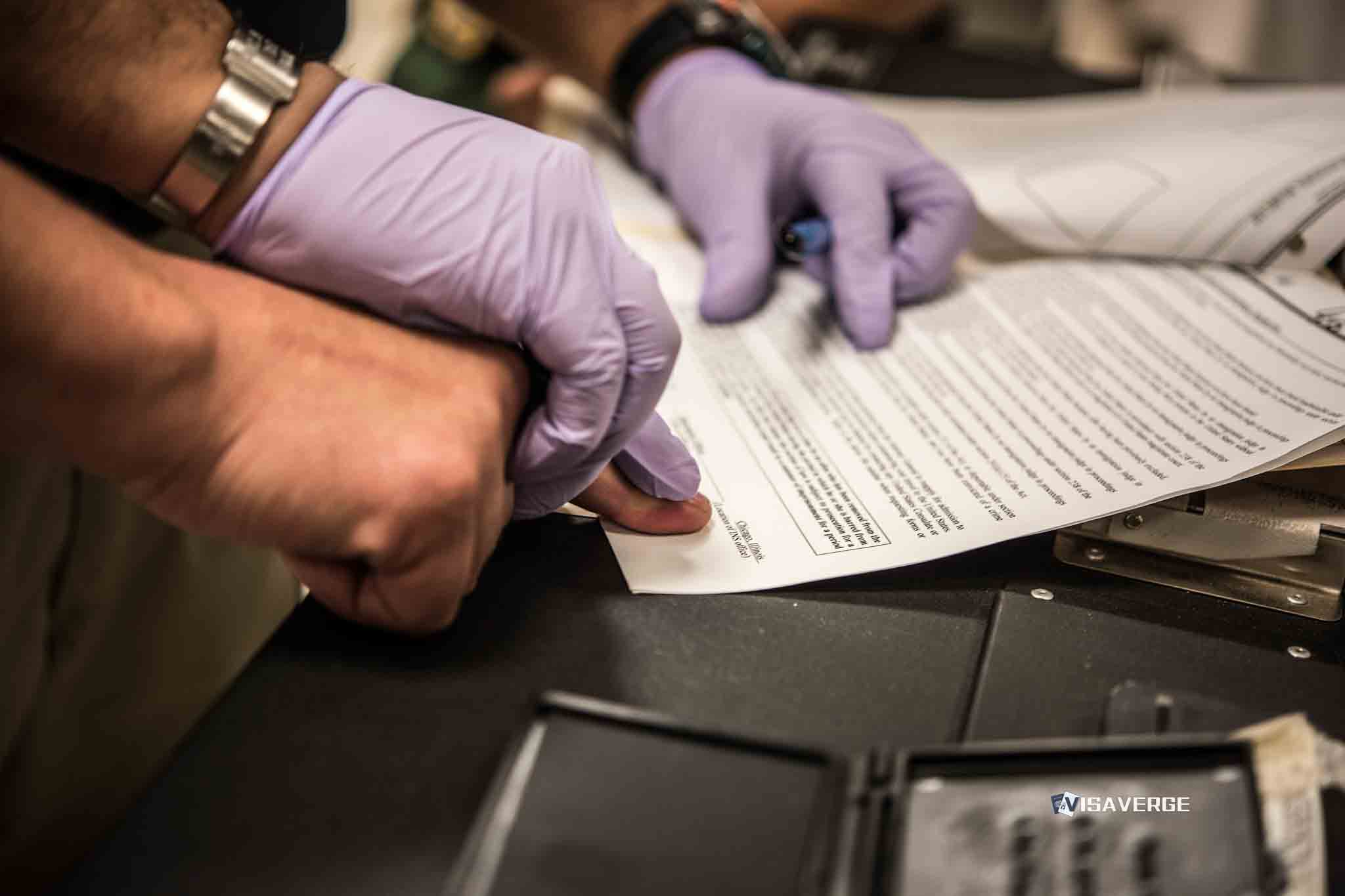
(UNITED STATES) Babblejit “Bubbly” Kaur, a 60-year-old Indian-origin woman who has lived in the United States 🇺🇸 since 1994, was detained by Immigration and Customs Enforcement (ICE) on December 1, 2025 while she was at a USCIS office in California for a biometric appointment tied to her approved green card application, according to her family and lawyers involved in the case. She had come expecting routine fingerprints and photos; instead, agents called her from the front desk into a room and arrested her.
Kaur, a Long Beach resident and former co-owner of Natraj Cuisine of India and Nepal for more than 20 years, also worked for Rite Aid for 25 years, relatives said. Her husband is a lawful permanent resident, and her U.S. citizen daughter filed the family petition that allowed Kaur to seek permanent residence through adjustment of status. The petition had already been approved, making the detention during a step many immigrants see as administrative paperwork all the more shocking. Family members said she has no criminal record.
Where she was taken and immediate aftermath
After the arrest, her family spent hours trying to find out where she had been taken. They eventually located her through ICE’s online detainee locator and learned she had been moved overnight to the Adelanto ICE Processing Center, an immigration jail in California’s High Desert that operates in a former federal prison.
The sudden transfer left relatives scrambling for:
- legal help
- medications
- basic information about visiting rules
Kaur remained in custody as of December 15, 2025, while her lawyers prepared filings seeking her release on bond.
| India | China | ROW | |
|---|---|---|---|
| EB-1 | Apr 01, 2023 ▲31d | Apr 01, 2023 ▲31d | Current |
| EB-2 | Jul 15, 2014 ▲303d | Sep 01, 2021 | Current |
| EB-3 | Nov 15, 2013 | Jun 15, 2021 ▲45d | Jun 01, 2024 ▲244d |
| F-1 | May 01, 2017 ▲174d | May 01, 2017 ▲174d | May 01, 2017 ▲174d |
| F-2A | Feb 01, 2024 | Feb 01, 2024 | Feb 01, 2024 |
Family impact and conditions in custody
Her daughter, Joti Kaur (34), who is protected under Deferred Action for Childhood Arrivals (DACA), said the detention has shaken a family that thought it was finally nearing the end of a long immigration wait.
“It’s been a nightmare… She doesn’t belong there. It’s so inhumane,” Joti Kaur said, describing her mother being shackled and placed in dorm-style housing where lights stay on and noise carries through the night.
She said short visits can require a full day of waiting, adding to the strain on relatives who work and care for children.
Political and legal response
Democratic Congressman Robert Garcia, who represents California’s 42nd district including Long Beach, has been contacting federal agencies and tracking the case, his office said, as lawyers press for bond and for ICE to allow Kaur to continue her application outside detention.
The family says the stakes are simple: after 31 years in the United States, Kaur’s life, home, and work history are rooted in Southern California, and her detention could turn a scheduled immigration appointment into the start of removal proceedings.
Broader pattern: arrests at USCIS appointments
Immigration lawyers say Kaur’s case is part of a wider pattern that has unsettled many immigrants who keep showing up for scheduled appointments because the system tells them to. Attorneys have reported ICE arrests at USCIS buildings during a Green Card interview or even during biometrics when the applicant is found to have an unresolved status problem such as a visa overstay.
In these accounts, agents appear to coordinate on site, so that an adjustment applicant who comes in expecting questions about forms can instead be taken into custody within minutes. The reports describe people with no criminal history being detained anyway.
What “adjustment of status” involves
Adjustment of status lets some people apply for a green card without leaving the United States 🇺🇸, often after a U.S. citizen spouse or adult child files a petition. The main application is Form I-485, officially called Application to Register Permanent Residence or Adjust Status. USCIS can require biometrics and an in-person interview before it decides the case.
- USCIS explains filing and evidence rules on its official page for Form I-485.
- Lawyers say the approval of a family petition does not erase an overstay or other past violation, which can give ICE a reason to start detention.
Possible triggers for arrest and lack of public details
Federal authorities have not publicly described the specific violation that triggered Kaur’s arrest, and her family says she believed she was doing everything required by showing up to USCIS as instructed.
Attorneys following similar cases say the most common trigger is an old overstay that comes to light when USCIS reviews travel history and prior entries. According to analysis by VisaVerge.com, the rise in on-site arrests has made even routine appointments feel risky for applicants who have lived quietly for years while waiting for a family-based green card path to open.
Who else is at risk
The fear has spread beyond family-based cases. Other groups that lawyers say can be vulnerable include:
- International students (F-1 visas) — who watch end dates closely
- H-1B workers — where a missed extension filing can cause problems later
- Remote workers / digital nomads — who may rely on informal travel patterns rather than formal filings
Kaur’s detention has become a warning story in immigrant neighborhoods: doing the “right” thing by attending an appointment does not always feel safe.
Context: enforcement resources and trends
The episode comes as the federal government has put more money and staff into deportation operations and border enforcement, a push that can show up far from the border when interior arrests rise. There has been no public announcement of a new national rule requiring ICE to make arrests at USCIS facilities, and the reports described by attorneys vary by region, with California mentioned often.
Even so, the trend has introduced a new question for immigrants: whether a visit to a government office, once seen as a step toward legal status, could double as an enforcement trap.
Practical advice from attorneys after similar arrests
Relatives say they moved quickly from celebration to damage control — calling attorneys, gathering past immigration records, and trying to get a clear answer on when she might see a judge.
Lawyers who have handled similar arrests advise:
- Review any past periods out of status before scheduling an interview.
- Be prepared to respond if an officer raises questions about unlawful presence.
- Bring a lawyer to a Green Card interview when possible.
- Keep emergency contact information on paper (phones may be taken).
- Seek help from elected officials (as Kaur’s family did with Rep. Garcia).
- Check custody details through ICE tools.
Community response and the human story
For many Indian American families, the arrest of an Indian-origin woman with deep ties has landed as a jolt. Kaur’s husband already holds a green card, two of her children are U.S. citizens, and the family says she has paid taxes and kept steady work for decades — a profile often cited in debates over who “deserves” a path to stay.
Instead, her case shows how a single unresolved technical issue can outweigh years of residence once ICE enters the picture. Community members who know the family say they are raising money for legal fees and travel to Adelanto.
Ongoing legal efforts and the family’s message
Kaur’s lawyers have asked for bond while USCIS continues to decide the adjustment case, but detention can make it harder to:
- collect documents
- stay in touch with family
- coordinate evidence for the application
The family notes the irony: the government summoned her to finish the last steps toward permanent status, then jailed her in the same building. For immigrants with pending cases, the message from these events is less about paperwork and more about risk — especially for anyone worried about a past overstay coming back during a routine appointment.
Her relatives say they won’t stop until she is home again.
Babblejit Kaur, 60, was arrested by ICE during a USCIS biometric appointment despite an approved family petition and decades of U.S. residence. Transferred to Adelanto, her family is seeking bond while lawyers argue this fits a broader pattern of on-site arrests at USCIS offices. The case underscores risks tied to past overstays and urges applicants to review status, secure legal counsel, and prepare documentation before interviews.