delta air lines just made a fleet move that will matter to SkyMiles members for the next decade. On Tuesday, Jan. 13, 2026, Delta announced a firm order for Boeing 787-10 Dreamliners, with options for more.
For you, that signals more Delta One Suites and Premium Select seats coming to the long-haul network, plus a gradual phase-out of older widebodies that can mean fewer cancellations and more consistent premium cabins.
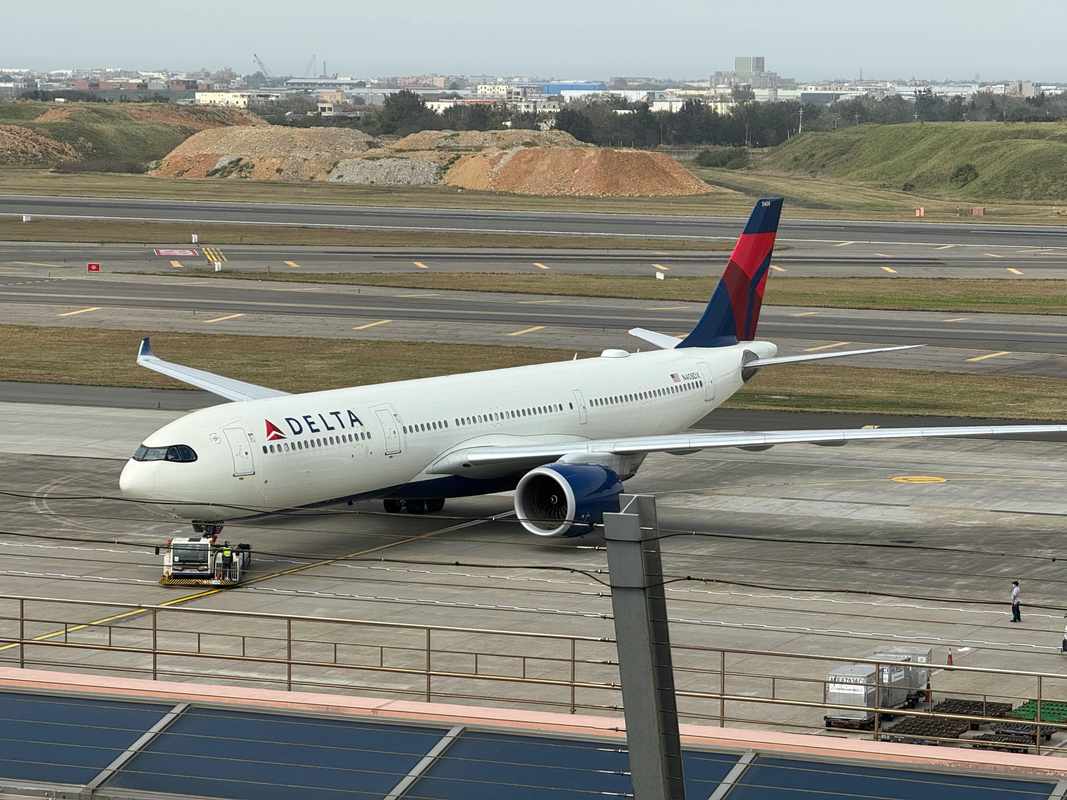
It’s also notable because it’s Delta’s first direct order for any 787-family jet. And it adds to Delta’s already-hefty boeing order book, which matters if you plan trips around Delta’s future routes and cabin products.
1) Announcement overview: what Delta ordered, and why SkyMiles members should care
Delta confirmed it has placed a firm order for 30 Boeing 787-10 Dreamliners, plus purchase options for up to 30 more. The deal pushes Delta’s total firm Boeing order book to 130 aircraft, including its earlier 100-unit 737-10 MAX order.
Two terms are worth decoding.
- Firm order: Delta is committed to buying those jets. Boeing can plan production, and Delta can plan staffing, training, and routes.
- Options: Delta holds the right to buy more at pre-agreed terms. Think of it as a “reserve button” for growth or replacement needs.
For loyalty members, firm orders are the ones that you can plan around. Options are the “maybe,” but they still tell you where Delta wants to go.
2) Order context and fleet position: what a 2031 delivery start really means
This is a long-lead-time order. Deliveries are slated to begin in 2031, which is typical for a widebody purchase in today’s production environment.
Here’s what that timing usually means in practice: routes won’t change overnight; cabin planning starts early; and widebodies arrive over multiple years, not all at once.
- Routes won’t change tomorrow. Fleet orders don’t magically add flights next season.
- Cabin planning starts early. Delta can lock in the bones of a premium-heavy layout years in advance.
- You’ll see a slow roll. Widebodies arrive over multiple years, not all at once.
Delta already has a large pipeline of new aircraft. The airline has said it now has 286 new jets on order across manufacturers, including a widebody slice. Delta also already operates 460+ Boeing aircraft, so this isn’t a new supplier relationship — it’s a new widebody type relationship.
why widebodies matter more than narrowbodies for loyalty members:
- They drive Delta One and Premium Select capacity.
- They influence Sky Club crowding at international hubs.
- They shift the supply of award seats and upgrade inventory on the longest routes.
- They bring meaningful cargo revenue, which can keep marginal routes financially viable.
3) Purpose, routes, and efficiency gains: where the 787-10 fits
Delta says the 787-10s will replace older widebodies on high-demand transatlantic and South American flying. That’s intentionally broad, and it should be. Airlines rarely lock city pairs this far out.
Replacement matters as much as growth. New widebodies typically bring fewer maintenance-related delays than aging jets, better dispatch reliability, and more consistent onboard products if Delta standardizes layouts.
Delta also highlighted about 25% better fuel efficiency per seat compared with the jets it plans to replace. That type of step-change influences two things travelers actually feel: more stable schedules in shoulder seasons and more premium seats.
- More stable schedules in shoulder seasons. Lower costs help airlines keep routes operating longer.
- More premium seats. New jets often debut with a higher share of Delta One and Premium Select.
That last point is the quiet loyalty story. More premium seats can eventually loosen the market in three ways: more paid upgrade opportunities, more award-seat supply on some flights, and a different upgrade waitlist dynamic on currently tight routes.
Pro Tip: If you rely on complimentary upgrades, watch seat maps when new widebodies arrive. More Delta One seats doesn’t always mean more upgrades. Delta can also sell more last-minute paid upgrades.
4) Passenger experience: what a 787-10 tends to feel like onboard
Even before Delta picks the final seat counts, the 787 platform has some built-in comfort traits. On long flights, they can make a real difference.
- Lower cabin altitude pressurization than older widebodies, which many travelers feel as less dryness and fatigue.
- Quieter cabin compared with older-generation jets.
- Large windows with tint control, which can reduce the constant up-and-down of shades.
- Lighting systems that help crews run more gradual sleep and meal timing.
Delta also said its 787-10s will feature Delta One Suites and Delta Premium Select. That’s a big deal, but it comes with a reality check: the aircraft is the platform, and the airline-installed product is what you experience.
Delta still needs to finalize the exact Delta One seat model and density, whether Premium Select grows meaningfully versus today’s widebodies, economy seat pitch and any extra-legroom mix, and the IFE hardware generation and Bluetooth strategy.
If Delta gets this right, the best outcome is consistency. It’s frustrating when the “same” Delta One route swings from excellent to dated by aircraft swap.
5) What Delta and Boeing are signaling, and how you can judge it later
Delta CEO Ed Bastian framed the order around building a “fleet for the future,” improving customer experience, and replacing older, less efficient aircraft through the next decade.
Boeing Commercial Airplanes CEO Stephanie Pope pointed to the 787’s efficiency, range, and passenger comfort as a match for Delta’s international expansion.
Those are the standard talking points. Here’s how to judge whether they become real traveler benefits:
- Product consistency: Do these jets arrive with a modern standard that spreads to other fleets?
- Network discipline: Do you see more year-round long-haul flying, not just peak summer?
- Operational performance: Do long-haul completion rates improve as older aircraft retire?
- Award pricing behavior: Does added premium capacity lead to more frequent “reasonable” SkyMiles offers?
Heads Up: Delta can add premium seats and still keep award prices high. The win here is more availability. It won’t automatically mean cheaper SkyMiles redemptions.
Loyalty implications: earning rates, elite tiers, and upgrade reality
This announcement does not change how SkyMiles are earned. But it can change what your miles and status are worth on international trips.
Earning: no change, but more premium flying opportunities
More Delta One and Premium Select seats can create more chances to earn bigger mileage totals, because premium fares usually cost more. But the program math itself is unchanged.
| What’s changing? | Right now | After 787-10s arrive |
|---|---|---|
| SkyMiles earning on Delta-marketed flights | Based on ticket price and Medallion tier | No change announced |
| MQDs toward status | Based on spend (and eligible accelerators) | No change announced |
| Premium cabin inventory to buy or redeem | Limited by current widebody mix | Likely increases on some routes |
More Delta One and Premium Select seats can create more chances to earn bigger mileage totals, because premium fares usually cost more. But, again, the earning structure remains unchanged unless Delta announces formal program changes.
By tier: what to expect
General SkyMiles members (no status)
More premium seats can help in two ways. You may see more Buy-Up offers and more award seats on certain departures, most likely in off-peak periods.
Silver Medallion
Long-haul complimentary upgrades into Delta One are not the norm. Your best win is Comfort Plus access and better same-day options. If new jets reduce cancellations, Silver benefits become more usable.
Gold Medallion
Gold is where international perks feel real. You get SkyTeam Elite Plus benefits on many partners, which can help with lounge access and priority services. More widebody flying can mean more opportunities to use partner benefits, even when flying Delta’s metal.
Platinum Medallion
Platinum flyers often play the upgrade and rebooking game hardest. More premium cabins can mean more paid upgrade inventory, which can be a better deal than rolling the dice at the gate.
Diamond Medallion
Diamond is the tier most likely to feel the upside, especially on competitive long-haul routes. More Delta One seats can reduce the “zero seat” problem for last-minute changes and can create more Global Upgrade Certificate opportunities depending on inventory management.
6) Boeing 787-10 specs: what matters for your long-haul trips
The 787-10 is the largest 787 variant by length, and it’s built for high-capacity long-haul flying. The headline numbers include published dimensions, range, cruise speed, maximum takeoff weight, engine options, and a typical top-end passenger capacity in the mid-300s. Those figures vary slightly across published sources and configurations.
What those specs mean in plain English: the 787-10’s range is well suited to transatlantic missions and many South America flights, giving Delta flexibility for long stages without needing the very longest-range jet.
Cruise speed is a standard long-haul cruise profile, so schedule planning matters more than raw speed. The aircraft’s MTOW and engines support payload, cargo, and performance — important on longer routes and hot-weather departures.
Capacity is ultimately Delta’s choice. More seats can mean lower unit costs, while more premium seats can mean better revenue and more upgrade puzzles for loyalty members.
7) Economic and production context: why this order matters beyond Delta
Boeing and Delta both leaned into the U.S. production footprint angle. That’s common in big aircraft announcements, especially with widebodies and their engine supply chains.
From a traveler standpoint, the economic point worth tracking is simple: lower operating cost per seat can help Delta keep routes running more consistently. It can also support more frequencies on routes that are currently “one daily flight or nothing.”
What to watch next, starting well before 2031:
- Delta’s final 787-10 cabin layout, including Delta One and Premium Select seat counts.
- Whether Delta commits to fleet-wide product consistency across long-haul types.
- Any changes in award seat patterns once Delta starts briefing the market on deployment.
- Delivery schedule updates, since widebody timelines can move.
If you’re planning your long-term SkyMiles strategy, treat this as a capacity story, not a pricing story. The play is to bank flexible points, watch for the first route announcements tied to the 787-10, and be ready to book early once Delta loads schedules for those inaugural flights.
Delta Air Lines is modernizing its long-haul fleet by ordering 30 Boeing 787-10 Dreamliners. Starting in 2031, these aircraft will improve fuel efficiency by 25% and offer enhanced passenger comfort through better pressurization and quieter cabins. The order signals a major commitment to premium international travel, potentially increasing the supply of Delta One and Premium Select seats for loyalty members.