- Delta Air Lines suspended specialty airport services for members of Congress due to the ongoing government shutdown.
- Lawmakers will now receive handling based on SkyMiles loyalty status rather than their elected position.
- CEO Ed Bastian called the shutdown inexcusable and ridiculous as TSA agents work without receiving pay.
Delta Air Lines has temporarily suspended specialty airport services for members of Congress as operational strain deepens during the partial U.S. government shutdown that began on February 14, 2026.
Lawmakers flying Delta will now receive airport handling based on their SkyMiles loyalty status rather than their elected office, ending access to perks such as priority assistance and expedited processing that had been available through their congressional position.
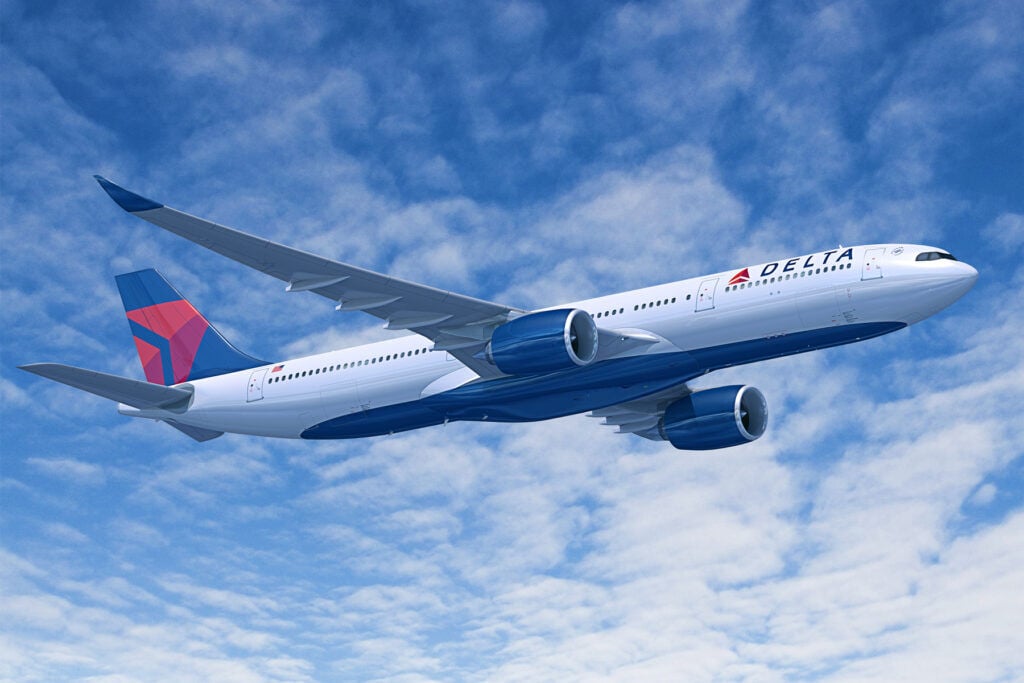
“Due to the impact on resources from the longstanding government shutdown, Delta will temporarily suspend specialty services to members of Congress flying Delta. Next to safety, Delta’s No. 1 priority is taking care of our people and customers, which has become increasingly difficult in the current environment,” a Delta spokesperson said.
The move places Delta’s internal service change alongside a wider strain on airport operations as the shutdown drags on. It also draws a line between concierge-style airline assistance and the government-run screening system that has come under pressure as Transportation Security Administration staffing worsens.
Across airports, the shutdown has furloughed some workers and left many TSA officers working without pay. Concern about staffing reliability and employee callouts intensified after TSA agents received $0 paychecks on March 13, 2026.
Houston’s George Bush Intercontinental Airport became one of the clearest examples of that disruption, with security waits stretching beyond four hours. The airport has also topped national lists for TSA callouts.
Those conditions form the backdrop to Delta’s decision. The airline framed the suspension not as an isolated customer-service adjustment but as a response to the same resource strain affecting the broader aviation system.
For members of Congress, the immediate effect is straightforward. Delta will no longer provide special airport handling because of their office and will instead treat them according to the same SkyMiles status hierarchy used for other customers.
That means a lawmaker with no qualifying status loses the special assistance that had previously come with being a member of Congress. A lawmaker with elite status in the loyalty program still receives the benefits attached to that tier, but no extra accommodation based on holding office.
Delta’s change remains temporary. The airline has not announced a date for restoring the suspended services.
Ed Bastian, Delta’s chief executive officer, tied the airline’s response directly to the shutdown’s effect on frontline security staffing. Speaking on CNBC’s Squawk Box on March 24, 2026, Bastian called it “inexcusable” and “ridiculous” that security agents are unpaid political pawns.
His remarks placed Delta among the carriers pressing Washington to end the funding lapse at the Department of Homeland Security. They also reflected growing concern inside the industry that the shutdown has become both an operations problem and a public safety issue.
Bastian joined nine other aviation CEOs in an open letter demanding pay for federal aviation workers during shutdowns. That industry appeal broadened the debate beyond passenger inconvenience, arguing that airport systems depend on workers who must show up even when the federal government is not paying them.
The pressure campaign from airline leaders has centered on a simple point: aviation cannot run normally when security officers are reporting to work without pay. Long lines, employee absences and weakened predictability at checkpoints all feed into airline schedules, airport operations and passenger confidence.
Delta’s policy change for lawmakers fits into that wider push. While the carrier cannot control TSA staffing, it can reallocate its own airport resources as shutdown-related disruption spreads across the travel system.
The distinction matters because a separate development in Washington concerns TSA screening rules, not airline-provided airport services. The U.S. Senate passed legislation backed by Senator John Cornyn that would prohibit preferential TSA screening for members of Congress and bar federal funds for expedited access based on office, requiring lawmakers to use standard security lines.
That bill and Delta’s action deal with similar political optics, but they are not the same policy. Delta’s suspension applies to airline-run specialty airport services, while the Senate measure addresses federal screening treatment at TSA checkpoints.
In practice, Delta has changed how its own staff handle lawmakers at the airport. The Senate bill addresses whether federal screening resources can give elected officials faster passage because of their position.
The overlap is the shutdown environment. As airport pressure grows and lawmakers debate treatment for members of Congress in the security process, Delta has moved on its own side of the airport experience by ending its special handling for those passengers for now.
That sequence also sharpens a broader message from the airline industry. Carriers have argued that ordinary travelers and frontline workers should not bear the burden of a prolonged political standoff while special access remains available to elected officials.
For travelers outside Congress, Delta’s public message has focused less on politics than on practical preparation. The airline advises customers to check local airport websites for TSA wait times and to allow extra time for screening.
That guidance reflects how uneven shutdown effects can be from one airport to another. Wait times can depend on local staffing levels, employee absences and the pace of screening operations on a given day.
Delta has linked that passenger advice to its continued call for a resolution in Washington. The airline is also backing efforts to secure guaranteed pay for frontline federal aviation workers through pay for federal aviation workers.
The company’s position puts its customer messaging and political advocacy on the same track. Passengers are being told to plan for delays now, while Delta and other airline leaders press lawmakers and the White House to end the shutdown conditions that are fueling the disruption.
For members of Congress, the loss of specialty airport services removes a layer of assistance that had separated them from the usual flow of passengers moving through terminals. For everyone else, the more immediate concern is the screening line itself.
That gap between airline service and federal screening has become more visible as the shutdown stretches on. Delta can suspend perks within its own operation, but it cannot shorten security lines caused by unpaid TSA staffing.
The tension has also exposed the different ways airlines and the government shape the travel experience. Airline employees handle check-in support, boarding help and other concierge-style airport services, while TSA controls the security process that all passengers must clear before reaching the gate.
With TSA officers receiving $0 paychecks and callouts drawing attention at large hubs, those two parts of the airport have become harder to separate in day-to-day operations. A delay at screening spills into check-in, gate timing and passenger service demands, which in turn puts more pressure on airline staff.
That is the strain Delta cited when it pulled back on congressional handling. Its statement made clear that the airline sees resource limits mounting in an environment where safety remains the first priority and service decisions have become harder.
The decision also carries a symbolic effect. During a partial U.S. government shutdown that has left federal security workers unpaid, taking away special airport treatment for lawmakers aligns Delta with a wider frustration in the aviation sector over how the impasse is playing out for frontline employees.
Still, Delta has not made the service suspension permanent. The airline has described it as a temporary measure, leaving open the possibility that congressional travelers could regain those airport services once the operational pressure eases.
Until then, lawmakers flying Delta will move through the carrier’s system based on SkyMiles status rather than office, and travelers across the country face a more immediate calculation: how much extra time to allow at the airport while the shutdown continues.
That uncertainty now sits over both ends of the terminal experience, from the special handling that Delta has withdrawn for Congress to the security checkpoints where ordinary passengers and unpaid officers remain caught in the same standoff.