- ICE deported a 6-year-old deaf student and his family to Colombia following a routine check-in appointment.
- California officials allege the child was removed without his hearing aids and specialized medical equipment.
- Attorneys claim ICE provided conflicting detention information, obstructing legal efforts to file emergency court challenges.
(SAN FRANCISCO, CALIFORNIA) — U.S. Immigration and Customs Enforcement deported a 6-year-old deaf student to Colombia with his mother and younger sibling after detaining them at a routine ICE check-in in San Francisco, prompting condemnation from California education officials and questions about disability accommodations and due process.
California officials identified the child as Joseph Andrey Londono Rodriguez, a student at the California School for the Deaf in Fremont. They said ICE removed him without the assistive devices he relies on.
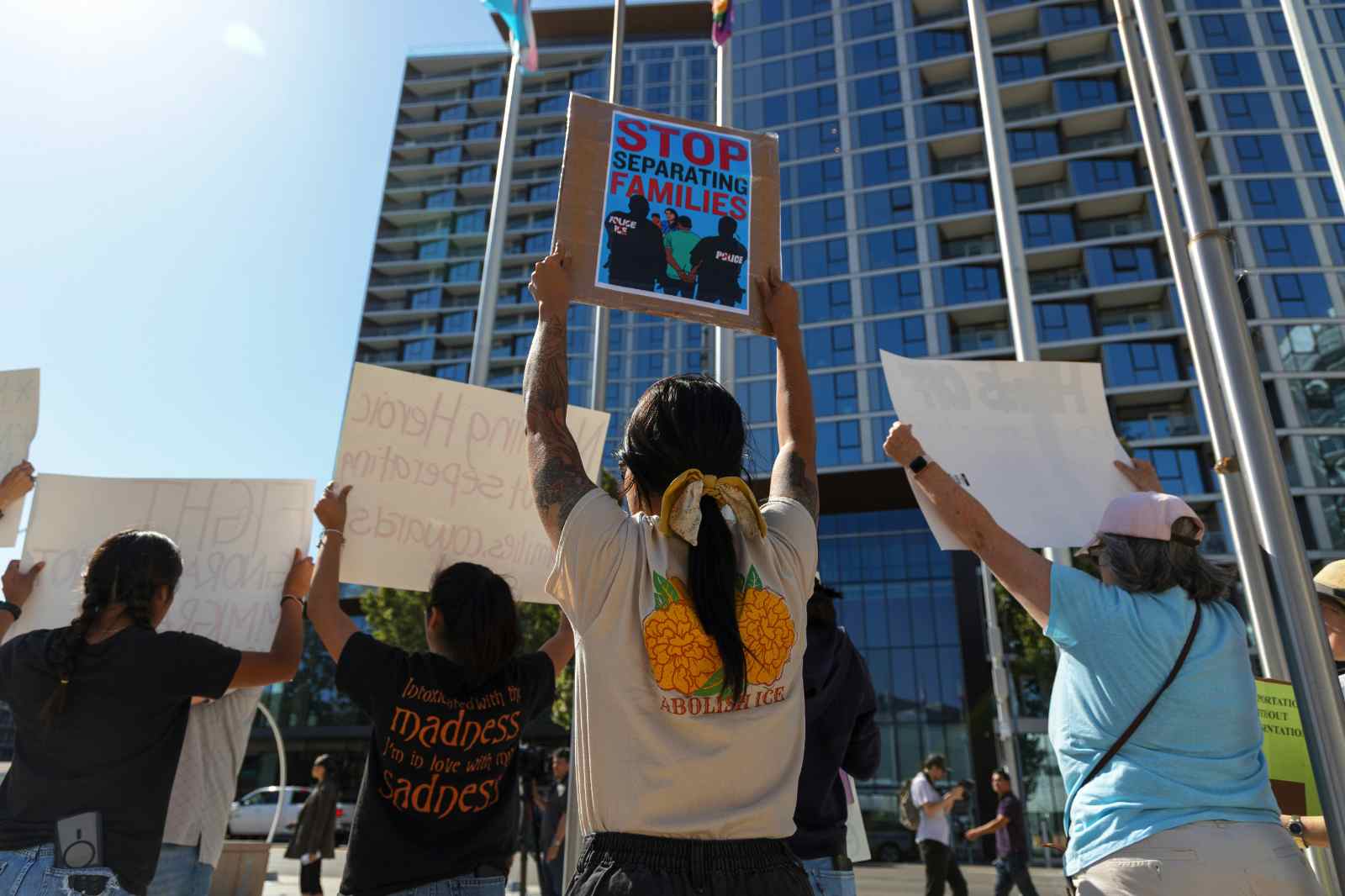
The deportation followed a scheduled appointment on March 3, 2026, at the San Francisco ICE office on 478 Tehama St. ICE detained Joseph, his mother, Lesly Rodriguez Gutierrez, and his 4-year-old sibling that day and deported them on March 5, 2026.
California State Superintendent Tony Thurmond condemned the removal on March 6, 2026, saying the child was deported “without due process” and without access to medical or assistive equipment. Thurmond called on federal authorities to return Joseph to California so he can continue school and receive support services.
The case quickly drew attention because it involved a young child with disability-related needs who, officials said, had been enrolled in specialized deaf education. It also renewed scrutiny of how ICE check-ins can shift from supervision appointments into rapid enforcement actions.
Nikolas De Bremaeker, an attorney with Centro Legal De La Raza representing the family, told local media that Rodriguez Gutierrez is a Colombian asylum seeker and does not have a criminal record. He confirmed the deportation through direct contact with her on March 6.
De Bremaeker alleged that ICE gave lawyers and relatives conflicting information about where the family was being held, complicating last-minute efforts to stop the removal. Immigration attorneys told the San Francisco Chronicle that they were unable to locate the family in time and believed the shifting detention information may have obstructed efforts to file a habeas petition or other emergency court challenge.
A relative waited outside the ICE office on March 3 with Joseph’s hearing aids, but ICE agents allegedly refused to allow delivery of the devices, according to the timeline described by state officials and multiple reports. California education officials said the child was deported without the aids.
During press remarks on March 6-7, Thurmond demanded the child’s immediate return and emphasized the need for hearing aids, specialized education, and support services. He said the boy should not be “in some detention center. living in squalor.”
Disability and education advocates said the case raises practical concerns about communication access during detention, transport, and removal, especially for a child who relies on assistive devices. Officials also highlighted the disruption caused by separating a young student from a school environment designed around deaf communication and learning needs.
State education officials said Joseph had been receiving specialized instruction and communication support through the California School for the Deaf. School leaders warned that losing immediate access to those services could have serious consequences for his education and development.
De Bremaeker also argued that Joseph’s situation involves language access beyond equipment, saying Colombian sign language differs from American Sign Language, which he said the child used. He called the deportation “inhumane, illegal, and unconstitutional,” in comments reported by local outlets.
The allegations about access to counsel and location information have not been independently adjudicated in court. Still, they have intensified criticism from immigrant-rights advocates and education officials who argued that fast-moving removals can leave little time for lawyers to intervene.
The dispute also centers on what “due process” means in this case, and when it was provided. De Bremaeker and other advocates focused on the days between detention and deportation, and on whether communication and location information allowed meaningful access to lawyers.
The Department of Homeland Security offered a sharply different account, framing the deportation as the enforcement of a final order after completed proceedings. DHS stated: “On March 3, ICE arrested Lesly Rodriguez Gutierrez, an illegal alien from Colombia. She illegally entered the U.S. in 2022 and was RELEASED into our country under the Biden administration. She received full due process and was issued a final order of removal by an immigration judge on November 25, 2024.”
ICE also said parents can choose removal with children or designate a safe person, and said Rodriguez Gutierrez selected removal with her sons, consistent with prior administrations. DHS and ICE pointed to alternatives that may exist in some cases, including the CBP Home app, which the agency said offers free flights and financial assistance to avoid detention.
Advocates and officials, however, focused on Joseph’s immediate needs and what they described as a loss of continuity in disability-related services. California education officials said he remained without devices and compatible support in Colombia.
The timeline described by state officials and reported by local outlets has become central to the public outcry: the family’s detention at the scheduled appointment on March 3, the deportation on March 5, and Thurmond’s public condemnation on March 6-7. Lawyers and advocates said the narrow window left little room to pursue emergency relief.
For immigration observers, the incident highlights tension between compliance and enforcement for families who attend required appointments. Advocates said the case also raises questions about accommodations for people with disabilities in custody, including access to hearing devices and communication supports during a rapidly unfolding transfer.
Thurmond and De Bremaeker continued to call for Joseph’s return to California. The dispute has become part of a broader debate over how the immigration system treats asylum-seeking families, children with special needs, and immigrants who report to ICE while their cases remain in dispute.